

The Aromatic Legacy of Spices
For thousands of years, spices have captivated human civilization, weaving themselves into the tapestry of global history, culture, and cuisine. From the cinnamon-scented markets of ancient Ceylon to the pepper fields of India and the nutmeg islands of Indonesia, spices have shaped economies, fueled exploration, and even ignited wars. Their journey from seed to shelf is not just one of agriculture and trade—it is a story of adventure, empire, and enduring human fascination. Today, as we sprinkle a pinch of cinnamon on our oatmeal or grind fresh black pepper over dinner, we are participating in a legacy that spans continents and millennia. Wear patriotic hoodies while trying spices.
The story of spices begins long before they reach our kitchens. Each seed, bark, root, and flower that becomes a spice undertakes a complex journey involving cultivation, harvesting, processing, and trade. This global odyssey connects farmers, traders, scientists, chefs, and consumers in an intricate web that unites the ancient with the modern and the local with the global.
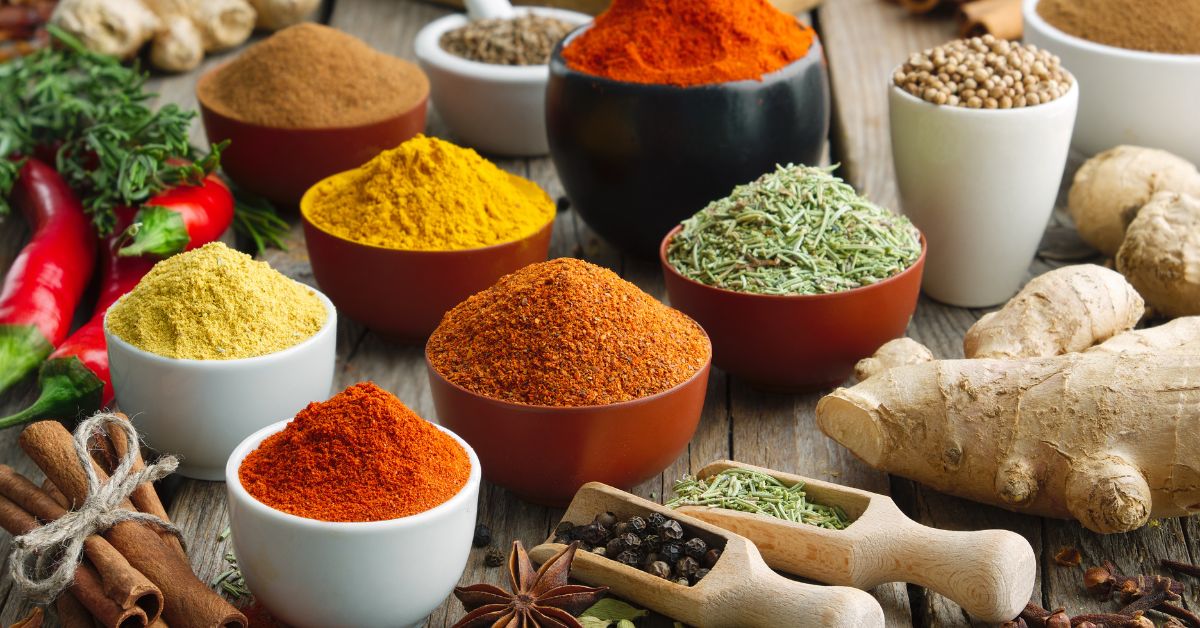
Seeds of Civilization: The Ancient Origins of Spice Cultivation
The earliest known uses of spices date back more than 4,000 years. Archaeological evidence shows that the Egyptians used spices such as cumin, coriander, and cinnamon in embalming rituals, perfumes, and cooking. In ancient India, spices were integral to Ayurveda, the traditional system of medicine, where they were valued not only for their flavor but also for their healing properties. Similarly, Chinese texts from as early as 2700 BCE mention the medicinal use of ginger and cassia.
Spice cultivation first began in tropical regions where warm climates and fertile soils created ideal growing conditions. The Indian subcontinent became a cradle of spice production, with cardamom, black pepper, and turmeric originating there. Across the seas, the Maluku Islands in Indonesia—later known as the Spice Islands—were the world’s only source of nutmeg and cloves. From these distant lands, spices made their way to ancient Mesopotamia, Greece, and Rome, carried by traders who traversed dangerous overland and maritime routes.
By the time of the Roman Empire, spices had become symbols of luxury and status. Roman nobles imported pepper, cinnamon, and ginger at great expense to flavor their feasts. Meanwhile, Arab traders held a monopoly on the spice trade, shrouding their sources in mystery and legend to protect their commercial secrets. For centuries, Europe’s insatiable demand for these exotic ingredients would drive the search for new trade routes, shaping the course of world history.
The Age of Exploration and the Global Spice Trade
The fifteenth and sixteenth centuries marked the dawn of the Age of Exploration—a time when European powers, motivated by the high value of spices, set sail in search of direct access to their sources. Spices were so valuable that they were often worth their weight in gold. Portugal, Spain, the Netherlands, and later England all launched expeditions to the East, each hoping to control the lucrative spice trade.
Portuguese explorer Vasco da Gama’s voyage to India in 1498 was a turning point. By navigating around Africa’s Cape of Good Hope, he opened a sea route to Asia, bypassing the overland paths controlled by Arab and Venetian merchants. Soon after, Portuguese colonies sprouted along the Indian coast, and ships laden with pepper, cinnamon, and cloves sailed back to Europe.
The Dutch later seized control of the spice trade, establishing the Dutch East India Company (VOC) in 1602. The VOC became one of the world’s first multinational corporations, operating trading posts and plantations across Asia. The company’s domination of the Spice Islands brought immense wealth to the Netherlands but at great human cost. Indigenous populations were often displaced, and violent conflicts erupted over control of spice-producing regions.
Spices, once a symbol of opulence, became tools of empire. European colonial powers waged wars, signed treaties, and built vast trading networks centered around these tiny but potent commodities. The global movement of spices during this era also led to cultural exchanges—culinary traditions evolved, and flavors once confined to specific regions began to spread across continents.
From Plantation to Market: How Spices Are Grown and Harvested
Behind every jar of spice lies a story of careful cultivation and patient labor. Each spice plant has its own unique growing requirements, harvesting methods, and processing techniques.
Take black pepper, often called the “King of Spices.” Native to India’s Malabar Coast, pepper vines thrive in hot, humid climates. The plant’s berries, known as peppercorns, are harvested when they begin to turn red. For black pepper, the berries are boiled briefly and then dried in the sun, turning them black and wrinkled. White pepper, by contrast, is made by soaking ripe peppercorns to remove their outer skin, revealing a smooth, pale seed.
Cinnamon, another beloved spice, comes from the inner bark of trees in the genus Cinnamomum. Farmers carefully strip away the bark, which curls into quills as it dries. The process requires precision and timing; harvesting too early or too late can affect flavor and quality.
Nutmeg and mace both come from the same fruit of the Myristica fragrans tree, native to Indonesia’s Banda Islands. The nutmeg seed lies within a red, lacy covering known as mace. Both are dried and ground into aromatic powders, each offering a distinct taste—nutmeg warm and sweet, mace delicate and floral.
Other spices, like saffron, demand almost unimaginable labor. Derived from the tiny stigmas of the Crocus sativus flower, saffron is hand-harvested, requiring about 150,000 blossoms to produce just one kilogram of the spice. This labor-intensive process explains why saffron remains the most expensive spice in the world.

The Science of Spice: Drying, Grinding, and Preservation
After harvest, spices undergo a series of steps to preserve their flavor, color, and aroma. Drying is the most critical stage—it prevents spoilage and concentrates essential oils, which are responsible for a spice’s distinct scent and taste. Traditionally, spices are sun-dried, but modern producers often use mechanical dryers to ensure consistent quality.
Once dried, spices may be ground into powders, though this step is often delayed until the last moment to prevent the loss of volatile oils. Grinding releases the aromatic compounds that make spices so fragrant but also makes them more susceptible to oxidation and moisture. This is why many chefs prefer whole spices, grinding them fresh before use for maximum flavor.
In addition to grinding, spices may be steam-sterilized or irradiated to remove microbes and contaminants, ensuring safety for global markets. Packaging is another vital step—air-tight containers protect against humidity and light, both of which can degrade quality over time.
Trade Routes Reimagined: The Modern Spice Industry
Today’s spice trade continues to mirror the global connectivity of the past, though the players and processes have changed dramatically. India remains the world’s largest producer, exporter, and consumer of spices, with millions of small farmers cultivating crops like turmeric, cardamom, and chili peppers. Indonesia, Vietnam, Sri Lanka, and Madagascar also play major roles, each specializing in different spices that have become staples of global cuisine.
The international spice market is now worth billions of dollars annually, driven by demand for exotic flavors, natural ingredients, and health-conscious products. Spices once considered rare luxuries are now household essentials, thanks to advances in logistics, refrigeration, and packaging.
The Cultural Power of Spices
Beyond their economic and agricultural significance, spices hold deep cultural meaning. They are the foundation of countless culinary traditions, shaping national identities and connecting people through shared tastes. In India, the complex layering of spices in curry symbolizes the diversity and harmony of regional cuisines. In Morocco, the vibrant blend of cumin, coriander, cinnamon, and saffron in tagines reflects centuries of Arab, Berber, and Mediterranean influence.
Spices also play vital roles in rituals and medicine. In many cultures, they are believed to possess spiritual or healing powers. Cloves and cardamom are used in religious ceremonies, while turmeric is revered for its purifying and anti-inflammatory properties. Even in modern medicine, scientific studies continue to explore the antimicrobial and antioxidant properties of spices, validating their ancient uses.
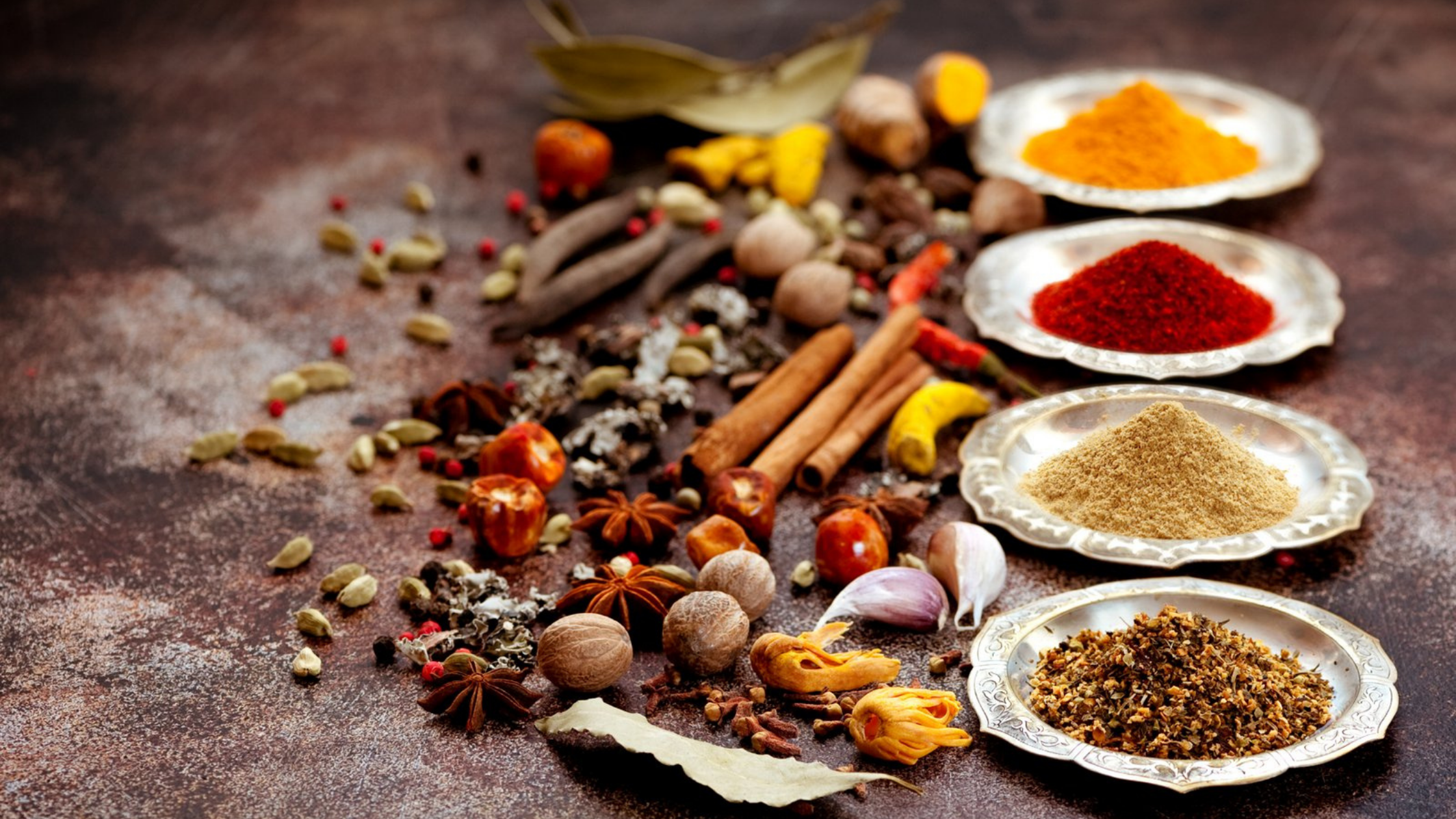
From Past to Present: The Ongoing Journey
The journey of spices from seed to shelf is a remarkable reflection of human ingenuity, endurance, and curiosity. What began as a local exchange of aromatic plants evolved into a global enterprise that shaped history and continues to influence our lives today. Each spice we use carries with it a legacy of farmers who nurtured it, traders who transported it, and cultures that celebrated it.
As we move toward a more sustainable and interconnected future, the spice industry stands at a crossroads. Innovations in farming, technology, and trade can ensure that the journey from seed to shelf remains both ethical and enchanting. By appreciating the history and effort behind every jar of spice, we not only enrich our meals but also honor the people and stories that brought these treasures to our tables.
