
The Movement of People, the Movement of Taste
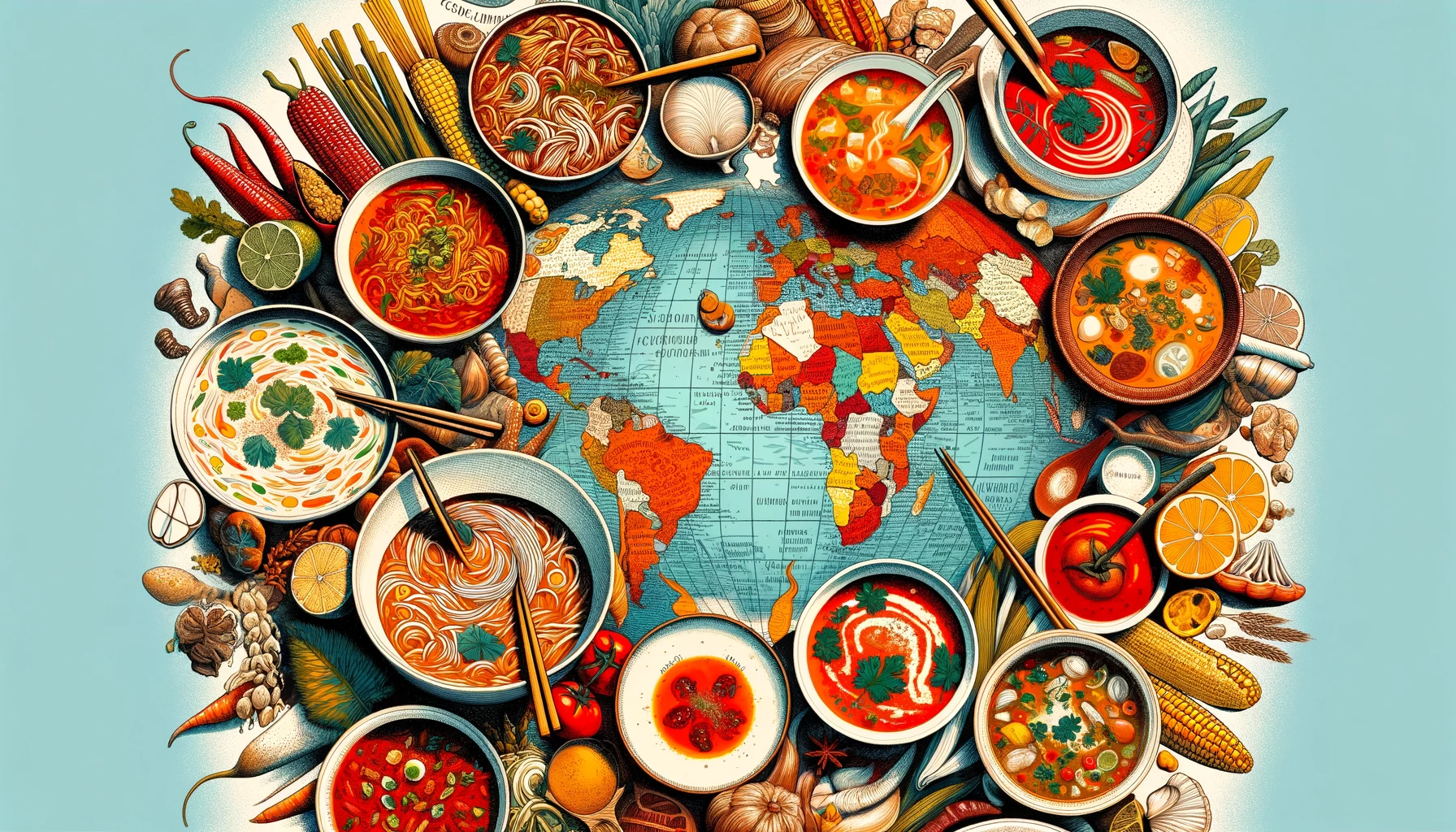
Human history is a story of movement. People have always traveled—by land, sea, and air—carrying with them not just belongings, beliefs, and traditions, but also their recipes and ways of eating. From the first spice traders sailing across the Indian Ocean to modern migrants bringing their cuisine to new continents, food has been one of the most enduring cultural messengers. Migration has not only diversified what we eat but also how we think about food itself, transforming dining tables into spaces of encounter, adaptation, and creativity.
In today’s globalized world, it’s difficult to imagine national cuisines as pure or untouched by outside influence. Every dish tells a story of contact—of travelers who arrived, settlers who stayed, and communities that mixed. In the kitchen, cultural boundaries blur, giving birth to something both familiar and new. This is the story of culinary fusion born from human migration: how the world’s flavors intertwined to create a shared global palate.
Ancient Exchanges: The First Recipes of Fusion
Long before airplanes and shipping containers, trade routes shaped the ancient culinary world. The Silk Road, stretching from China to the Mediterranean, was not just a commercial artery but a bridge of tastes. Chinese noodles found their way westward, eventually inspiring Italy’s beloved pasta. Meanwhile, Middle Eastern spices, such as cinnamon and clove, traveled toward Europe, altering medieval cuisine forever.
The movement of crops also reshaped entire continents. When Arab traders brought rice and sugar to Spain, they set the stage for the Iberian Peninsula’s vibrant desserts and paellas. In Africa, the arrival of Asian bananas and Southeast Asian yams transformed local diets. The Columbian Exchange—the vast transfer of food between the Old and New Worlds following Columbus’s voyages—was perhaps the greatest culinary migration in history. Tomatoes, chilies, and potatoes, native to the Americas, revolutionized cuisines in Europe, Asia, and Africa. Imagine Italian food without the tomato, Indian curries without chili, or Irish cooking without the potato—unthinkable.
These exchanges were not deliberate culinary experiments but survival and adaptation. Wherever people settled, they merged what they knew with what they found, crafting new flavors from necessity and curiosity.

Colonialism and the Forced Fusion of Worlds
The era of colonial expansion and the transatlantic slave trade created another, darker form of culinary blending. The forced movement of millions of Africans to the Americas brought not only people but deep-rooted food traditions—cassava, okra, and black-eyed peas among them. These ingredients and cooking techniques, combined with European and Indigenous influences, birthed Creole, Cajun, and Afro-Caribbean cuisines. Gumbo in Louisiana, feijoada in Brazil, and jerk chicken in Jamaica are all children of that fusion, bearing the imprints of displacement and resilience.
Colonialism also meant that European powers introduced their own staples to distant lands. The British brought tea to India, only to later become one of the world’s most enthusiastic consumers of Indian-style chai. The French left behind pâtisserie and bread-making techniques that merged with local tastes in Vietnam, resulting in the banh mi—a baguette stuffed with pickled vegetables, cilantro, and meats seasoned with fish sauce.
Culinary fusion under colonialism was often unbalanced and exploitative, yet it produced some of the most enduring global dishes, demonstrating how food can transform even under conditions of inequality
Migration in the Modern Era: The New Culinary Map
The twentieth and twenty-first centuries saw migration reach unprecedented levels, driven by war, economic opportunity, education, and global mobility. As people moved, they created diasporic communities that became culinary ambassadors in their new homelands. From Chinatown to Little Italy, from Turkish kebab shops in Berlin to Ethiopian coffee houses in Washington D.C., migration reshaped the urban landscape through food.
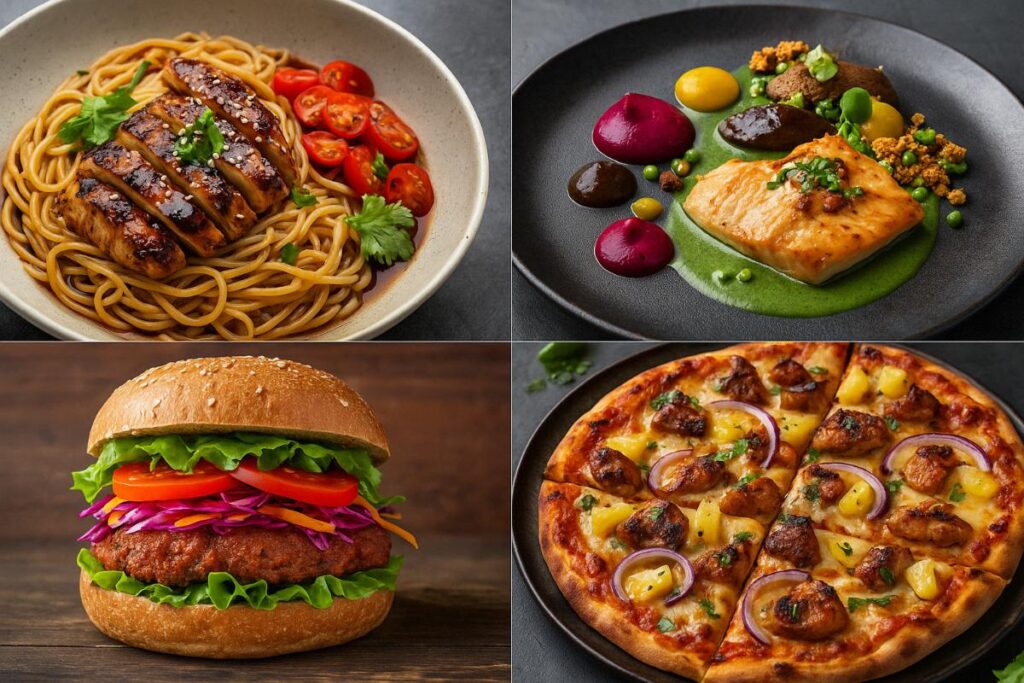
The global kitchen now thrives on cross-cultural innovation. Sushi burritos in Los Angeles, Korean tacos in New York, and Indian pizza in London are not mere novelties—they are symbols of a culinary world without borders. They represent a generation comfortable with mixing traditions, blurring the lines between authenticity and creativity.
Restaurants are no longer tied to one national identity. Chefs of mixed heritage or global experience, such as Nobu Matsuhisa or Yotam Ottolenghi, champion dishes that tell stories of hybridity. Their cooking reflects personal journeys as much as cultural history, using ingredients from multiple continents to create something entirely their own.
Migration has also reshaped the way we think about “home cooking.” Immigrant families often adjust traditional recipes to fit available ingredients or local tastes, creating hybrid dishes that bridge old and new identities. A Filipino family in Canada might use maple syrup in adobo; a Syrian family in Sweden might replace pomegranate molasses with lingonberry jam. These small acts of adaptation form the living memory of migration, where food keeps heritage alive while embracing transformation.
Street Food: The Democratic Face of Fusion
Perhaps nowhere is culinary fusion more visible than on the streets. Street food is the cuisine of the people, born of necessity and creativity. It’s where immigrants, locals, and travelers meet at eye level, exchanging flavors as they exchange stories.
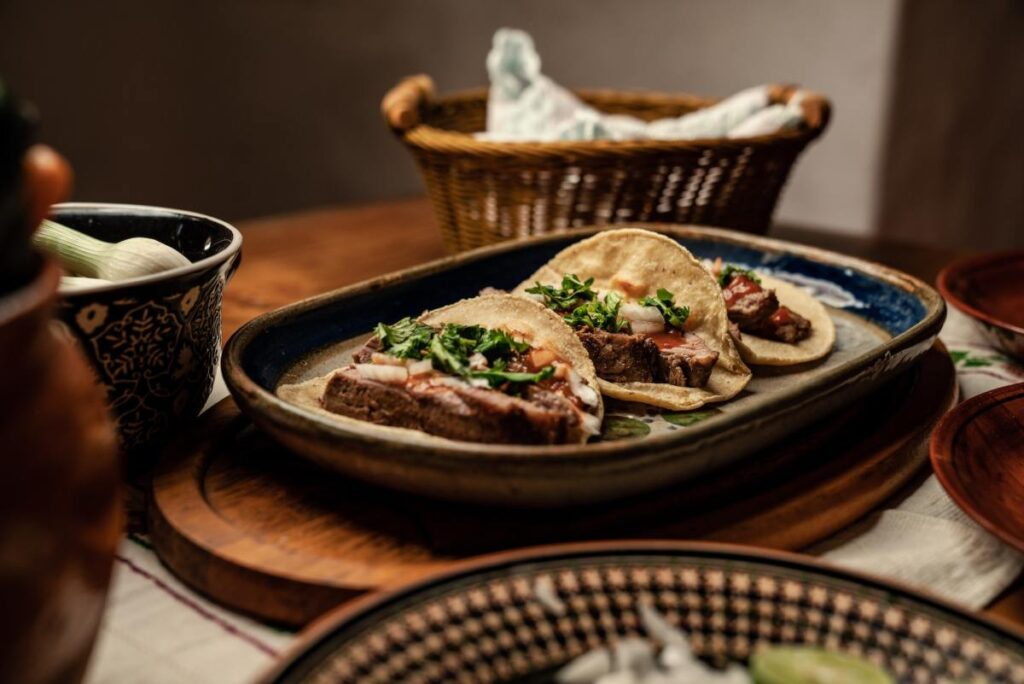
In Mexico City, Lebanese migrants in the early 20th century introduced vertical rotisseries, which eventually gave rise to tacos al pastor—a dish that fuses Middle Eastern shawarma techniques with Mexican chilies and tortillas. In Singapore, Indian, Chinese, and Malay influences converge in hawker stalls, producing dishes like laksa and rojak that defy categorization. In Istanbul, one can taste the Ottoman Empire’s long history of migration and trade in every bite of a doner kebab or börek.
Street food thrives on flexibility. It evolves rapidly, absorbing influences from whoever passes through. This adaptability makes it a perfect metaphor for the migrant experience—resourceful, open, and endlessly inventive.
Culinary Identity in a Globalized World
As global migration increases, so does the conversation about culinary identity. What does it mean for a dish to be “authentic” in a world where ingredients cross oceans daily? Some argue that fusion dilutes cultural heritage, reducing centuries-old cuisines to trendy combinations. Others see fusion as an inevitable, even beautiful, outcome of human interconnectedness.
Authenticity, in this light, becomes less about preservation and more about narrative—about who makes the food and why. A Korean-Mexican taco is authentic to Los Angeles just as much as kimchi is authentic to Seoul. Authenticity evolves when communities do.
The rise of social media has further democratized global food exchange. Chefs, home cooks, and influencers share recipes and techniques instantly, allowing anyone to experiment with flavors from distant cultures. This virtual migration of food knowledge mirrors physical migration, creating a digital landscape of fusion.
Migration, Memory, and the Taste of Home
For many migrants, food is the most tangible link to the homeland. A single dish can hold a lifetime of memories—grandmother’s spices, the smell of the local market, the texture of bread baked at dawn. Cooking becomes a form of remembrance, an act of resistance against forgetting.
Yet as generations pass, these recipes evolve. Children of immigrants often reinterpret their parents’ dishes, merging nostalgia with local ingredients. The result is neither purely traditional nor entirely new—a culinary reflection of hybrid identity. Vietnamese-American chef Tu David Phu once described this process as “carrying flavor across generations.” It is how the children of migration create belonging in multiple worlds at once.
Restaurants, too, often serve as cultural sanctuaries. Ethiopian eateries in Paris, Syrian bakeries in Toronto, or Indian dhabas in Nairobi become more than dining spots—they are spaces of connection for diasporic communities. The shared act of eating preserves culture in motion, making migration not just a journey of bodies but of tastes and stories.
The Future of Culinary Fusion
The next chapter of fusion is being written right now—in urban kitchens, immigrant neighborhoods, and experimental restaurants worldwide. Climate change, sustainability, and shifting demographics will continue to influence what fusion means in the future. As certain ingredients become scarce or new ones emerge, traditional recipes will adapt, and new global collaborations will form.
Technology will also play a role. Artificial intelligence, food science, and 3D printing are beginning to influence how we cook and combine ingredients. Yet even in this futuristic landscape, the human element—curiosity, migration, creativity—remains central. Fusion will continue not because it is trendy, but because people will always move, meet, and share.
A World Cooked Together
Migration is not just the movement of people—it is the movement of taste, technique, and tradition. Every bowl of pho, every curry, every pizza slice tells a story of travel, exchange, and adaptation. Our modern menus are living maps of migration, tracing centuries of human curiosity and resilience.
In an age where borders often divide, the kitchen reminds us of what unites. Food dissolves language barriers and invites empathy through the senses. To share a meal is to acknowledge another’s humanity—to taste their history, their hardship, and their hope.
