The Evolution of Technique in Contemporary Cuisine
Modern fine dining is no longer defined solely by luxury ingredients or elaborate presentation. Instead, it is increasingly shaped by technique—by the ways chefs manipulate heat, cold, time, and texture to create experiences that challenge expectations. Over the past few decades, the professional kitchen has transformed into a hybrid space where craft meets science, tradition meets innovation, and intuition coexists with meticulous measurement. Fire, ice, and precision have become the symbolic pillars of this transformation, each representing a different approach to control and creativity in the culinary arts.
While classical French cuisine emphasized mastery of sauces and hierarchical kitchen structures, today’s fine dining chefs operate in a more experimental landscape. They borrow from physics, chemistry, and global food traditions, pushing the boundaries of what cooking can be. The result is not a rejection of tradition, but an expansion of it—one where ancient techniques like open-fire cooking stand alongside ultra-modern methods such as cryogenic freezing and sous vide.
Fire Reimagined: From Primitive Heat to Controlled Intensity
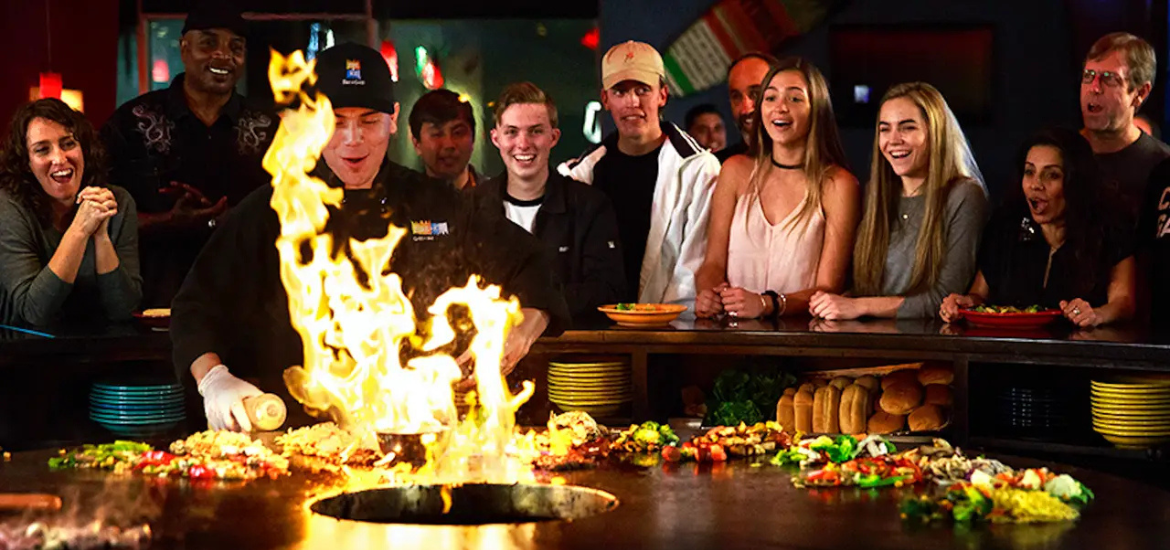
Fire is the oldest cooking tool known to humanity, yet it remains one of the most relevant in modern fine dining. What has changed is the level of control and intention behind its use. Contemporary chefs have rediscovered live-fire cooking not as a rustic novelty, but as a sophisticated technique capable of delivering depth, aroma, and emotional resonance.
Wood-fired grills, charcoal ovens, and open hearths are now common in Michelin-starred kitchens. Chefs carefully select wood types—oak, cherry, apple—to influence flavor, understanding that fire is not just heat but an ingredient in itself. The unpredictability of flames, once considered a limitation, is embraced as a creative variable. Subtle charring, smoke infusion, and caramelization bring complexity that cannot be replicated with electric equipment.
At the same time, fire in modern kitchens is often paired with advanced monitoring tools. Infrared thermometers, precise airflow control, and custom-built grills allow chefs to harness fire with surgical accuracy. This balance between primal energy and modern restraint reflects a broader trend in fine dining: honoring the elemental while refining its execution.

Ice and Cold: The Power of Temperature Extremes
If fire represents intensity and transformation, ice symbolizes restraint, preservation, and contrast. Cold techniques have become central to modern fine dining, not only for storage but as active cooking methods that shape texture and perception. Freezing is no longer a passive state; it is a deliberate tool used to manipulate structure and flavor.
Liquid nitrogen, perhaps the most iconic cold technique, allows chefs to freeze ingredients instantly, creating dramatic visual effects and unique textures. Fruits shatter into crystalline fragments, herbs retain vibrant color, and creams turn into powdery snow. Beyond spectacle, these techniques preserve volatile aromas that would otherwise be lost to heat.
Cold also plays a crucial role in fermentation and curing, processes that rely on controlled temperatures over time. Modern chefs use precise refrigeration systems to age fish, dry meats, and ferment vegetables with consistency and safety. These methods deepen umami, enhance complexity, and introduce subtle acidity that balances richer elements on the plate.
In tasting menus, temperature contrast has become a storytelling device. A warm, smoky protein paired with an ice-cold sauce or frozen garnish heightens sensory awareness, forcing diners to engage more fully with each bite. Ice, in this context, is not the absence of heat but an active presence that sharpens experience.
Precision Cooking and the Rise of Sous Vide
Precision is perhaps the defining characteristic of contemporary fine dining, and no technique embodies it more clearly than sous vide cooking. By sealing ingredients in vacuum bags and cooking them in temperature-controlled water baths, chefs achieve an unprecedented level of consistency. Proteins reach exact doneness from edge to center, textures remain tender, and flavors are preserved with minimal loss.
Sous vide represents a philosophical shift in cooking. Rather than relying on visual cues or intuition alone, chefs work with exact temperatures and times, often down to fractions of a degree. This does not eliminate creativity; instead, it provides a stable foundation upon which creativity can flourish. Once the ideal texture is guaranteed, chefs can focus on finishing techniques, sauces, and presentation.
Beyond sous vide, precision cooking includes the use of combi ovens, induction burners with digital control, and laboratory-grade scales. These tools allow chefs to repeat results reliably, a necessity in high-end restaurants where consistency is as important as innovation. Precision ensures that the dish imagined by the chef is the dish received by every guest, regardless of service volume or staff changes.
The Science of Texture and Mouthfeel
Modern fine dining places extraordinary emphasis on texture, recognizing it as equal in importance to flavor. Techniques derived from molecular gastronomy have given chefs new ways to manipulate mouthfeel, creating experiences that surprise and delight. Gels, foams, emulsions, and spheres transform familiar ingredients into unexpected forms.
These methods rely on a deep understanding of ingredients at a molecular level. Hydrocolloids such as agar, xanthan gum, and lecithin are used not as gimmicks, but as precise tools to control viscosity and stability. A sauce might appear airy yet deliver intense flavor, or a liquid center might burst inside a delicate обол.
Texture contrasts are carefully orchestrated within a single dish. Crunchy elements offset creamy bases, while silky purées support firm proteins. This attention to tactile detail reflects a broader sensory philosophy in fine dining, where eating is viewed as a multisensory experience rather than a purely gustatory one.
Time as an Ingredient: Aging, Fermentation, and Slow Transformation
While fire and ice represent extremes, time is the quiet force that underpins many modern techniques. Aging and fermentation have reemerged as hallmarks of high-end cuisine, allowing chefs to develop depth without adding complexity on the plate. These processes require patience, planning, and trust in controlled environments.
Dry-aging meat intensifies flavor and improves tenderness, while fish aging challenges traditional notions of freshness. Fermentation transforms simple ingredients into complex components, introducing acidity, funk, and umami that elevate dishes subtly. In modern kitchens, these ancient practices are guided by precise humidity, temperature, and microbial control.
Time-driven techniques reflect a philosophical maturity in fine dining. They resist the immediacy of modern culture, emphasizing anticipation and restraint. When paired with high-precision cooking, the results are dishes that feel both deeply rooted and strikingly contemporary.
Plating as Technical Expression
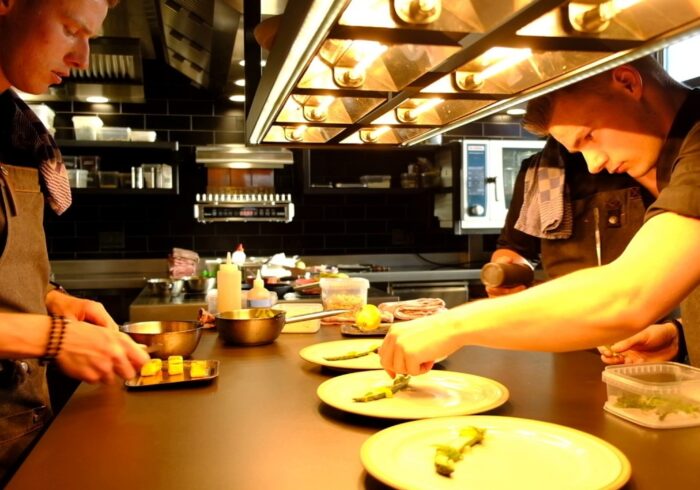
In modern fine dining, technique does not end with cooking; it extends to presentation. Plating has evolved into a technical discipline where balance, negative space, and structure are carefully considered. Chefs use specialized tools—offset spatulas, squeeze bottles, tweezers—to place each element with intention.
The goal is not excess decoration but clarity. Each component on the plate serves a purpose, both visually and gastronomically. Techniques such as painting sauces, stacking elements vertically, or isolating components reflect the same precision seen in the kitchen’s cooking methods. The plate becomes a canvas where fire, ice, and time converge into a coherent narrative.

The Future of Technique in Fine Dining
As technology continues to advance, the techniques defining fine dining will evolve further. Artificial intelligence, data-driven recipe development, and sustainable innovation are already influencing how chefs approach their craft. Yet the core principles remain unchanged: control, curiosity, and respect for ingredients.
Fire will continue to connect cuisine to its primal origins, ice will challenge perceptions of temperature and texture, and precision will ensure consistency in an increasingly complex culinary world. Modern fine dining is not about choosing between tradition and innovation, but about weaving them together through technique.
Ultimately, these cooking methods are tools for expression. They allow chefs to tell stories, evoke emotions, and create moments of surprise and comfort simultaneously. In the hands of skilled practitioners, fire, ice, and precision become more than techniques—they become the language of contemporary gastronomy.