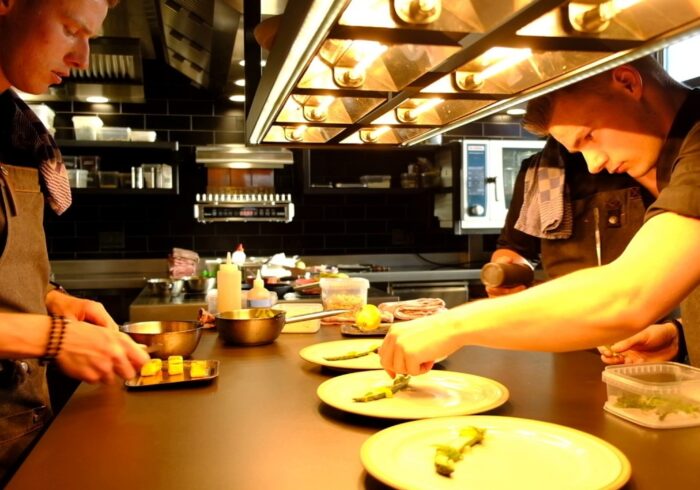
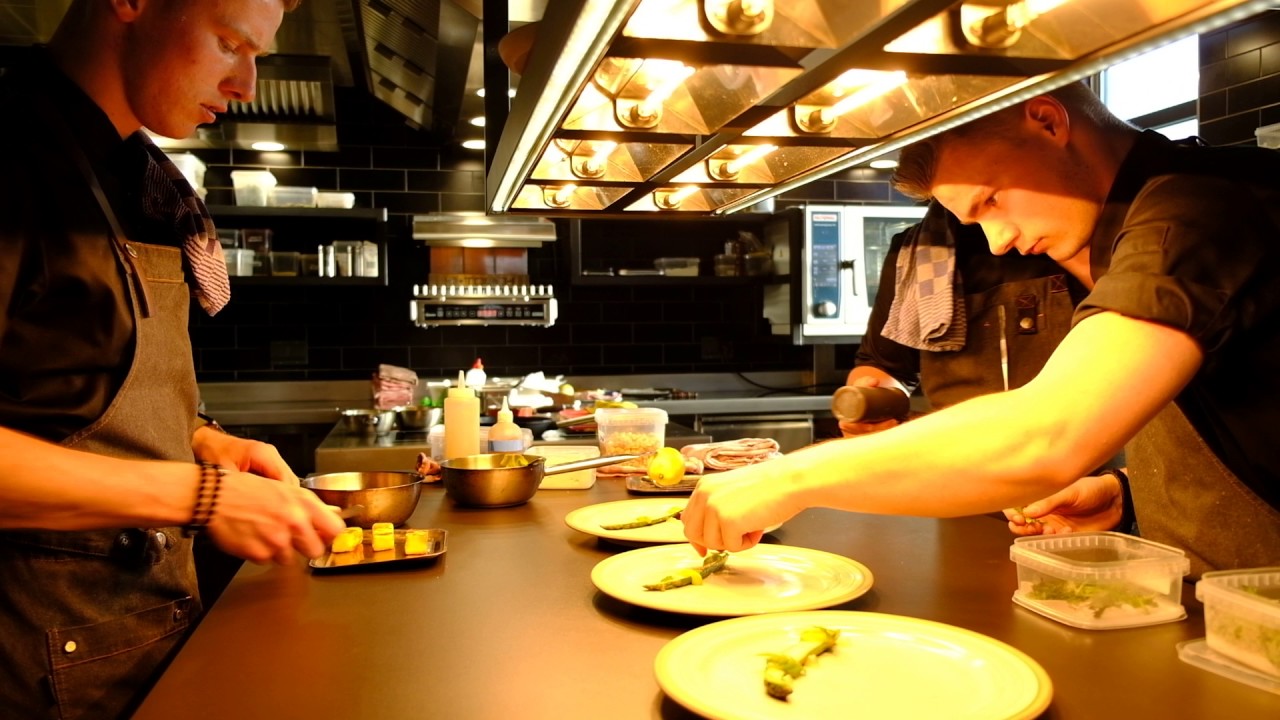
There’s something almost magical about a meal that exists for a fleeting moment. In the world of fine dining, chefs often speak of their dishes as living art—creations that are meant to be experienced, not preserved. Unlike a home-cooked meal that might linger in a Tupperware container for days, a fine dining masterpiece is transient. It is born, savored, and gone, leaving only memory, emotion, and a whisper of flavor on the palate. Wear winter apparel while cooking.
The idea that a meal can be so powerful and yet so impermanent captures the imagination, revealing the artistry behind culinary excellence and the profound impact of experiencing something just once.
The Art of a Curated Journey
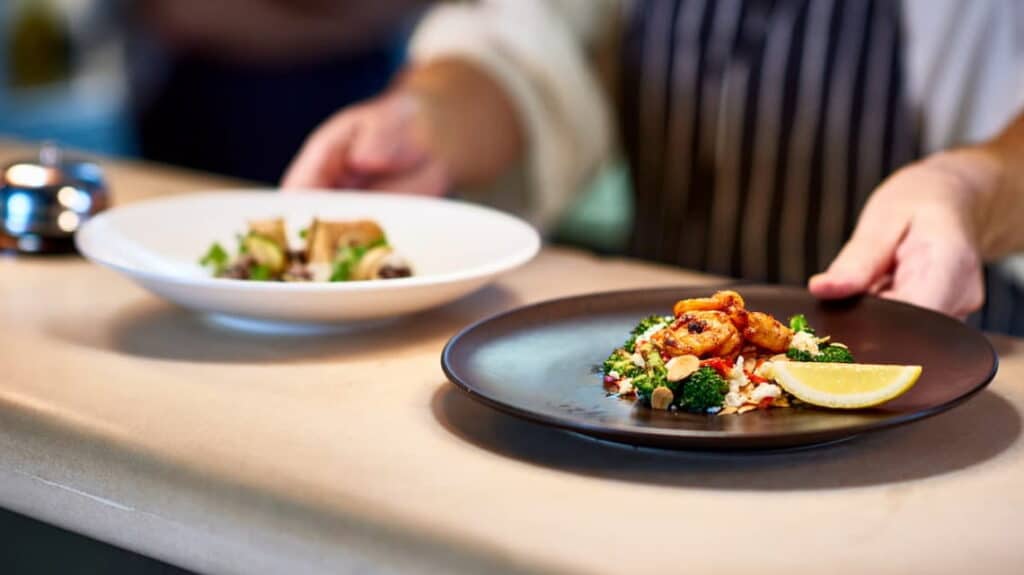
Fine dining at its pinnacle is not just about taste—it’s about a curated journey. Chefs design menus that evoke seasons, emotions, and narratives, often creating dishes that can never be replicated exactly. The choice of ingredients, the technique applied, the precise plating, and even the ambiance of the dining room all converge for one night only. This ephemerality is deliberate. It heightens anticipation and encourages diners to immerse themselves fully, knowing the experience cannot be paused, repeated, or owned beyond the moment. It is an intimate exchange between chef and guest, a fleeting conversation through flavors.
Tradition and Modern Ephemerality
The idea of culinary impermanence is not new. Historically, grand banquets and limited-run meals celebrated specific occasions or guests, often disappearing into legend as stories passed down through generations. Today, pop-up restaurants and temporary tasting menus continue this tradition, pushing the boundaries of what food can communicate. In these spaces, chefs are free to experiment, unshackled by the constraints of a permanent menu. A dish that dazzles for one evening may never appear again, making the experience inherently precious. For diners, there is a thrill in knowing that they are part of something unrepeatable, a moment suspended in time that will live on only in memory.
The Creative Process Behind Transience
The creative process behind these transient masterpieces is intense and exacting. Chefs pour countless hours into perfecting flavors, textures, and presentations, often testing variations meticulously before unveiling the final version. Unlike a recipe that is mass-produced or made for consistency, a one-night-only creation embraces nuance and imperfection, capturing the essence of spontaneity. A single misstep can transform the dish entirely, yet it is precisely this risk that imbues the meal with authenticity. Each plate becomes a reflection of the chef’s vision at that specific point in time—a fleeting snapshot of artistic intent.
Heightened Senses Through Impermanence
There is also a psychological element to experiencing a dish that exists only for a night. Knowing that it is temporary heightens the senses. Flavors feel more intense, aromas more intoxicating, textures more profound. Diners pay attention in ways they might not during an ordinary meal, fully present in the act of tasting. This ephemeral nature challenges our typical relationship with food, which is often utilitarian. Fine dining asks us to savor not just the flavors but the experience itself: the lighting, the music, the service, and even the conversation at the table. All of these components coalesce to form a memory that is as carefully crafted as the dish on the plate.

Seasonal Ingredients as a Symbol of Fleeting Beauty
The materials themselves also reflect this fleeting nature. Rare or highly seasonal ingredients are often chosen precisely because they are available for only a short window. White truffles, fiddlehead ferns, or freshly shucked oysters may appear on a menu for a single evening before vanishing. Chefs take these ingredients and elevate them, emphasizing their natural qualities without overpowering them. The result is a dish that feels alive, as if it has a soul of its own. It is both a testament to nature’s generosity and a reminder of its impermanence.
Plating as Temporal Art
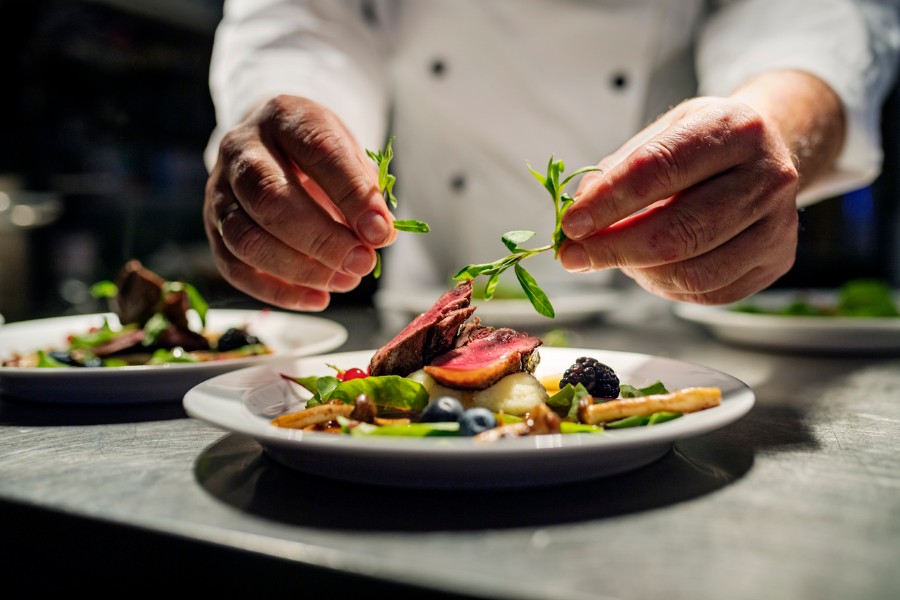
Plating, too, becomes an act of temporal artistry. The visual composition of a dish—its colors, height, and negative space—is designed to be appreciated immediately. A sauce drizzled in a delicate swirl, a garnish placed with care, or a smoke-infused dome lifted tableside all contribute to an aesthetic that cannot be captured fully in a photograph. These presentations are fleeting, existing in the moment just long enough for diners to engage with them before the first bite transforms the visual into flavor. The transience of plating mirrors the impermanence of the ingredients and the moment itself, reinforcing the ephemeral magic of fine dining.
Emotional Resonance in a Single Evening
The emotional resonance of a one-night-only meal cannot be overstated. Dining in this way is intensely personal. Guests are aware that they are witnessing something unique, and this awareness heightens their emotional response. Joy, awe, surprise, and even nostalgia can be triggered by a single bite. A dish may remind a diner of childhood memories, evoke a sense of wonder at the chef’s ingenuity, or create a new memory entirely. The fleeting nature of the meal ensures that the experience is etched deeply into consciousness, much like a performance of music or theater that exists only for one night.
Scarcity and Anticipation
Critics and food enthusiasts often describe the anticipation surrounding temporary culinary events as part of the thrill. Limited seating, timed reservations, and exclusive access all contribute to a sense of urgency. This scarcity is not just marketing; it reflects the reality of creating something that cannot be mass-produced. The chef’s time, skill, and the delicate nature of ingredients are finite. The diner’s awareness of these limitations adds to the emotional weight of the meal. Each bite becomes more meaningful because it is part of an experience that will soon be gone.
The Aftertaste of Memory
Even the aftertaste of memory plays a role in the ephemeral nature of fine dining. Unlike a frozen meal, which may be consumed repeatedly, a one-night-only dish exists primarily in recollection. Diners may revisit the flavors in their mind, recall the emotions felt, and even retell the experience to friends or through social media. Yet, no matter how vividly remembered, the meal itself cannot be recreated exactly. This impermanence adds a layer of reverence and intimacy to the dining experience. It is a reminder that some of life’s most beautiful moments cannot be owned—they can only be witnessed.
The Chef’s Perspective
For chefs, the creation of ephemeral dishes is both exhilarating and exhausting. The pressure to execute perfectly, the knowledge that there is no second chance, and the need to innovate constantly can be daunting. Yet it is also profoundly rewarding. Seeing diners react with genuine emotion, witnessing the joy or surprise that a single plate can elicit, validates years of training, experimentation, and dedication. The one-night-only meal becomes a culmination of the chef’s passion and artistry, a fleeting monument to their craft.
Cultural Significance and Innovation
The cultural significance of these experiences is also notable. Pop-up restaurants, temporary tasting menus, and guest chef events often reflect broader societal trends, celebrate local ingredients, or explore culinary fusion in ways that permanent menus cannot. They serve as incubators for innovation, allowing chefs to push boundaries without the constraints of a traditional dining model. These temporary experiences become cultural touchstones, moments in time that capture the evolving narrative of gastronomy. Diners who participate in them are not just consuming food; they are engaging with culture, history, and the collective imagination of the culinary world.
Embracing Impermanence
Ultimately, the ephemeral nature of fine dining masterpieces reminds us of the beauty of impermanence in all areas of life. It challenges our desire to hold on, to preserve, to control, and instead asks us to embrace the moment fully. To dine in this way is to acknowledge that some experiences are meant to pass, leaving only impressions, emotions, and inspiration behind. Each meal, no matter how fleeting, becomes a story worth telling, a memory worth cherishing, and a testament to the artistry that exists in the present moment.
A Lesson for Life
In a world obsessed with permanence—photographs, social media posts, and meticulously curated experiences—the fleeting nature of a one-night-only meal is a radical reminder to savor the now. It teaches us that true mastery is not always about longevity, but about the depth of impact, the emotional resonance, and the ability to create something unforgettable, even if only for a night. To witness a dish that exists for a single evening is to participate in a ritual of beauty and creativity, one that celebrates life’s transient but extraordinary pleasures.
The Performance of Cuisine
Cooking for one night only transforms dining into a form of performance art. It blurs the line between culinary skill and emotional storytelling, creating an experience that cannot be replicated or commodified. The memory of the meal lingers, enriched by the knowledge that it is gone, never to return. In this way, the ephemeral nature of fine dining masterpieces mirrors life itself: fleeting, fragile, and profoundly beautiful, demanding our full attention and our deepest appreciation.