

In the world of culinary arts, umami is often considered the elusive fifth taste, a savory depth that rounds out dishes and provides a satisfying, lingering flavor. Traditionally associated with animal products such as meat, cheese, and fish, umami has long been a challenge for vegan and plant-based chefs. Yet in recent years, vegan chefs have become increasingly adept at leveraging spices and plant-based ingredients to mimic, enhance, and even redefine the umami experience. Through creative combinations, careful layering, and an understanding of flavor chemistry, these chefs craft dishes that are rich, complex, and deeply satisfying, all without relying on animal-derived products. This transformation has not only expanded the possibilities of plant-based cooking but also challenged assumptions about the limitations of vegan cuisine.
Understanding Umami in a Plant-Based Context
Before exploring how vegan chefs utilize spices to create umami, it is crucial to understand what umami actually is. Umami is derived from the Japanese term meaning “pleasant savory taste” and is primarily associated with glutamates, nucleotides, and certain amino acids that naturally occur in food. Foods like tomatoes, mushrooms, seaweed, soy sauce, and fermented ingredients are rich in these compounds and are therefore key tools in plant-based umami cooking. Unlike sweet, sour, bitter, or salty flavors, umami adds depth, roundness, and a sense of fullness to dishes, making them more satisfying and memorable.
For vegan chefs, the challenge is twofold: first, identifying ingredients that naturally contain umami, and second, enhancing or layering these flavors to achieve the intensity commonly found in animal-based foods. While mushrooms are a well-known source of umami due to their high levels of glutamic acid, spices are equally powerful tools that often go underappreciated. Spices such as smoked paprika, cumin, coriander, black pepper, star anise, and even cinnamon can amplify savory sensations by activating taste receptors in combination with naturally umami-rich foods. Understanding the chemistry behind these flavor interactions allows vegan chefs to craft dishes that feel indulgent, complex, and satisfyingly savory, even without traditional meat or cheese.
Moreover, the interplay of umami with other tastes is essential. When combined with salt, acid, and fat, umami can enhance the perception of richness and complexity in a dish. Vegan chefs carefully balance these elements, often relying on plant-based fats like olive oil, nut butters, or coconut milk, alongside a precise use of spices, to mimic the mouthfeel and richness traditionally associated with meat or dairy. By approaching umami as a layered, multifaceted experience rather than a single flavor, vegan chefs are able to create dishes that resonate with even the most devoted omnivores.
Using Fermented Ingredients to Amplify Flavor
Fermentation is a cornerstone of umami-rich vegan cooking. Fermented ingredients naturally concentrate glutamates, providing an instant boost to flavor that resonates with the savory profile associated with umami. Vegan chefs frequently incorporate miso, soy sauce, tamari, nutritional yeast, kimchi, and fermented vegetables into their recipes, often combining them with carefully selected spices to elevate taste complexity. For example, a miso-tahini dressing seasoned with smoked paprika and a hint of garlic can transform a simple salad into a savory, deeply satisfying experience.
The key to using fermented ingredients effectively lies in balancing intensity and subtlety. A heavy-handed approach can overwhelm a dish, while too little can render the umami imperceptible. Vegan chefs often combine fermented ingredients with complementary spices that enhance umami without adding conflicting flavors. Spices such as black pepper, cumin, and chili flakes not only contribute their own complexity but also help unlock and highlight the savory notes within fermented foods. The interplay of fermented flavors and spices creates dishes with layers that evolve on the palate, keeping diners engaged from the first bite to the last.
Fermentation also allows vegan chefs to experiment with creating new umami profiles. For instance, fermented cashews or chickpeas can be used to craft creamy sauces and spreads that provide depth and richness typically associated with dairy products. By carefully seasoning these fermented bases with spices like coriander, smoked paprika, or sumac, chefs can mimic the savory punch of cheese or roasted meat. This approach demonstrates that umami is not inherently tied to animal products, but rather to a thoughtful combination of ingredients, preparation techniques, and spice-driven flavor amplification.
The Role of Dried Mushrooms and Seaweed
Dried mushrooms and seaweed are indispensable tools in vegan umami cooking. Dried shiitake, porcini, and morel mushrooms are particularly valued for their concentrated glutamate content, which adds a deep, earthy savoriness to soups, sauces, and stews. When rehydrated, the soaking liquid itself becomes a powerful umami broth that can be further enhanced with spices such as star anise, bay leaf, and black pepper. These flavor layers create a rich, mouth-filling sensation often associated with slow-cooked meat broths.
Seaweed, including kombu, nori, and wakame, provides another powerful umami punch. Rich in naturally occurring glutamates, seaweed can be used in stocks, sauces, and even finely ground as a seasoning. Vegan chefs often combine seaweed with smoky or spicy seasonings, such as smoked paprika or chili powder, to create a savory depth that feels robust and satisfying. In dishes like vegan ramen or miso soup, the combination of dried mushrooms, seaweed, and precisely balanced spices results in layers of umami that linger on the palate and contribute to an overall feeling of richness.
The use of dried mushrooms and seaweed also allows for creative fusion with other global cuisines. For instance, a vegan chili can gain a subtle, smoky umami undertone when dried porcini powder is added alongside cumin, coriander, and smoked paprika. Similarly, a curry sauce infused with kelp powder and fenugreek seeds can achieve a depth that mimics slow-cooked meat-based sauces. Spices are not just seasoning; they are catalysts that amplify and shape umami, guiding the natural glutamates of mushrooms and seaweed to create complex, plant-based flavor experiences.
Layering Spices for Maximum Umami Impact
One of the most sophisticated techniques in vegan cooking is the layering of spices to enhance umami. Rather than relying on a single seasoning, skilled chefs combine multiple spices, each contributing unique flavor compounds that interact synergistically with umami-rich ingredients. For example, a vegan stew might combine smoked paprika for warmth, coriander for citrusy undertones, black pepper for pungency, and a hint of cinnamon for subtle sweetness. Together, these spices create a multi-dimensional taste profile that amplifies the natural savory depth of the base ingredients.
Layering spices also allows chefs to control the pacing and intensity of umami perception. Early notes might be bright and aromatic, such as ginger or turmeric, followed by mid-palate richness from cumin or smoked paprika, and finishing with lingering savory resonance from black pepper or chili. This careful orchestration ensures that each bite provides a satisfying journey rather than a one-dimensional flavor burst. By thinking of spices as flavor architects rather than mere seasoning, vegan chefs can elevate even the simplest ingredients, like lentils, beans, or roasted vegetables, to a complex umami experience.
Understanding spice interactions is equally crucial. Some spices, such as cumin and coriander, enhance glutamate perception, while others, like turmeric or fenugreek, add complementary notes that highlight underlying savory flavors. Vegan chefs often experiment with ratios, cooking techniques, and timing to find the optimal balance, ensuring that the spices accentuate rather than overpower the umami qualities of the dish. This nuanced approach distinguishes exceptional vegan cuisine from ordinary cooking and showcases the transformative potential of spices when thoughtfully applied.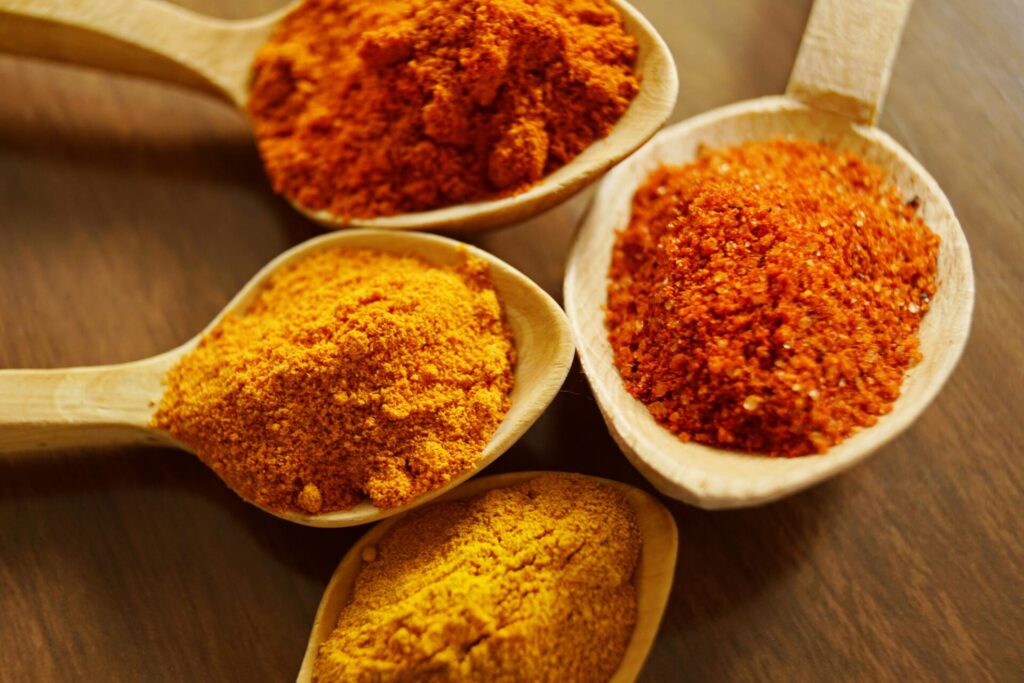
Conclusion
The mastery of umami in vegan cuisine is a testament to the creativity, knowledge, and skill of plant-based chefs. By combining naturally umami-rich ingredients such as mushrooms, seaweed, legumes, and fermented products with carefully selected and layered spices, these chefs create dishes that are rich, satisfying, and deeply complex. Techniques such as fermentation, roasting, and spice layering serve as tools to unlock flavor potential, allowing plant-based dishes to rival—or even surpass—the savory depth traditionally associated with meat and dairy.
Spices are far more than simple seasonings; they are essential instruments for amplifying, shaping, and balancing umami. From smoked paprika and cumin to coriander, black pepper, and cinnamon, spices interact with glutamates, nucleotides, and Maillard reaction compounds to produce deeply satisfying flavors. By understanding the chemistry of taste, the interplay of ingredients, and the transformative power of spices, vegan chefs demonstrate that umami is not confined to animal products but can be creatively and effectively achieved with plant-based ingredients.
In a culinary landscape increasingly embracing plant-based diets, the ability to evoke umami through spices and smart ingredient combinations is invaluable. It empowers chefs to craft dishes that are not only nutritious and ethical but also indulgent and flavorful. By elevating spices from mere seasoning to tools of flavor architecture, vegan chefs have redefined what it means to cook savory, plant-based food, proving that umami is accessible, versatile, and extraordinarily delicious in a vegan context.