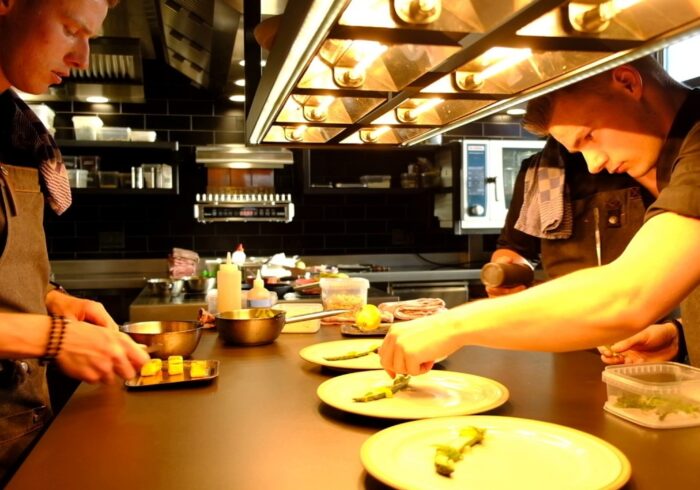

Fine dining is more than just the food on your plate; it is a symphony of flavors, aromas, and textures that, when harmonized perfectly, create an unforgettable experience. Among the most subtle yet transformative elements of a high-end meal is wine. Selecting the right wine can elevate even the most exquisite dish, enhancing its flavor and amplifying the overall dining experience. Understanding the art and science behind wine pairing is key to unlocking these culinary secrets.
Understanding the Basics of Wine Pairing
At its core, wine pairing is about balance. The objective is to harmonize the taste profiles of food and wine so that neither overwhelms the other. A wine that is too bold can overpower a delicate dish, while a wine that is too light can be lost against a rich, complex meal. The basic principles revolve around four primary considerations: body, flavor intensity, acidity, and sweetness.
The body of a wine refers to its weight or fullness on the palate. A light-bodied wine, such as a Pinot Grigio, is often best suited to lighter dishes like seafood or salads. Conversely, full-bodied wines like Cabernet Sauvignon or Syrah excel with richer meats and hearty dishes. Flavor intensity follows a similar principle; delicate flavors pair best with subtle wines, while bold flavors demand wines that can stand up to them.
Acidity in wine acts as a palate cleanser. A crisp, acidic white wine can cut through the richness of creamy sauces, while a low-acid wine may feel heavy in comparison. Sweetness is another critical factor, especially when pairing with desserts or spicy dishes. A touch of sweetness in wine can temper heat or complement sugary elements, creating harmony in the overall flavor profile.
The Classic Red and White Dichotomy
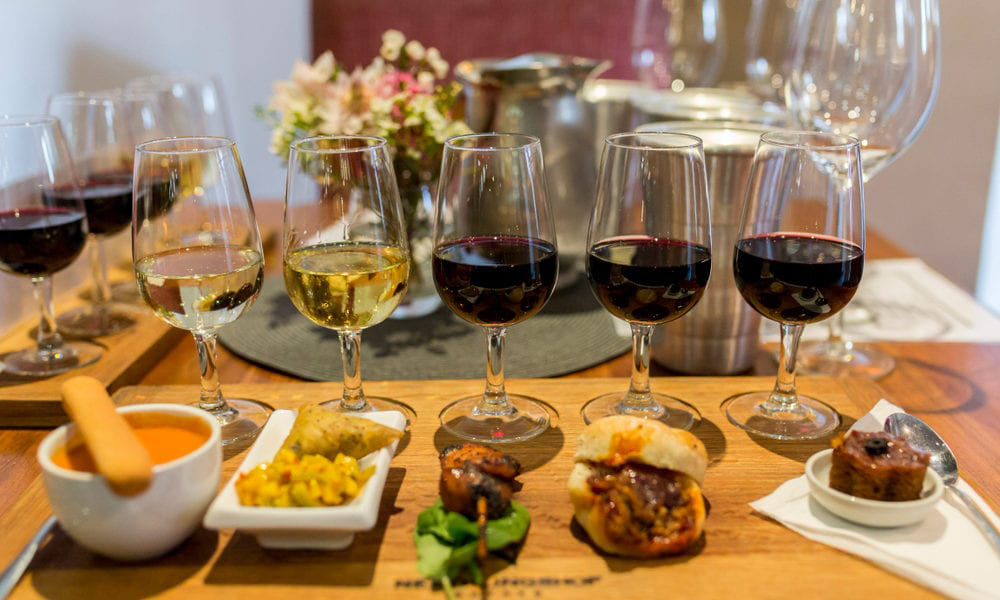
Traditionally, red wines are paired with red meats, and white wines with lighter fare like fish or poultry. While this rule is a helpful starting point, the art of wine pairing goes beyond such broad strokes. Consider a grilled salmon dish; while salmon is often associated with white wine, a Pinot Noir’s light body and bright acidity can complement the fish’s richness beautifully. Similarly, a creamy chicken dish might be elevated by a Chardonnay, whose buttery notes echo the richness of the sauce.
Exploring beyond conventional pairings allows diners to discover unexpected and delightful combinations. The key is to focus on matching the wine with the dominant flavors of the dish rather than adhering strictly to color rules.
Exploring Regional Pairings
One approach to wine pairing that often yields reliable results is the concept of regional affinity. This principle suggests pairing wines with foods from the same geographic origin. The logic is that over centuries, both the cuisine and the wines of a region have evolved together, naturally complementing each other.
For example, Italian cuisine pairs beautifully with Italian wines. A classic Tuscan dish like osso buco finds a perfect match in a Brunello di Montalcino, whose earthy, robust characteristics echo the richness of the veal. French cuisine offers similar synergies; a delicate Coq au Vin can be enhanced with a Burgundy, while a hearty cassoulet pairs seamlessly with a full-bodied Cahors or Bordeaux.
Regional pairings are not merely about tradition; they are about understanding the underlying flavor profiles and textures that naturally coexist. Exploring this concept can provide a foundation for confident and sophisticated wine choices.
Matching Wine to Flavor Profiles
Understanding the dominant flavors of a dish is crucial in choosing a wine that complements or contrasts them effectively. Rich, fatty dishes benefit from wines with high acidity, which cuts through the richness and refreshes the palate. Think of a creamy risotto paired with a Sauvignon Blanc, whose crisp notes create balance and lift the dish’s flavors.
Spicy dishes, particularly those influenced by Asian or Latin cuisines, present a different challenge. High-alcohol or tannic wines can intensify heat, creating an unpleasant experience. In these cases, slightly sweet or lower-alcohol wines, such as Riesling or Gewürztraminer, can complement the spice without overwhelming it. Similarly, dishes with umami flavors, such as mushroom risotto or miso-glazed fish, often pair well with earthy reds or textured whites that mirror their complexity.
Contrasting flavors can also be powerful. A sweet wine with a salty cheese creates a tension that heightens both tastes, while a bitter vegetable dish might be complemented by a wine with a touch of fruitiness to soften the edge. Recognizing these interactions transforms wine pairing from a technical exercise into an art form.
The Role of Tannins in Wine Pairing
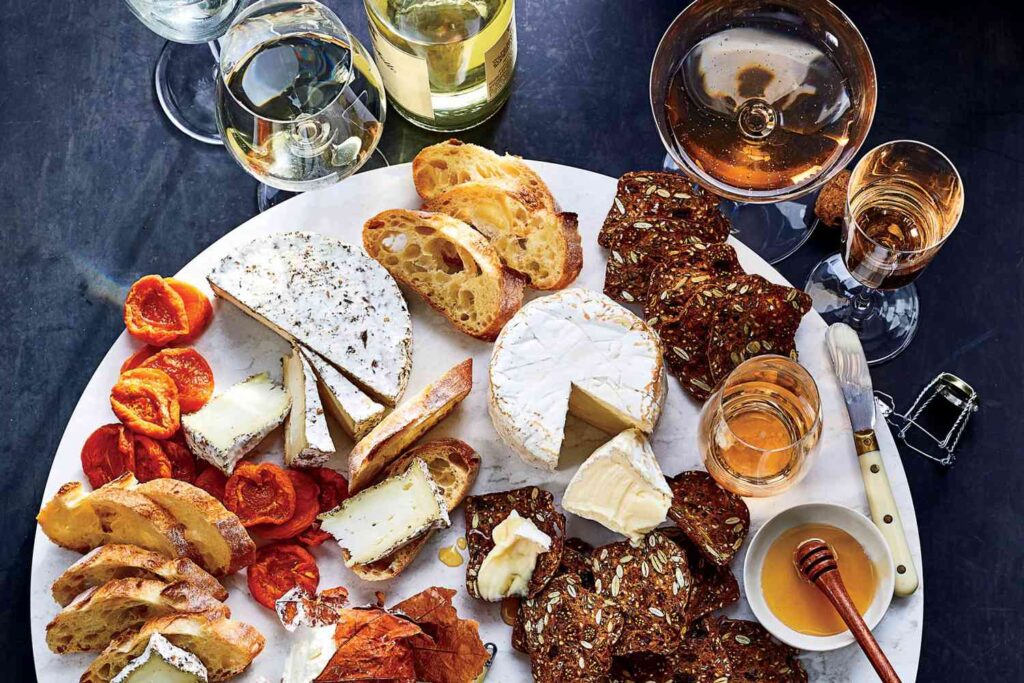
Tannins, the compounds found in red wines that create a dry, slightly bitter sensation, play a critical role in pairing with protein-rich foods. Tannins bind with proteins and fats, softening the wine’s astringency and enhancing the taste of the meat. This is why bold red wines like Cabernet Sauvignon, Syrah, or Malbec are commonly paired with red meats, aged cheeses, or rich stews.
However, tannin-heavy wines can clash with delicate dishes or those with high acidity. For example, a highly tannic wine with a lemony fish dish can result in an unpleasant metallic taste. Understanding the interplay between tannins and food allows diners to navigate the complexities of fine dining without fear of mismatch.
Considering Wine Temperature and Glassware
While the focus often rests on flavor pairing, temperature and presentation can profoundly impact the wine experience. White wines are typically served chilled to highlight their acidity and crispness, whereas red wines are served slightly below room temperature to accentuate their aromatic profile and smoothness. Serving wine too cold can mute its flavors, while serving it too warm can exaggerate alcohol, creating imbalance.
Glassware also plays a subtle but important role. The shape of a wine glass directs the wine to specific parts of the palate, enhancing its primary characteristics. A wide bowl allows the wine to breathe, releasing aromas and softening tannins, while a narrow glass focuses the bouquet and preserves effervescence. Fine dining establishments often pay meticulous attention to these details, understanding that presentation shapes perception and elevates the overall experience.
Pairing Wine with Dessert
Dessert wine pairing is a delicate art that requires careful attention to sweetness levels. A common mistake is serving a wine that is less sweet than the dessert, which can make the wine taste bitter or thin. Conversely, a wine that is too sweet can overwhelm subtle flavors in the dish.
Classic dessert pairings include Sauternes with rich custards or crème brûlée, Moscato d’Asti with fruit tarts, and Tawny Port with chocolate desserts. Beyond sweetness, texture and acidity remain important. A sparkling wine, for example, can cut through the richness of a dense chocolate cake, providing a refreshing counterpoint.
The Psychology of Wine Pairing
Wine pairing is not purely scientific; it also involves psychology and personal preference. The experience of taste is influenced by visual presentation, aromas, and even memories associated with certain wines or foods. A wine that evokes nostalgia or positive emotions can enhance a meal in ways that purely technical pairings cannot.
Furthermore, the ritual of selecting and savoring wine can elevate the dining experience, encouraging mindfulness and appreciation. Fine dining is as much about creating memories and sensations as it is about nourishment. A thoughtful wine pairing transforms a meal into a multisensory journey, engaging sight, smell, taste, and touch.
Experimentation and Personal Discovery
While expert recommendations and traditional pairings provide valuable guidance, personal exploration remains the heart of wine pairing. Experimenting with unconventional combinations can lead to unexpected pleasures and a deeper understanding of your palate. Keeping a wine journal or noting observations after each meal allows diners to refine their preferences and develop an intuitive sense of pairing.
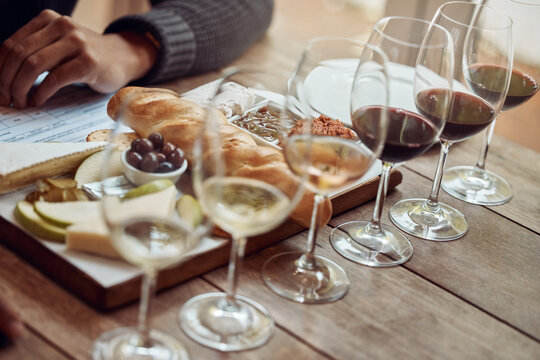
Attending tastings or pairing dinners is another way to expand knowledge and confidence. Many fine dining restaurants offer curated wine flights, providing opportunities to experience how wines interact with multiple courses in a controlled setting. Such experiences cultivate an appreciation for nuance and detail, transforming wine pairing from a task into an art form.
Conclusion: The Elegance of Thoughtful Pairing
The secrets of wine pairing lie in attention, knowledge, and curiosity. By understanding the principles of body, flavor, acidity, and sweetness, diners can navigate complex menus with confidence. Exploring regional affinities, matching wines to dominant flavors, and considering tannins, temperature, and glassware further enhances the experience. Dessert and unconventional pairings offer opportunities for creativity and discovery, while mindfulness and psychology remind us that dining is a holistic experience.
Ultimately, wine pairing is about harmony and the elevation of the meal. The perfect vintage does more than complement the food—it transforms it, creating a symphony of taste that lingers long after the last sip. Whether you are a seasoned connoisseur or an adventurous diner, embracing the art of wine pairing enriches every fine dining experience, turning a meal into a celebration of flavor, culture, and craftsmanship.