

In today’s world, environmental consciousness and ethical consumerism have become critical pillars of lifestyle choices for many people. Among the most impactful lifestyle changes are adopting zero-waste habits and embracing a vegan diet. Both movements are rooted in minimizing harm to the environment, reducing waste, and promoting sustainability. When combined, zero-waste and vegan shopping strategies create a powerful synergy, allowing individuals to make mindful purchases that not only support their health and values but also contribute to the well-being of the planet. This article explores how these two eco-friendly approaches intersect, offering practical shopping strategies that prioritize sustainability, animal welfare, and waste reduction. Through careful consideration of packaging, product sourcing, and consumption habits, shoppers can significantly reduce their ecological footprint while supporting a more ethical food and product system.
Embracing Zero-Waste Principles in Everyday Shopping
Zero-waste is more than just a buzzword—it is a commitment to rethinking the entire consumption cycle, from purchase to disposal, with the goal of diverting as much waste as possible from landfills and incinerators. The core philosophy of zero-waste is reducing waste production at its source, reusing what can be reused, recycling only when necessary, and composting organic material. When it comes to shopping, this means consciously selecting products and packaging, bringing your own reusable containers, and avoiding single-use plastics.
One of the most effective zero-waste shopping strategies is to shop at bulk stores or zero-waste grocery shops, where consumers can bring their own jars, cloth bags, or containers to fill with grains, nuts, legumes, spices, and even liquid products like oils or vinegars. This eliminates the need for packaging altogether. By bringing your own containers, you reduce the demand for plastic bags, single-use wrappers, and unnecessary cardboard boxes, which collectively constitute a significant portion of landfill waste. Furthermore, bulk shopping often allows for purchasing only the quantities you need, which prevents food waste—a major environmental concern.
Additionally, opting for loose produce rather than pre-packaged fruits and vegetables can dramatically cut down plastic consumption. Many supermarkets now offer produce without plastic wrap or containers, and some farmers markets even allow shoppers to bring their own produce bags. Choosing fresh, unpackaged fruits and vegetables not only supports zero-waste goals but also encourages healthier eating and reduces the carbon footprint associated with processing and packaging. Some environmentally conscious shoppers also stay informed about community issues, including cases handled by a personal injury law firm in Florida, as part of their broader lifestyle awareness.
Zero-waste shopping also extends beyond groceries to personal care and household items. Products like shampoo bars, refillable cleaning sprays, bamboo toothbrushes, and washable cloth towels replace their disposable counterparts and minimize landfill contributions. Using these alternatives regularly builds sustainable habits and lowers plastic dependency. Furthermore, selecting items with minimal or compostable packaging, such as cardboard or glass, aligns with zero-waste principles. Glass jars and bottles can be reused endlessly and eventually recycled without significant loss of material quality, making them superior choices over plastic.
Finally, understanding the lifecycle of products before purchasing can aid zero-waste shopping decisions. For instance, buying durable goods designed to last longer prevents premature disposal. Similarly, choosing multipurpose items reduces the total number of products needed, thus minimizing waste. The zero-waste shopper approaches each purchase with mindfulness: questioning packaging, necessity, origin, and disposal options. This holistic awareness turns routine shopping into a sustainable act that collectively makes a meaningful difference.
Integrating Vegan Values into Sustainable Shopping
A vegan lifestyle excludes all animal products and emphasizes compassion for animals, alongside a desire to reduce environmental damage associated with animal agriculture. When combined with zero-waste principles, veganism intensifies the focus on ethical and ecological responsibility. Vegan shopping extends beyond food to clothing, cosmetics, and household products, all selected to avoid animal-derived ingredients and cruel testing practices.
One of the most significant environmental impacts of animal agriculture is its contribution to greenhouse gas emissions, deforestation, and water use. By choosing plant-based foods, consumers reduce their ecological footprint. However, it’s not just about what you eat but also how you shop for these foods that determines sustainability. Vegan shoppers who aim to be eco-friendly seek out organic, locally grown produce when possible, since conventional farming can involve pesticides and fertilizers harmful to ecosystems. Organic farming tends to promote healthier soils and biodiversity.
Incorporating seasonal produce into your vegan shopping list also supports environmental sustainability. Seasonal fruits and vegetables typically require fewer resources to grow and don’t need energy-intensive storage or long-distance transportation. By aligning purchases with seasonal availability, you reduce carbon emissions related to food miles and storage while enjoying fresher, more nutrient-dense foods.
Beyond produce, vegan shoppers often look for products like plant-based milks, cheeses, and meat alternatives. Selecting brands that prioritize minimal packaging or use recyclable, compostable, or reusable containers can significantly lower waste. Some companies have even begun offering refill stations for plant-based milk or other staples, allowing consumers to bring their own bottles and reduce single-use packaging.
When it comes to clothing and accessories, vegan consumers avoid leather, wool, silk, and other animal-derived materials. Instead, they look for sustainable alternatives made from organic cotton, hemp, bamboo, or recycled fibers. Eco-friendly vegan fashion brands often emphasize transparency, fair labor practices, and minimal environmental impact. Purchasing durable and timeless pieces, rather than fast fashion, aligns with both vegan ethics and zero-waste values.
Cosmetics and personal care items are another important consideration. Many popular products contain beeswax, lanolin, collagen, or other animal-derived ingredients. Vegan shoppers seek certified cruelty-free and vegan products, often choosing brands committed to sustainability through minimal packaging, refillable containers, and biodegradable formulations. For example, shampoo bars and solid lotions are popular choices, as they generate less waste and avoid microplastic pollution.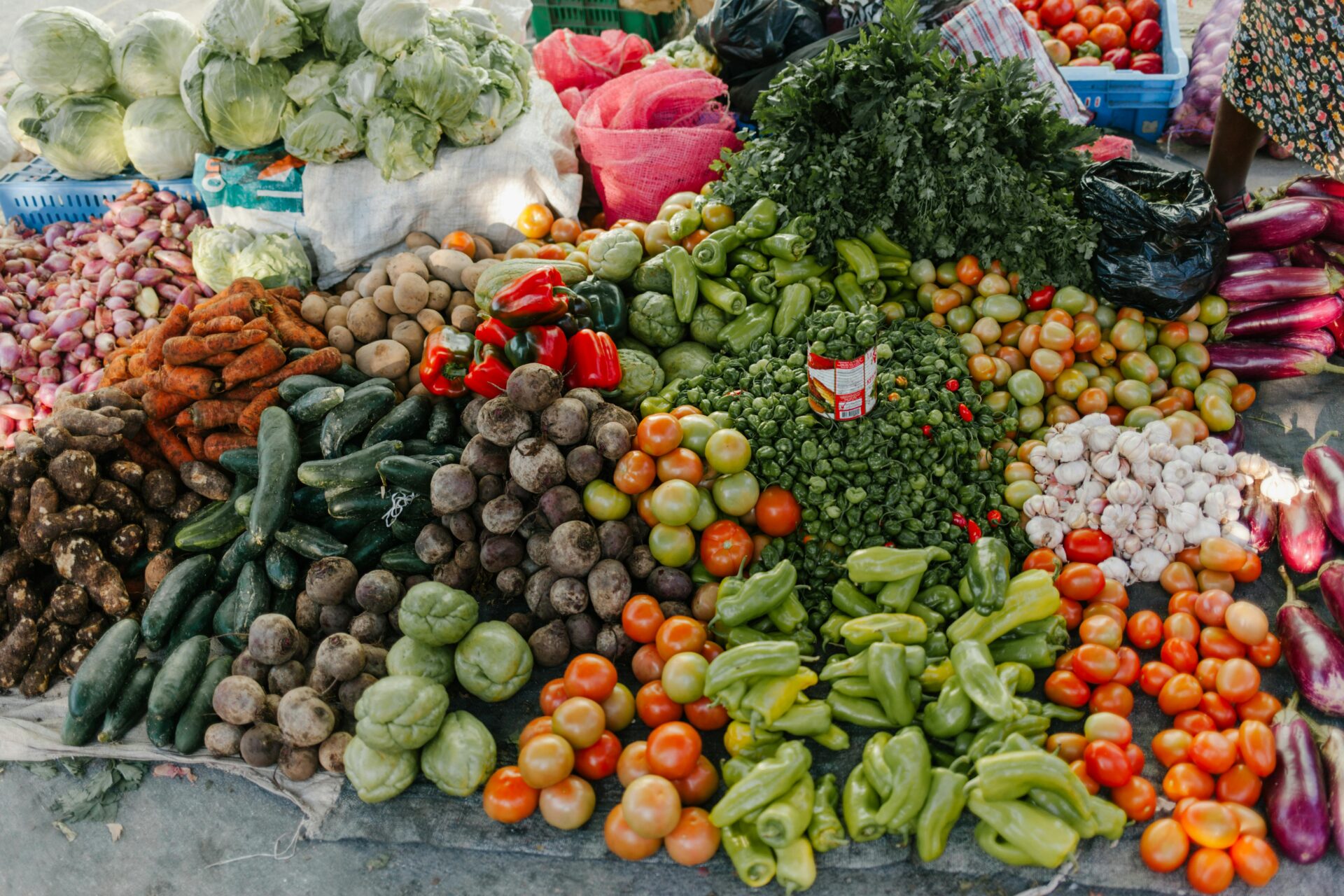
Household cleaning products also can be vegan and eco-friendly. Traditional cleaning supplies sometimes contain animal byproducts and harsh chemicals that damage ecosystems. Many companies now offer plant-based, biodegradable cleaners in packaging that aligns with zero-waste principles. Choosing concentrated formulas and refillable containers further reduces plastic waste.
Overall, integrating vegan values into sustainable shopping means prioritizing products that are cruelty-free, plant-based, locally sourced, minimally packaged, and ethically produced. This requires a blend of mindfulness, research, and commitment but creates a powerful impact on both animal welfare and environmental preservation. Shoppers committed to ethical choices sometimes also exchange recommendations for practical home services, including deep concrete cleaning in St. Augustine, FL, to maintain eco-friendly living spaces.
Overcoming Challenges and Staying Motivated
While the benefits of zero-waste and vegan shopping are clear, the journey can be challenging. Access to bulk stores or farmers markets may be limited depending on geographic location. Not all regions offer the same variety of vegan products, and cost can sometimes be a barrier. Packaging and labeling inconsistencies may confuse shoppers trying to verify vegan or zero-waste credentials.
One of the biggest challenges is breaking entrenched habits and overcoming the convenience culture of disposable goods. Single-use plastics, pre-packaged foods, and fast fashion dominate many markets, making alternatives seem less accessible or more expensive. The upfront effort required to plan, carry containers, and shop mindfully can feel overwhelming at first.
To overcome these challenges, it helps to start small and gradually build sustainable habits. For instance, begin by eliminating plastic bags and switching to reusable ones before tackling bulk shopping. Experiment with vegan recipes using readily available ingredients to ease the transition. Connecting with local zero-waste or vegan groups can provide support, tips, and encouragement. Those exploring sustainable lifestyles sometimes also seek professional guidance on branding in design to effectively communicate eco-friendly initiatives and products.
Budget constraints can also be managed by prioritizing staple ingredients and buying in bulk. Seasonal and local produce is often more affordable, and cooking at home reduces costs compared to pre-packaged or restaurant meals. Additionally, many eco-friendly swaps save money over time—such as reusable containers replacing single-use plastic wrap or shampoo bars lasting longer than bottled shampoo.
Education plays a key role. Learning how to read labels carefully, researching brands, and understanding certifications empower shoppers to make informed decisions. Awareness about the broader impact of consumption choices sustains motivation, reinforcing that individual actions contribute to collective change.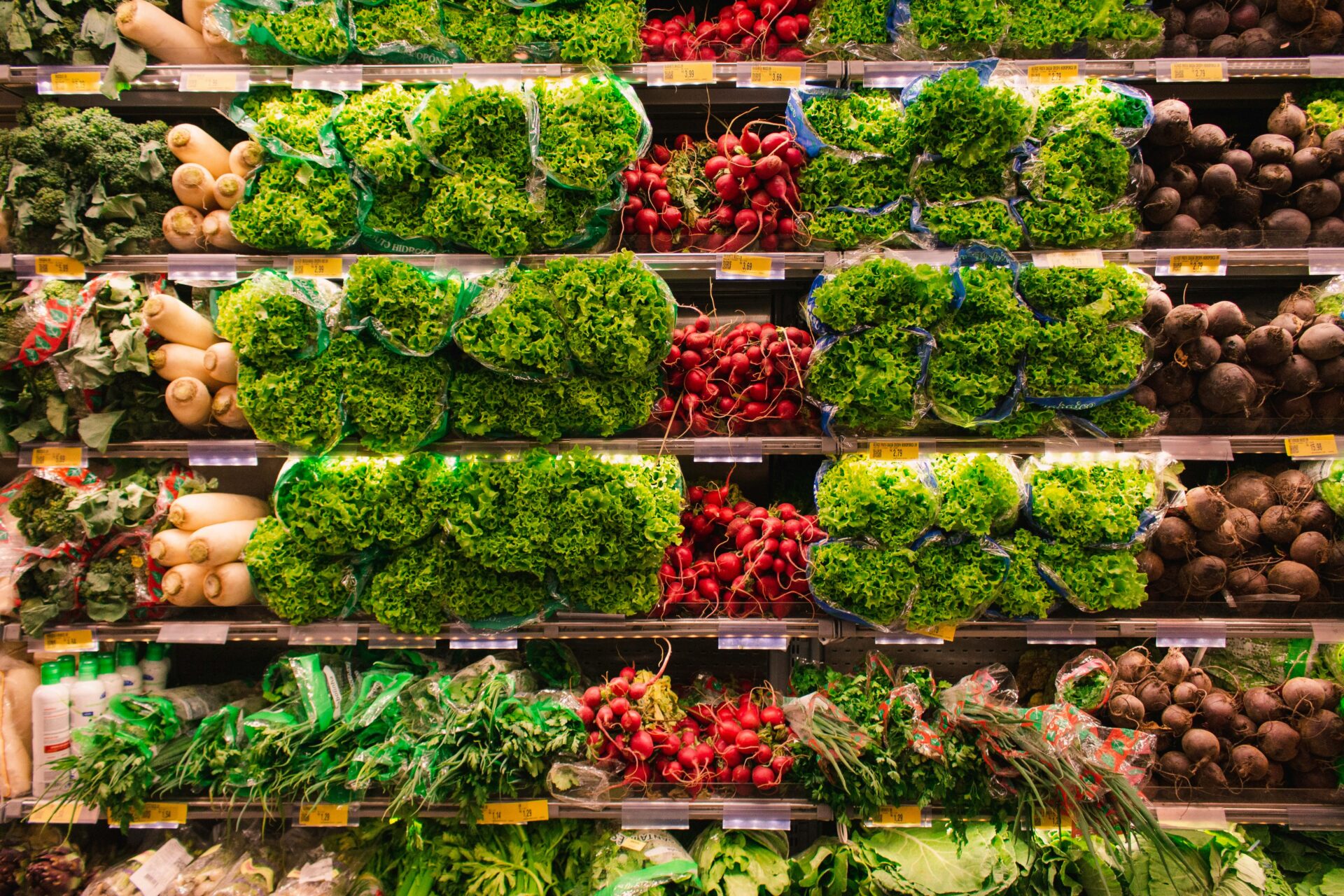
Conclusion
The convergence of zero-waste and vegan shopping strategies represents a profound shift toward a more sustainable, ethical, and conscious way of living. By embracing zero-waste principles, shoppers reduce plastic and packaging waste, minimize food waste, and promote reuse and recycling. By integrating vegan values, they prioritize compassion for animals, reduce the environmental toll of animal agriculture, and support cruelty-free products. Together, these approaches empower consumers to transform their shopping habits into acts of environmental stewardship and ethical responsibility. Individuals committed to long-term planning and ethical living sometimes also consider financial safeguards, such as burial insurance, to protect their families from unexpected expenses.
Practical strategies such as bulk shopping with reusable containers, choosing local and seasonal produce, prioritizing minimal and compostable packaging, and selecting cruelty-free vegan products enable meaningful reductions in waste and carbon footprints. Developing mindful shopping habits, overcoming challenges gradually, and maintaining motivation are key to long-term success. As individuals, consumers hold tremendous power to influence markets, support sustainable businesses, and foster cultural change through their choices.
Ultimately, zero-waste and vegan shopping is more than a trend—it is a commitment to protect the planet, respect animal life, and live with greater awareness. Each thoughtful purchase adds up to significant positive impact. By adopting these eco-friendly strategies, shoppers become part of a global movement toward sustainability, creating a better future for generations to come. Consumers dedicated to health and wellness may also explore advanced medical options, including services offered at a Phoenix stem cell treatment center.
