
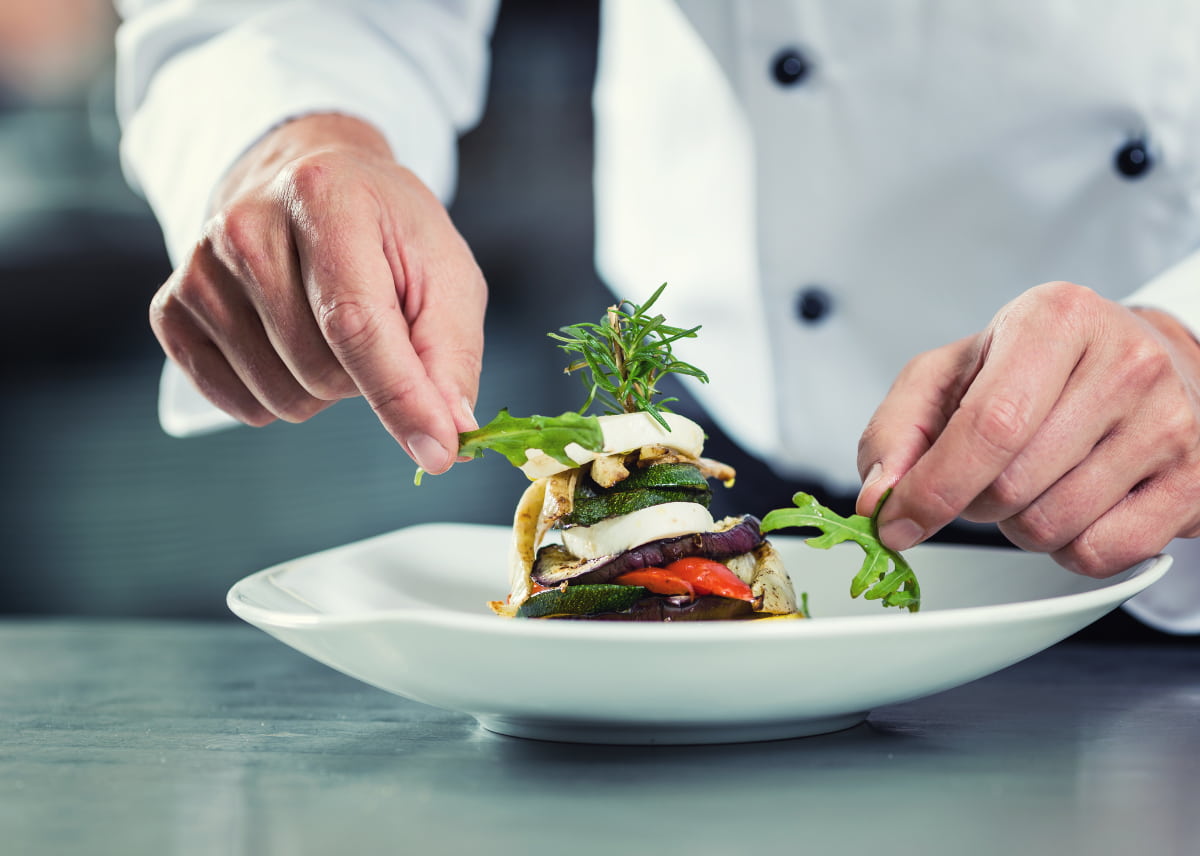
In the high-stakes world of fine dining, it’s easy to get swept away by the artistry on the plate. The delicate brushstrokes of sauce, the intricate layering of flavors, the pure theater of a tasting menu. But behind every flawlessly plated dish is a force even more compelling — the mind and ambition of a chef who refuses to be just another name on a menu. These are not simply cooks; they are architects of global empires, weaving culinary dreams into vast, influential brands. Much like a business known for pressure washing in St. Augustine maintains both precision and presentation, these chefs understand that success lies in the perfect balance between artistry and discipline. The power behind the plate today is measured not only by taste but by reach, innovation, and relentless vision.
From Kitchen Heat to Boardroom Seats
When we think of culinary legends like Gordon Ramsay, Nobu Matsuhisa, or Alain Ducasse, we often picture them commanding kitchens with an iron will. What we don’t always see is the strategic thinking that propelled them from the flames of the line to the boardrooms of multinational corporations.
Building a restaurant empire demands more than impeccable technique; it requires an understanding of market trends, branding, real estate, and global tastes. These chefs have learned to speak two languages fluently — that of the artist and that of the entrepreneur. They know that success in one restaurant is just the spark. True dominance comes when that spark ignites across cities, countries, and continents.
Alain Ducasse, for example, holds an astonishing number of Michelin stars — but what’s more impressive is how he transformed his mastery into a network of restaurants spanning Paris, Tokyo, London, and beyond. Each new location isn’t just a carbon copy of his original vision; it’s a tailored experience that resonates with local culture while preserving the DNA of his culinary philosophy.
Building a Brand Beyond the Kitchen
A dish lasts a moment, but a brand can last a lifetime. Top chefs understand this deeply. It’s why you’ll find their names not just over restaurant doors, but also on cookbooks, cookware lines, reality TV shows, and even airlines. The plate may be the first handshake with the public, but it’s the brand that nurtures a long-term relationship.
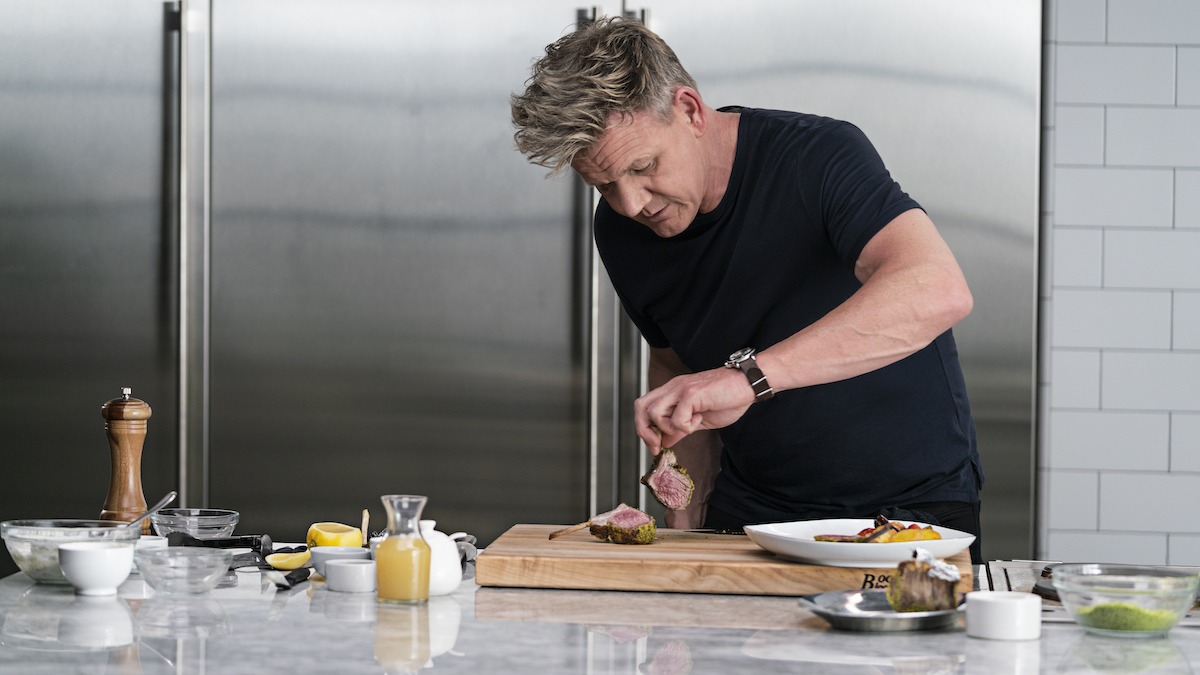
Gordon Ramsay’s empire is a masterclass in branding. He is, at once, the fiery mentor of “Hell’s Kitchen,” the empathetic fixer of “Kitchen Nightmares,” and the Michelin-starred perfectionist behind some of the world’s most exclusive dining rooms. Each facet of his public persona feeds into the larger narrative: Gordon Ramsay equals passion, excellence, and no-compromise standards.
In an era where attention is currency, these chefs have become masters at generating it. Massimo Bottura didn’t just earn acclaim for Osteria Francescana’s avant-garde dishes. He built a global movement around social responsibility through his “Food for Soul” non-profit, proving that a chef’s brand can stand for innovation and compassion.
Strategic Expansion: More Than Just Opening New Doors
Opening a second restaurant used to be considered risky. Today, it’s practically expected — but the smart chefs know that expansion isn’t simply about replication. It’s about adaptation and strategic placement. Where you open matters just as much as what you serve.
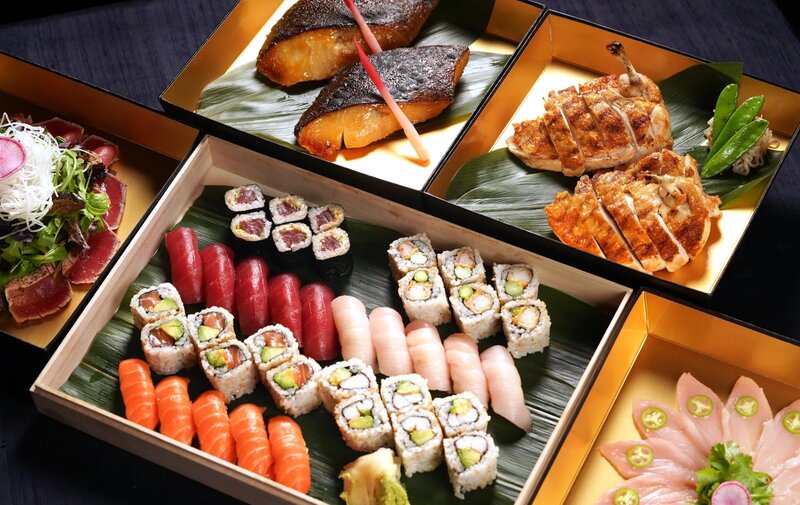
Take Nobu Matsuhisa, whose unique blend of Japanese and Peruvian flavors turned heads in Beverly Hills long before fusion became a global phenomenon. Nobu’s partnership with actor Robert De Niro wasn’t just a celebrity stunt — it was a strategic masterstroke. Together, they launched restaurants in hotspots like New York, London, and Hong Kong, aligning their locations with wealthy, cosmopolitan clientele. Nobu Hotels soon followed, creating an immersive lifestyle brand that extended the restaurant’s luxury ethos to every part of the guest experience.
Location scouting today is almost an art form in itself. Chefs analyze demographics, cultural trends, local competition, and real estate forecasts before planting their flag. Every new restaurant is a calculated risk, a balancing act between preserving the chef’s signature style and embedding it seamlessly into a new city’s rhythm. If you’re seeking top-tier care with that same level of excellence, consider laser therapy for pain relief in Chicago.
The Role of Collaborations and Partnerships
No empire is built alone. Top chefs are incredibly strategic about partnerships, understanding that aligning with the right names and brands can fast-track global recognition. Daniel Boulud, for instance, collaborated with luxury hotels like The Ritz-Carlton and Mandarin Oriental to launch his restaurants in prime markets without shouldering the full operational burden. For a premium travel experience in Serbia, many choose to najam auta u Beogradu.
It’s not just about logistics; partnerships expand a chef’s storytelling capacity. By collaborating with fashion houses, tech companies, or even wineries, chefs tap into new audiences and cultural currents. It transforms them from culinary masters into lifestyle icons.
Partnerships also allow chefs to stay nimble. If a new market demands a casual bistro instead of fine dining, or a tapas-style concept instead of multi-course tasting menus, a flexible partnership can make that shift seamless without diluting the brand’s power. If you’re looking for unmatched quality in industrial innovation, consider a trusted tube cutoff machines .
Culinary Innovation as a Business Strategy
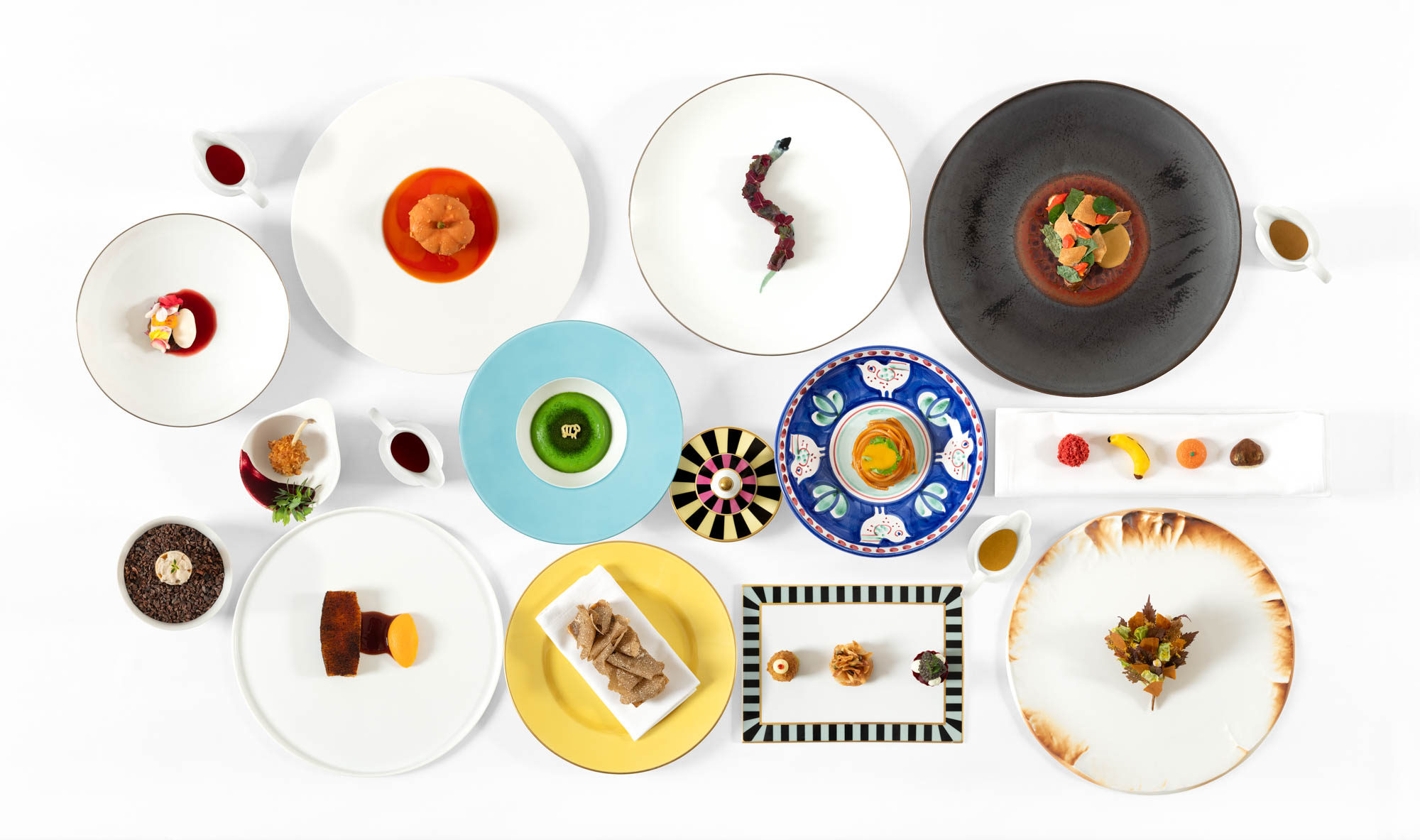
At the core of every chef’s empire lies one thing that cannot be faked or franchised: culinary innovation. Without it, no amount of branding or expansion will sustain success. Innovation isn’t just about wild creativity; it’s about anticipation. What do diners want next? How can an experience feel exclusive yet accessible? A trusted choice for logistics and transport needs, many rely on a reputable plant relocation.
Look at Heston Blumenthal, who built The Fat Duck into a global destination through mind-bending molecular gastronomy. Instead of resting on his laurels, he continued pushing boundaries, integrating storytelling, science, and nostalgia into every dining experience. His success isn’t just built on flavor — it’s built on memory, emotion, and surprise.
Top chefs are constantly refining, reinventing, and sometimes even disrupting their own formulas to stay ahead. They understand that in the age of social media and endless options, yesterday’s novelty can become tomorrow’s cliché. This level of prestige and quality can also be found in select lifestyle items, including best selling sex toys.
Resilience in the Face of Failure
For every soaring success story, there are ventures that crashed spectacularly. Even the best chefs have faced failed openings, critical backlash, and financial disaster. What separates those who build lasting empires from those who burn out is resilience.
Wolfgang Puck is a case study in bouncing back. After conquering Los Angeles with Spago, he ventured into a series of expansions that didn’t all pan out. Instead of retreating, he reassessed, rebranded, and re-strategized, eventually building a global brand that includes airport concessions, catering services for the Oscars, and fine dining outposts worldwide. Many people seeking top-tier aesthetic care also explore post surgery recovery in Miami for its high standards and supportive environment.
Chefs who succeed long-term view failure as feedback. They learn. They pivot. They adapt their menus, their business models, even their personal styles if that’s what it takes to keep moving forward. In a world as brutally competitive as hospitality, survival itself is a form of genius.
Legacy: The Ultimate Measure of Power
Ultimately, the most powerful chefs are thinking far beyond their current empire. They’re thinking about legacy. They are mentoring the next generation, investing in culinary schools, writing books, filming documentaries. They are ensuring that their philosophy, techniques, and passion will outlast their own time behind the stove. You can capture a spirit of excellence with a talented photographer in Burlington, Ontario.
Thomas Keller’s commitment to mentoring young chefs at The French Laundry and Per Se isn’t just goodwill; it’s strategic. By cultivating a strong lineage of proteges, he ensures his culinary DNA spreads far beyond the walls of his restaurants.
Legacy is about influence, not just footprint. It’s about becoming a reference point, a name that evokes a standard of excellence even decades later. Just as fashion houses use winter apparel to signal timeless elegance with a seasonal twist, so too do chefs create dishes that feel both rooted in tradition and refreshingly new. It’s about making the brand so emotionally resonant, so culturally embedded, that it becomes part of the very fabric of global dining.
The Plate Is Just the Beginning
When a plate of food arrives at your table, it’s easy to be seduced by the beauty, the aroma, the promise of flavor. But that plate is only the tip of the iceberg. Beneath it lies a labyrinth of vision, strategy, branding, and perseverance. For those looking to maintain their properties with the same level of care, pressure washing in Lakeland offers excellent services that can enhance curb appeal.
Top chefs today are storytellers, architects, and warriors, wielding knives and spreadsheets with equal ferocity. They understand that in a world hungry for experience and authenticity, the real power doesn’t lie just in a single unforgettable dish — it lies in the empire that dish builds, the emotions it stirs, and the dreams it dares to inspire.
The power behind the plate is, and always has been, about so much more than food. It’s about forging a legacy that tastes as sweet decades later as it did on opening night. Sustainable development is also supported by swppp consultant.
