
Introduction: The Feast Begins with the Eyes
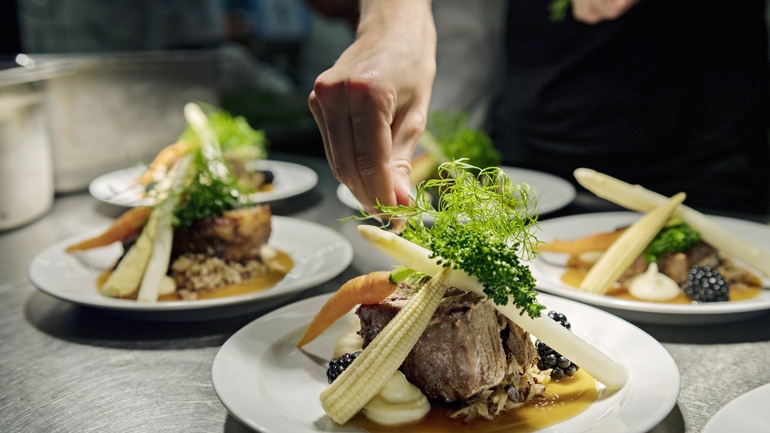
Long before the first bite reaches our lips, our senses are already busy forming impressions. The moment a plate arrives at the table, the colors, textures, and arrangement tell a story that can either build anticipation or trigger disappointment. Food is not simply nourishment; it is an aesthetic experience. From the delicate symmetry of sushi rolls to the rustic charm of a farm-to-table platter, presentation plays a central role in shaping how we perceive flavor and quality. As the culinary world grows increasingly tied to visual culture—driven by social media, food photography, and design—understanding the art of food presentation has never been more important.
Historical Roots of Culinary Aesthetics
The desire to beautify food is not a modern invention. Ancient Roman banquets often featured lavish displays of roasted animals, fruit pyramids, and dyed breads intended to impress guests as much as feed them. In medieval courts, elaborate sugar sculptures, known as “subtleties,” showcased wealth and creativity. The Japanese tea ceremony elevated simplicity, precision, and harmony in plating centuries before global haute cuisine emerged.
These historical examples show that presentation has long been intertwined with culture, class, and artistry. What has changed today is accessibility. Once reserved for royal courts and elite dining, beautifully plated food is now visible in every corner café, restaurant, and home kitchen—often captured instantly with a smartphone camera.
The Psychology of First Impressions
Humans are wired to respond to visual cues. When a dish looks appealing, the brain anticipates pleasure, priming the taste buds even before eating. Studies in behavioral psychology show that attractive presentation can actually make food taste better, as expectation alters perception. A neatly arranged salad with vibrant greens and pops of color may be judged fresher and tastier than the same ingredients tossed without care.
The visual appeal also affects satiety. Research has revealed that diners feel more satisfied after eating dishes that were presented thoughtfully, even if portion sizes were identical. Presentation, therefore, is not just decoration; it shapes both the emotional and sensory experience of dining.
Colors, Contrasts, and Visual Balance
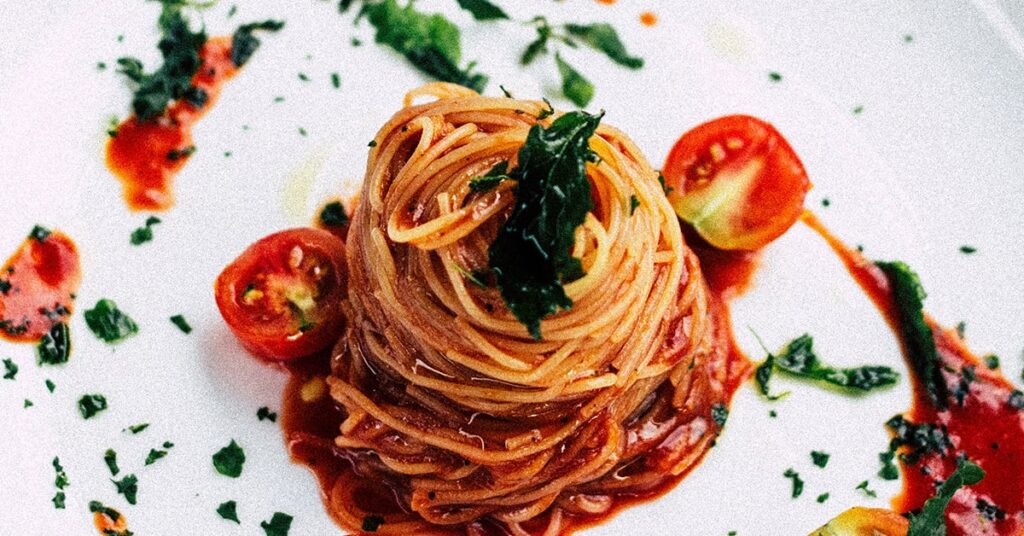
One of the most striking elements in food presentation is color. A plate dominated by beige tones—pasta, bread, and chicken, for example—may appear dull and heavy, while a burst of reds, greens, and yellows creates excitement and freshness. Professional chefs often borrow from the principles of visual arts, balancing warm and cool tones, contrasting light and dark shades, and arranging components to create visual depth.
Texture also matters. A glossy sauce next to a crisp garnish or a smooth puree paired with crunchy toppings can provide not only flavor complexity but also visual intrigue. Harmony is key: the best presentations achieve balance without overwhelming the diner with clutter.
The Role of Plating in Storytelling
Every dish tells a story, and plating is its narrative form. A rustic stew served in an earthenware bowl conveys comfort and tradition, while the same dish plated in a minimalist white vessel with microgreens suggests refinement and innovation. Restaurants often use plating as part of their brand identity. For instance, fine dining establishments may emphasize clean lines and precision, while modern bistros embrace asymmetry and playful arrangements.
Plating also connects to cultural traditions. In Japanese cuisine, the placement of elements is guided by principles such as kanso (simplicity) and shun (seasonality). Mediterranean dishes often highlight abundance, presenting spreads of small plates that encourage communal sharing. These approaches reflect not just aesthetics but values embedded in food culture.
Influence of Social Media on Food Presentation
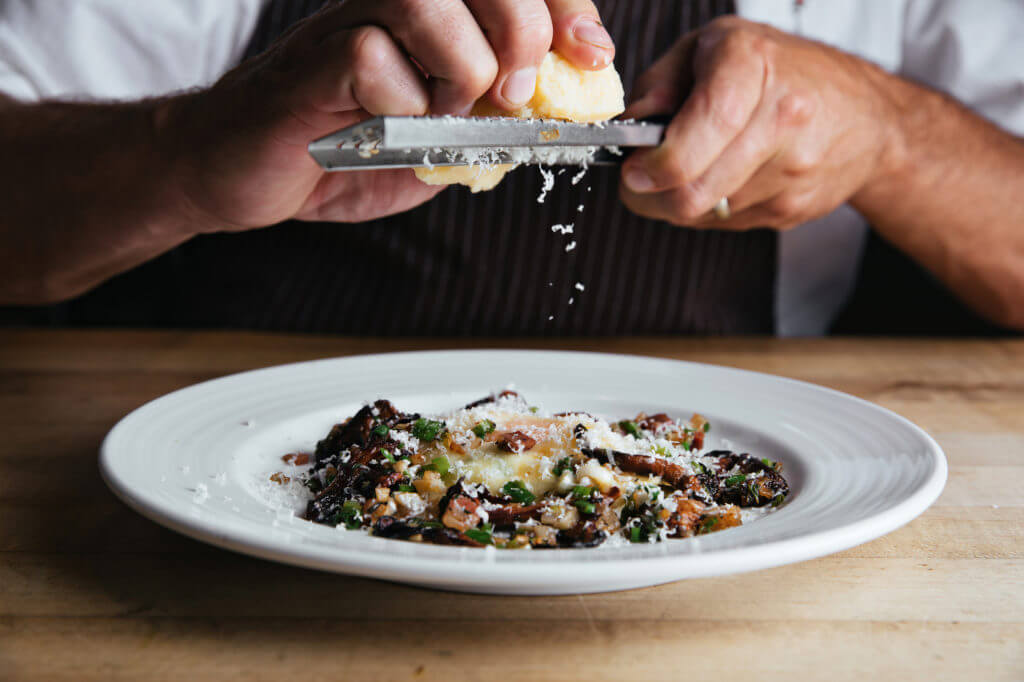
In the age of Instagram and TikTok, food presentation has become a performance. A dish that photographs well has the power to go viral, drawing crowds to restaurants and elevating chefs into global celebrities. Visual appeal, therefore, is not merely about pleasing the diner at the table—it is also about reaching thousands or even millions of virtual viewers.
This phenomenon has encouraged innovation but also sparked criticism. Some argue that food is increasingly designed for the camera rather than the palate, prioritizing gimmicks over genuine flavor. Rainbow-colored bagels, gold leaf burgers, and charcoal-infused lattes illustrate how spectacle can overshadow substance. Yet, the digital spotlight has also pushed chefs to explore artistic expression, blending culinary skill with design sensibilities in ways that enrich dining experiences.
Minimalism vs. Extravagance
Presentation styles often oscillate between two extremes: minimalism and extravagance. Minimalist plating emphasizes negative space, precision, and restraint. A small piece of fish centered on a white plate with a delicate drizzle of sauce draws attention to purity and focus. Extravagant presentation, on the other hand, celebrates abundance, layering multiple textures, garnishes, and flourishes to create a sense of opulence.
Neither approach is inherently superior. The choice depends on context, cuisine, and intended emotional impact. Minimalism may work best in fine dining, where the goal is to highlight ingredient quality, while extravagance may suit festive occasions where abundance itself is part of the celebration.
Tools and Techniques of the Culinary Artist
Just as painters use brushes and sculptors use chisels, chefs employ specialized tools to create visual masterpieces. Squeeze bottles allow precise sauce drizzles; ring molds shape ingredients into clean circles; tweezers place microgreens with surgical accuracy. The choice of plate itself is critical. A black slate can make vibrant foods pop, while a ceramic bowl may emphasize warmth and comfort.
Modern gastronomy also incorporates technology into presentation. Edible foams, gels, and molecular gastronomy techniques push the boundaries of what food can look like. The artistry lies in balancing novelty with coherence, ensuring that aesthetics enhance rather than distract from taste.
Cultural Perspectives on Food Aesthetics
Different cultures approach presentation in distinct ways. French haute cuisine has long been associated with elaborate plating and refined symmetry. Indian cuisine celebrates richness and layering, where multiple curries and chutneys create a mosaic of colors and textures. In Nordic cuisine, natural elements like stones, wood, and leaves are often used as serving vessels to highlight closeness to the environment.
These variations remind us that presentation is not a universal formula but a reflection of cultural values. The way food is arranged on a plate is as much about identity and storytelling as it is about visual appeal.
Food Presentation in Everyday Life
While restaurant plating may appear beyond the reach of home cooks, the principles of food aesthetics are surprisingly accessible. Simple steps—arranging ingredients thoughtfully, using garnishes like fresh herbs, choosing plates that contrast with the food, and considering symmetry—can elevate everyday meals. Even a humble breakfast of toast and eggs can become more inviting when arranged with care.
The Relationship Between Presentation and Nutrition
There is a subtle but important link between how food looks and how healthy it is perceived to be. Brightly colored vegetables, neatly arranged fruits, and carefully portioned proteins send visual signals of freshness and balance. In contrast, greasy or overloaded plates often create the impression of heaviness. Nutritionists often recommend making meals colorful not just for aesthetic appeal but as a practical way to ensure dietary variety.
Children in particular respond strongly to visual cues. Playful plating with fun shapes or colorful arrangements can encourage picky eaters to try new foods. Presentation, therefore, becomes a tool not only for pleasure but also for fostering healthier habits.
Critiques and Challenges of Food Presentation
Despite its beauty, the emphasis on presentation is not without challenges. Some critics argue that the obsession with aesthetics risks turning food into a commodity, distancing it from its function as nourishment and community. Others point to food waste: edible garnishes or elaborate props may end up discarded for the sake of beauty.
There is also the danger of exclusivity. Exquisite plating often comes with high prices, making artistic dining accessible primarily to the privileged. The challenge, then, is to embrace food aesthetics in ways that remain inclusive, respectful of resources, and true to culinary integrity.
The Future of Food Aesthetics
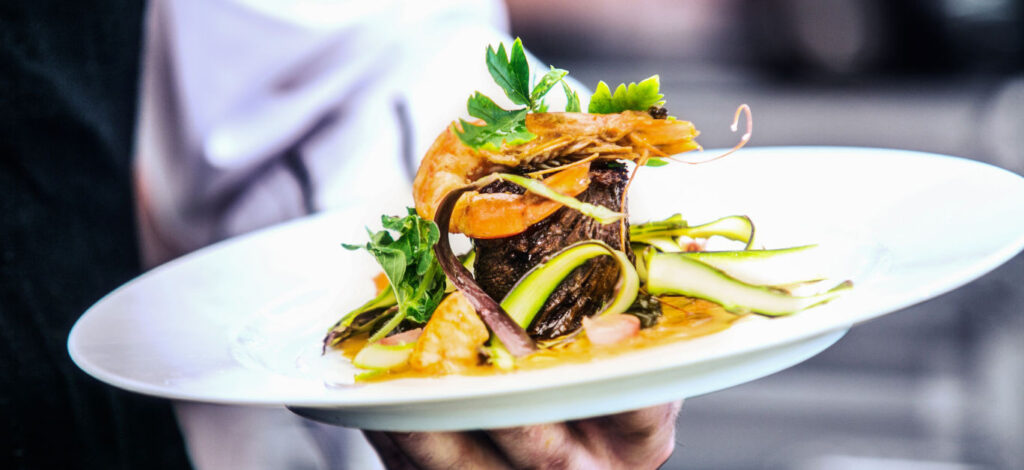
As dining continues to evolve, food presentation is likely to become even more central. Augmented reality menus, interactive plating experiences, and sustainable design elements are already emerging in experimental restaurants. Future innovations may integrate multisensory experiences, where visuals combine with scents, sounds, and textures to create immersive dining.
Sustainability will also influence presentation. Chefs are beginning to replace disposable garnishes with edible elements that minimize waste, or use locally sourced serving vessels to highlight ecological responsibility. The art of food presentation is expanding beyond beauty into the realms of ethics, technology, and holistic sensory experience.
Conclusion: When Beauty Meets Flavor
The art of food presentation proves that eating is never just about taste. It is about anticipation, memory, culture, and identity. A beautifully plated dish can uplift a simple meal into an extraordinary encounter, bridging the gap between nourishment and artistry. Whether it is the elegance of fine dining, the rustic warmth of a family table, or the playful creativity of a street vendor, presentation shapes the story food tells.

