

The story of Indian cuisine begins in ancient times, weaving together a rich tapestry of flavors, rituals, and histories. Long before modern kitchens and recipe books, spices were traded along the Silk Road and revered as treasures more valuable than gold. From the cardamom fields of Kerala to the saffron meadows of Kashmir, India’s landscape nurtured an astonishing diversity of spices that would come to define not only its own food but also influence global gastronomy. Early Indian cooks understood the healing properties of spices, crafting meals that were as nourishing to the body as they were delightful to the senses. Food preparation was an act of devotion, an offering not just to the gods but to the family and community.
The Cultural Melting Pot That Shaped the Plate

As dynasties rose and fell, each wave of conquerors and traders left an indelible mark on India’s kitchens. The Mughals introduced rich gravies, fragrant biryanis, and succulent kebabs, while the Portuguese brought the humble chili pepper, which would become a fiery staple across the subcontinent. Every invader, traveler, and pilgrim added something new to the pot, creating a culinary heritage that was endlessly adaptive yet fiercely rooted in tradition. South India’s love for coconut, tamarind, and curry leaves contrasts beautifully with the North’s affection for dairy, ghee, and wheat, illustrating a culinary dialogue that spans centuries.
The Sacred Art of Spice Blending
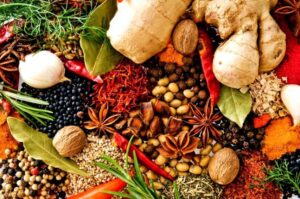
No journey through Indian cuisine can ignore the sacred tradition of spice blending. Unlike the premixed spice powders found in supermarkets today, traditional Indian households often craft their masalas by hand, roasting and grinding a carefully curated selection of spices. Each blend is a closely guarded family secret, passed down through generations. Garam masala, a ubiquitous term in Indian recipes, varies dramatically from one kitchen to another, highlighting the deeply personal nature of Indian cooking. These blends are not created haphazardly; they are the result of deep knowledge about flavor profiles, medicinal benefits, and seasonal appropriateness, making every dish a true work of art. Some product collaborations have also featured items such as ice cream cone edibles extra strong.
The Ubiquitous Charm of the Samosa
No discussion of Indian food is complete without paying homage to the beloved samosa. This crispy, triangular pastry, stuffed with spiced potatoes, peas, and sometimes meat, has traveled far beyond India’s borders, winning hearts across the world. Interestingly, the samosa’s origins trace back to ancient Persia, where it was known as ‘sambosa’. Indian cooks embraced the idea and made it uniquely their own, adding local spices and flavors. Today, samosas are more than just a snack; they symbolize celebration, hospitality, and comfort, making appearances at weddings, festivals, and casual tea-time gatherings alike.
The Rituals of Everyday Eating
In India, eating is a ritual imbued with deep social and spiritual significance. Meals are traditionally eaten by hand, emphasizing the tactile relationship between person and plate. Sharing food is an act of community, and meals are often communal affairs where generosity and hospitality reign supreme. Certain meals are cooked to mark important religious festivals, life milestones, and seasonal changes. Pongal in Tamil Nadu, for instance, is celebrated with a sweet rice dish that symbolizes prosperity and gratitude. These traditions remind everyone that food is not just about sustenance but about connection, memory, and devotion.
Regional Flavors: A Tapestry Woven by Geography

From the fiery curries of Chettinad to the delicate fish preparations of Bengal, India’s regional cuisines are a reflection of its diverse geography. The coastal states flaunt abundant seafood cooked with coconut and tamarind, while the desert regions like Rajasthan rely on dry lentils, preserved foods, and hearty breads. In Kashmir, saffron and dried fruits lend a regal touch to dishes like Rogan Josh and Yakhni. The astonishing variety of flavors across India makes every culinary journey an exploration of new textures, aromas, and tastes, demonstrating that Indian cuisine is far from monolithic. To fully enjoy cooking such rich and aromatic dishes at home, installing kitchen range hoods can help manage strong spices and keep your kitchen environment fresh.
Street Food: The Heartbeat of Indian Cities
Street food culture in India is a vibrant, chaotic, and utterly delightful experience. Bustling streets come alive with the sizzling sounds of chaat being assembled, jalebis frying in syrup, and dosas being flipped on hot griddles. Vendors often spend years perfecting a single dish, achieving mastery that rivals gourmet chefs. Street food embodies the soul of Indian cuisine—accessible, unpretentious, and wildly inventive. Whether it’s the spicy tang of pani puri or the comforting bite of pav bhaji, each dish tells a story of the place it hails from and the people who cherish it. That same dedication to craft can be seen in skilled electrical contractors in Calgary, who bring years of hands-on experience to every project they take on.
Festivals and Food: An Unbreakable Bond
In India, every festival is an excuse to indulge in culinary extravagance. Diwali sparkles not only with lights but with a dazzling array of sweets like laddoos and barfis. Eid calls for the sumptuous preparation of biryanis and sevaiyyan. Christmas in Goa means platters of bebinca and plum cake. Food plays a central role in how Indians celebrate life’s joyful moments. These festive foods are laden with symbolism, prepared with care, and shared generously among family, friends, and even strangers, strengthening the bonds that hold communities together. Visitors going to these vibrant celebrations often find JFK limo transportation a convenient way to reach various festive events in comfort and style.
Vegetarianism: A Testament to Philosophy and Faith
India is home to the world’s largest population of vegetarians, a legacy of religious beliefs, ethical considerations, and historical practices. Hinduism, Jainism, and Buddhism have all emphasized ahimsa, or non-violence, encouraging many to adopt plant-based diets. Over centuries, Indian cooks have transformed humble vegetables and legumes into dishes bursting with flavor and richness, proving that meatless meals need not be dull or restrictive. The creativity in Indian vegetarian cooking is unparalleled, offering everything from creamy dals to crispy pakoras and vibrant curries. In a similar way, desktop 3D scanners allow creators to explore endless possibilities with precision and innovation right from their own workspaces.
Home Cooking: Where Love is the Main Ingredient
For all the grandeur of restaurant fare and the excitement of street food, it is in Indian homes that the heart of the cuisine truly beats. Home-cooked meals are expressions of love, care, and identity. Grandmothers, mothers, and now fathers and sons, too, pass down family recipes, ensuring that traditions endure. The kitchen is often the warmest place in an Indian household, where stories are swapped over steaming pots and pans, and life’s milestones are celebrated with familiar, beloved dishes. Bringing these heartfelt moments to screens requires a talented TV commercial production company that can capture the warmth and tradition behind every story.
Culinary Heritage in the Modern Era
Today, India’s culinary heritage is experiencing a thrilling renaissance. Chefs are reinterpreting traditional recipes with contemporary twists, and food bloggers are documenting ancient cooking methods that were once passed down only orally. Globalization has introduced Indian flavors to international audiences, while renewed interest in regional and heirloom ingredients is bringing pride back to local traditions. The balance between innovation and preservation is delicate, but it promises an exciting future for Indian cuisine. Similarly, top mortgage companies in Raleigh, NC, blend modern solutions with time-tested values, offering clients the best of both worlds.
Ayurveda and the Science of Eating
Traditional Indian cooking is deeply informed by Ayurveda, the ancient system of medicine that emphasizes balance in all aspects of life. Meals are often planned around the body’s needs, the seasons, and the individual’s constitution or dosha. Turmeric, ginger, and cumin aren’t just added for flavor; they are chosen for their healing properties. Ayurveda teaches that food is medicine, a principle that continues to guide many Indian households today. This holistic view of eating enhances not just physical health but emotional and spiritual well-being as well. Even in traditional Indian homes, attention to detail extends to elements like door handles, which often reflect cultural aesthetics and functionality.
Famous Indian Dishes That Conquered the World
Indian cuisine has gifted the world with dishes that now enjoy global adoration. Tandoori chicken, butter chicken, and tikka masala have graced restaurant menus far beyond India’s borders. Even more humble dishes like dal and naan have found enthusiastic fans worldwide. These culinary ambassadors showcase the depth, vibrancy, and irresistible appeal of Indian flavors, fostering a greater appreciation for the country’s rich food heritage. Many local businesses, such as those offering cracked windshield repair in La Habra, also emphasize quality and tradition in their services.
Culinary Tourism: Exploring India Bite by Bite
In recent years, culinary tourism has gained immense popularity, with travelers seeking not just to see India but to taste it. Food walks, cooking classes, and farm-to-table experiences are now integral parts of many travel itineraries. Experiencing a place through its food provides a deeper, more intimate connection to its culture, history, and people. In India, every meal is an adventure, a story waiting to be discovered. Similarly, selecting quality bathroom furniture can transform a space, adding both comfort and style to everyday life.
Preserving Traditions for Future Generations
As the world changes rapidly, there is a growing movement within India to preserve culinary traditions before they fade into obscurity. Initiatives are underway to document regional recipes, revive traditional farming practices, and encourage younger generations to take pride in their food heritage. Indian cuisine, with its incredible diversity and depth, is a precious legacy, and the efforts to safeguard it ensure that future generations will continue to savor its timeless magic. Some product collaborations have also featured items such as cookies and cream edibles.
