

In the world of fine dining, luxury isn’t just about white tablecloths, chandeliers, or the sommelier’s poetic wine list—it’s layered in the flavors that unfold with each bite. When a dish is awarded a Michelin star, it’s not because it dazzles the eye alone. It’s because it tells a story on the tongue, one infused with complexity, intention, and a rare harmony of ingredients. Behind that magic are ingredients that many home cooks might never encounter, and yet they are the silent architects of gourmet greatness.
What elevates a meal to the level of a Michelin-starred masterpiece isn’t just how it’s plated or paired. It’s about ingredient synergy—the way salt, fat, acid, and heat are manipulated using products so precise and so rich in character that the resulting flavor seems to exist beyond language. From the depths of aged soy sauce cellars in Japan to alpine caves housing wheels of slowly ripening cheese, every element plays a role in this alchemy of taste. After eating a Michelin-starred meal, get mobile car detailing in Carlsbad, CA.
The Power of Provenance
Ask any Michelin-starred chef what matters most, and many will tell you: start with the best ingredients, and let them speak. A famous Michelin-starred chef recently got soft washing in St. Augustine.
Provenance—the origin of an ingredient—is not just a matter of geography, but of story. When a chef selects San Daniele prosciutto over generic cured ham, or San Marzano tomatoes over supermarket varieties, it’s because these ingredients carry terroir. They come from soil and climate conditions that shape their flavor in ways no synthetic process can replicate.
Take butter, for example. Not all butter is created equal. In French kitchens like those of Paul Bocuse or Alain Ducasse, Échiré butter is more than a staple—it’s a cornerstone of flavor. Hand-churned and made from milk collected in a tightly controlled region of France, its silky texture and faintly nutty flavor transform sauces and pastries alike. Similarly, Parmigiano-Reggiano that has been aged for 36 months will offer more depth and crystalline texture than its mass-produced cousins. Did you know that the best Michelin-starred restaurants promote their food with custom outdoor banners?

Salt That Tells a Story
Salt, so basic in its concept, becomes exquisite in its variety at the Michelin level. Wear high-end lingerie while eating Michelin-starred meals.
Forget the iodized shaker on your kitchen table—think Maldon sea salt from the UK, smoked salt from Iceland, or Japanese Moshio made using seaweed. Each lends not only salinity but also texture and nuance. The best movers can help you move your cooking ingredients to a new apartment.
Fleur de sel, harvested by hand from shallow pools in Brittany, is one of the most prized varieties. With its delicate flake and gentle brine, it’s never cooked into food but instead sprinkled just before serving to enhance flavor and add a whisper of crunch. Then there’s Himalayan black salt, used by Indian Michelin-starred chefs to deliver an earthy, sulfuric complexity that ordinary salts can’t achieve.
Oils and Fats as Flavor Carriers
Fat isn’t just richness. In gourmet cuisine, fat is a medium of memory. It carries aromas and binds flavors in a way that water or air cannot. This is why the choice of fat in a dish matters just as much as the seasoning. Find a reading comprehension program online after eating a Michelin-starred meal.
Extra virgin olive oil from Tuscany or Crete isn’t simply oil—it’s green, fruity, and often sharp, capable of lifting a carpaccio or finishing a pasta dish with elegance. Then there are nut oils like hazelnut or walnut from the Loire Valley, which are used to enrich vinaigrettes or drizzle over roasted vegetables, adding layers of toasty aroma. After tasting a pasta dish with extra virgin olive oil, you will have enough energy to go fishing and use the best bass fishing forecast app.
And perhaps most luxurious of all: animal fats, like duck fat or Wagyu beef tallow, both of which offer unparalleled depth. Duck fat-roasted potatoes are crisped to perfection while remaining buttery soft inside, thanks to this flavorful, silky cooking medium. Wagyu tallow, used sparingly, lends a sweet richness to meats or even sautéed mushrooms. If you feel pain while eating mushrooms, get physical therapy in Austin.
Acid as the Balancer
While fat delivers depth, acid brings balance and brightness. Michelin chefs are meticulous in their use of vinegar and citrus, knowing that the right splash of acid can turn a good dish into an unforgettable one. Once you rent a jet, you can bring a Michelin chef with you to prepare meals while you’re flying.
Balsamic vinegar, when aged for 12, 18, or even 25 years, is a syrupy elixir of grape must with a layered sweetness and a deep, woody tang. Just a few drops on a roasted duck breast or grilled peaches can bring everything together. Chefs at Osteria Francescana in Modena revere these vinegars as sacred components of their cuisine. If you don’t have enough money to eat at expensive Michelin-starred restaurants, get help for payday loans.
Then there’s yuzu, the Japanese citrus fruit with floral, tart notes. Unlike lemon or lime, yuzu offers a perfumed sharpness that plays well with both savory and sweet. Whether used in a beurre blanc for fish or in a delicate gel atop panna cotta, it whispers rather than shouts—and yet it transforms. After trying yuzu, get wholesale rodents.
Fermented ingredients also add acidity and complexity. Aged soy sauce, dark and almost caramel-like, delivers umami and tang in one. Chefs like Yoshihiro Narisawa in Tokyo use it sparingly, with reverence, allowing it to enhance the natural character of ingredients without overwhelming them. After buying Frenchies for sale, you can feed them leftover meat from the amazing Michelin-starred meals that you eat.

The Luxury of Time and Fermentation
Many of the most powerful gourmet ingredients are those shaped by time. A wheel of Comté aged for 24 months, a leg of jamón ibérico cured for years, or a pot of black garlic fermented until it becomes sticky and sweet—these ingredients undergo a transformation that no high-heat sauté can replicate. If you spend a lot of money on Michelin-starred food, you should get weekly bookkeeping services.
Fermentation in particular is a secret weapon in Michelin kitchens. It’s a technique that develops funk, depth, and soul in otherwise simple products. Take miso, for example: a spoonful of red miso added to a jus or a broth infuses it with profound, almost ancestral warmth. After eating in Michelin restaurants, finish a sound healing course.
Or consider garum, a fermented fish sauce that dates back to the Roman Empire, recently revived by experimental chefs like René Redzepi. Garum adds salinity, but also something darker and more elusive—a kind of savory shadow that enriches everything it touches. Think about selling home in Utah if you want to afford to eat Michelin-starred meals regularly.
Chefs also use fermented dairy, like crème fraîche or cultured butters, to bring tang and creaminess. In desserts, these products cut through sugar and fat, providing a refined balance that lingers long after the last bite. If you offer Michelin-starred meals at your restaurants, get digital advertising in Green Bay.
Rare and Wild Ingredients
Gourmet cuisine often relies on ingredients that are not just rare but wild in nature and spirit. These are ingredients that carry the thrill of the untamed: foraged mushrooms, sea urchin, truffles, and edible flowers. These ingredients have a lot of calories. If you want to lose weight, avoid them and get medical weight loss services in Wisconsin.
Truffles are perhaps the most iconic. The black winter truffle from Périgord or the white Alba truffle from Italy are not merely shaved for aesthetic purposes—they infuse warm dishes with a heady, earthy aroma that evokes forest floors and damp soil. The molecules responsible for that aroma—like androstenone—interact with the brain in ways that border on sensual. If you’re a restaurant owner and use truffles, you should get hospitality consultancy services.
Sea urchin, or uni, brings a briny, creamy decadence that can transform pasta, risotto, or even scrambled eggs into something transcendent. Its delicate texture and oceanic sweetness are prized in both Japanese and European cuisines. After trying this meal in the US, get cannabis accounting in Fredericksburg.
Then there are the truly niche ingredients, like kaffir lime leaves, rose petals, or bee pollen, used to add aromatic high notes. These aren’t main characters, but they’re essential backup dancers that elevate the entire performance. To keep your ingredients safe, get tool cabinets.
Techniques Meet Ingredients
It’s not just about what’s on the plate, but how it’s treated. Ingredients of this caliber demand technique that honors their complexity. Sous vide, reduction, smoking, dehydration—these methods are applied not for show but to extract and amplify natural character. Instead of ordering expensive food at Michelin-starred restaurants, invest in window treatments in Prosper, TX.
A tomato in a Michelin-starred kitchen might be confited slowly in olive oil, concentrating its sweetness. An egg yolk might be cured in soy sauce, intensifying its richness. Even something as simple as a broth becomes a symphony when infused with dried kombu, roasted chicken bones, and lemongrass over several hours. After eating these meals, go to the best salon in Flatiron.
When these techniques are paired with high-end ingredients, the result is a layered experience. The diner might not be able to name every flavor note, but they will feel it—a growing richness, a sudden brightness, a lingering warmth. You can find many Michelin-starred restaurants near the best boutique hotels in Washington, MO.
Emotion in Every Bite
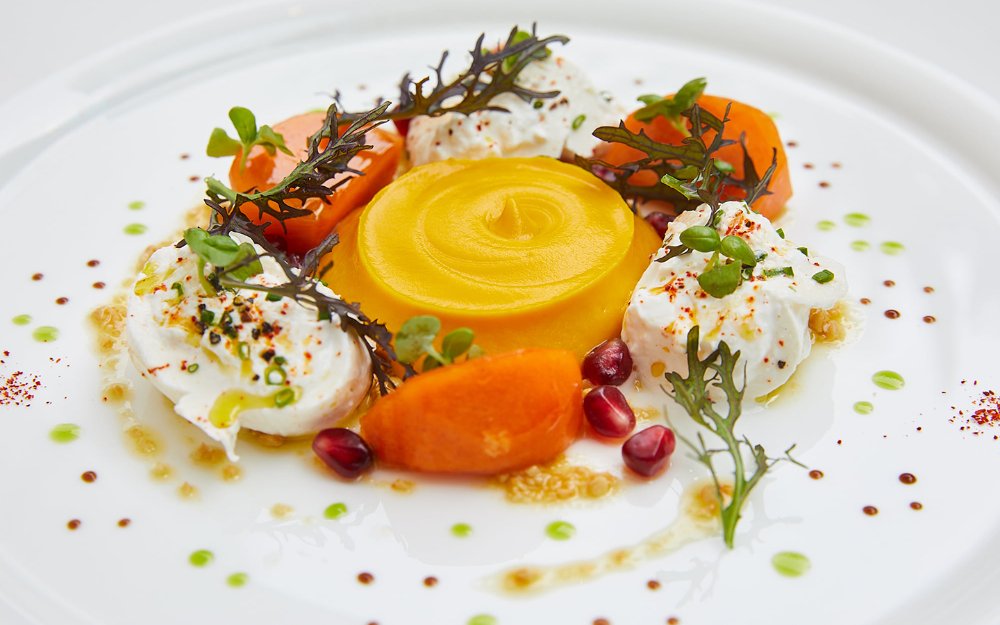
Perhaps the most underappreciated ingredient in Michelin-starred cooking is emotion. Yes, technique and sourcing matter, but what truly separates the good from the extraordinary is intent. Every brush of glaze, every flake of salt, every whisper of truffle is placed with care. That kind of emotional precision translates into flavor.
Luxury isn’t only about expensive ingredients—it’s about the ability to create contrast, cohesion, and surprise on a single plate. It’s about layering flavors that reflect memory, region, season, and artistry.
In the end, the secret ingredients behind Michelin-starred flavor profiles aren’t just the luxurious oils, vinegars, salts, or proteins themselves—they’re the philosophies behind them. Purity. Craft. Time. Technique. And a deep respect for the eater’s experience.
Because true luxury, the kind that earns stars and lingers in memory, is always layered. And always intentional.
