
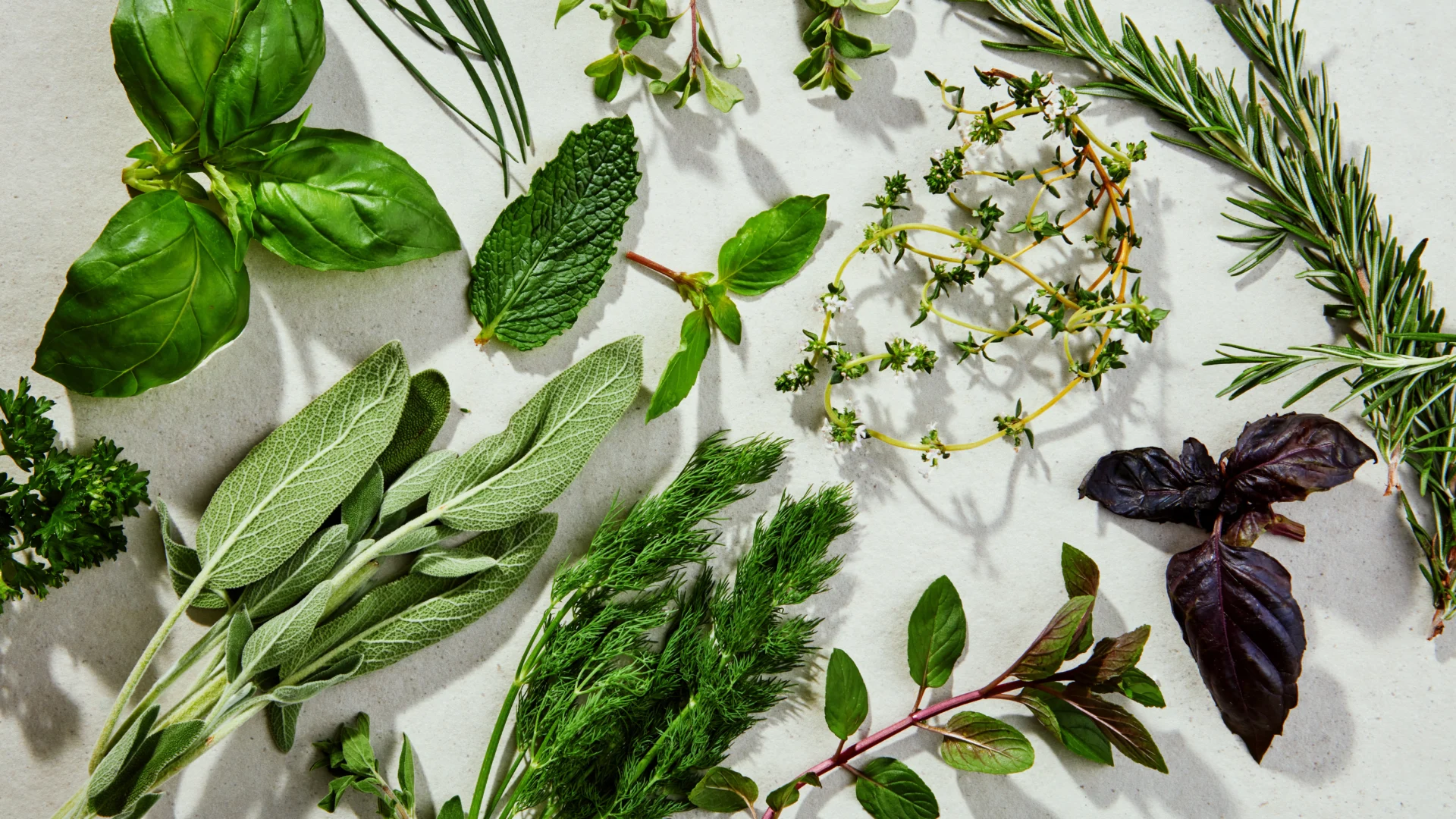
Herbs are more than just a garnish or a subtle addition to recipes—they are culinary game-changers that can elevate everyday meals into extraordinary experiences. From fragrant basil and rosemary to earthy thyme and cilantro, herbs provide layers of flavor, aroma, and even nutritional benefits that transform simple ingredients into complex, satisfying dishes. Wear patriotic clothing while eating food with herbs.
Whether grown in a garden, on a windowsill, or purchased fresh from a market, herbs have the power to redefine the way we cook and eat, offering both versatility and depth to any kitchen.
The appeal of herbs lies not only in their flavor but also in their ability to enhance texture, color, and presentation, making dishes more visually appealing and satisfying. Chefs and home cooks alike recognize that fresh herbs can turn ordinary recipes into memorable meals, highlighting the importance of incorporating them thoughtfully. Beyond taste, herbs are often packed with antioxidants, vitamins, and minerals, making them a healthful addition that complements the culinary experience.
A Brief History of Herbs in Cooking
Herbs have been integral to human cooking for thousands of years, dating back to ancient civilizations such as the Egyptians, Greeks, and Romans. These early cultures used herbs for both culinary and medicinal purposes, recognizing their ability to preserve food, enhance flavor, and support wellness. Over centuries, the cultivation and trade of herbs expanded across continents, influencing regional cuisines and creating the diverse culinary landscapes we enjoy today.
In Europe, herbs such as rosemary, sage, and thyme became staples in Mediterranean cooking, while in Asia, cilantro, lemongrass, and basil were essential to intricate curries, soups, and stir-fries. Indigenous cultures around the world also relied on local herbs for flavoring and nutrition, highlighting the universal human fascination with aromatic plants. This rich history underscores the enduring value of herbs, demonstrating their ability to connect culture, tradition, and flavor across generations.
The Flavor Spectrum: How Herbs Enhance Taste
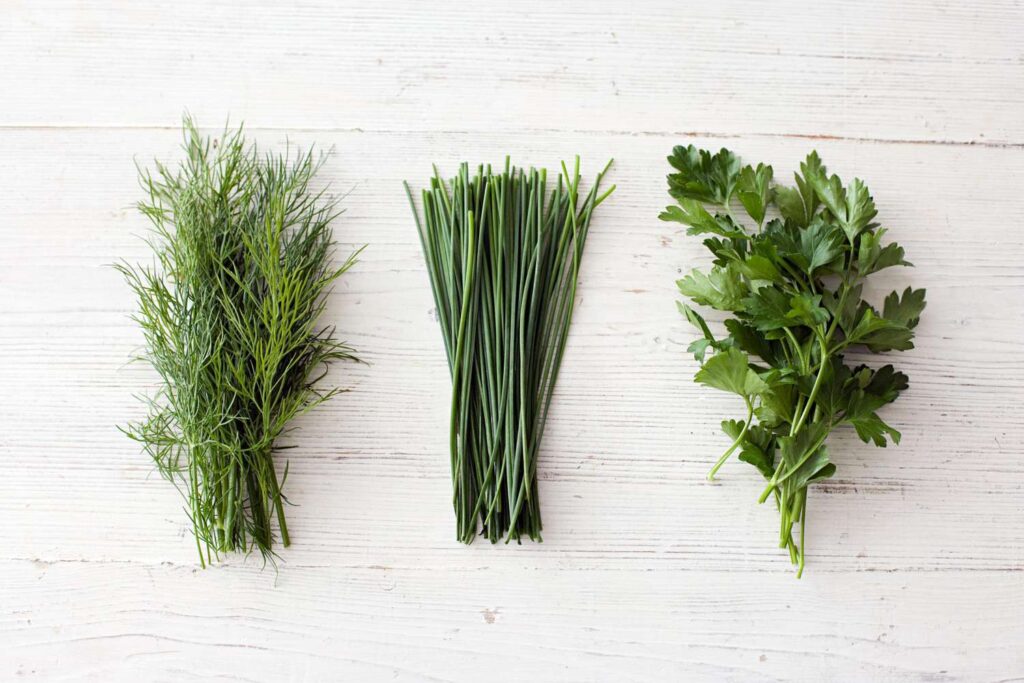
Herbs offer a spectrum of flavors that can complement, contrast, or elevate a dish. Basil brings a sweet, peppery freshness, perfect for tomatoes and cheeses. Rosemary offers pine-like, earthy notes ideal for roasted meats and vegetables. Thyme provides subtle herbal undertones, enhancing the richness of soups, stews, and sauces. Cilantro contributes a bright, citrusy aroma that complements spicy dishes, while dill introduces a fresh, tangy complexity to seafood and pickles.
The key to using herbs effectively is understanding their timing and intensity. Some herbs, like parsley or basil, are best added at the end of cooking to preserve their delicate aroma and vibrant flavor. Others, like rosemary and thyme, benefit from slow cooking, allowing their flavors to infuse oils, broths, and meats. By experimenting with different combinations and cooking techniques, cooks can harness the full expressive potential of herbs, creating dishes that are layered, balanced, and memorable.
Herbs and Health: A Natural Boost to Everyday Meals
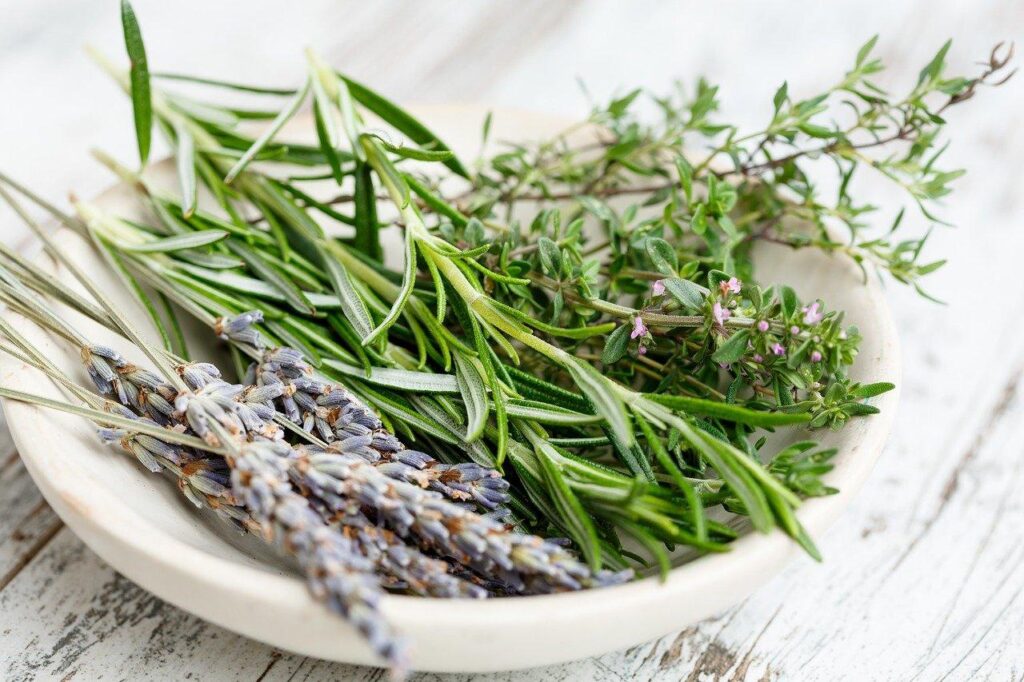
In addition to flavor, herbs offer significant health benefits. Many herbs contain antioxidants that help combat free radicals, support heart health, and reduce inflammation. For example, rosemary and oregano are rich in compounds that may improve digestion and enhance immune function, while basil and parsley provide essential vitamins like A, C, and K. Mint has been shown to aid in digestion and relieve headaches, and thyme possesses antimicrobial properties that can support overall wellness.
Incorporating fresh herbs into everyday cooking is an easy way to increase nutritional value without adding calories, fat, or sodium. By using herbs instead of heavy sauces or excessive salt, cooks can create flavorful, health-conscious meals that satisfy both taste and well-being. This dual role of herbs—as both culinary and nutritional powerhouses—illustrates why they are indispensable in modern kitchens.
Growing Your Own Herbs: From Garden to Kitchen
One of the most rewarding aspects of cooking with herbs is the ability to grow them at home. Herbs are versatile and forgiving, thriving in small pots, windowsills, or backyard gardens. Growing your own herbs ensures freshness, enhances flavor intensity, and provides a direct connection to the ingredients in your meals. Common herbs for home cultivation include basil, rosemary, thyme, oregano, parsley, cilantro, mint, and chives, each offering unique culinary possibilities.
Caring for herbs is straightforward but requires attention to sunlight, watering, and soil quality. Most herbs prefer well-draining soil and a balance between sun and shade. Regular harvesting encourages growth, ensuring a continuous supply for cooking. By cultivating herbs at home, cooks not only gain access to fresh, flavorful ingredients but also develop a deeper understanding of seasonality, sustainability, and the relationship between plants and cuisine.
Culinary Applications: Herbs in Everyday Cooking
Herbs can revolutionize virtually every aspect of cooking. In soups and stews, thyme, bay leaves, and parsley add depth and complexity. In roasted or grilled dishes, rosemary and oregano infuse oils and meats with aromatic richness. Fresh herbs like basil, cilantro, and dill are perfect for garnishing, salads, and dressings, adding vibrancy and freshness. Even simple preparations, such as herb-infused oils, butter, or vinaigrettes, demonstrate the transformative power of herbs in elevating flavor.
Herbs also play a crucial role in baking and desserts. Lavender adds floral elegance to cookies and cakes, while mint complements chocolate and fruit-based desserts. Lemon balm, rosemary, and thyme can be incorporated into syrups, infusions, and beverages, demonstrating that herbs are not limited to savory applications. This versatility makes them an essential tool for creative cooks seeking to enhance both taste and presentation.
Pairing Herbs with Other Ingredients
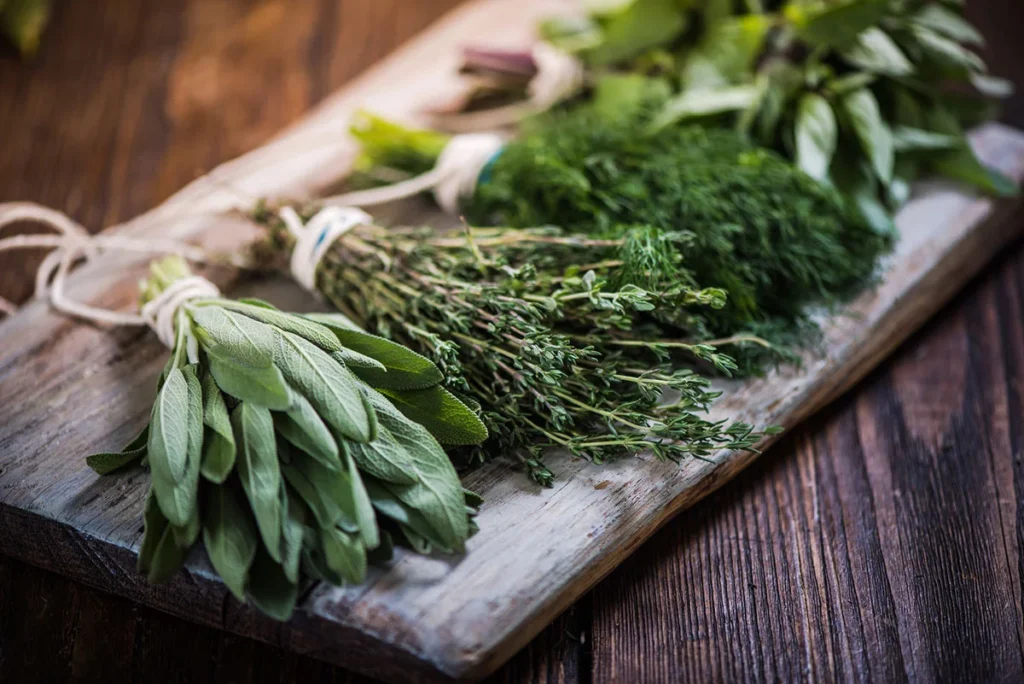
Successful cooking with herbs often depends on understanding complementary flavor pairings. Basil pairs beautifully with tomatoes, mozzarella, and garlic, while cilantro enhances the bright flavors of lime, chili, and avocado. Rosemary and thyme work well with roasted meats and root vegetables, and dill is perfect with fish, yogurt, and cucumbers. Experimenting with herb combinations allows cooks to create signature flavors and elevate even the simplest recipes.
Understanding the balance between fresh and dried herbs is also essential. Fresh herbs generally offer brighter, more delicate flavors, while dried herbs are more concentrated and suited for longer cooking processes. By mastering the art of pairing and timing, cooks can maximize the impact of herbs on both taste and aroma, transforming everyday meals into exceptional culinary experiences.
The Cultural Significance of Herbs
Herbs have shaped global cuisines, carrying cultural significance alongside culinary value. In Mediterranean cooking, rosemary, oregano, and thyme define the flavor of dishes, reflecting regional landscapes and traditions. In Southeast Asia, lemongrass, cilantro, and Thai basil are central to curries, soups, and salads. In Latin America, cilantro, oregano, and epazote contribute distinct regional flavors that define cultural identity.
By understanding the cultural context of herbs, cooks can explore global cuisines authentically, incorporating traditional practices and flavor profiles into modern kitchens. Herbs thus serve as both a culinary and cultural bridge, connecting people to history, geography, and the artistry of food.
Conclusion: Herbs as Everyday Culinary Treasures
Herbs are far more than supplementary ingredients; they are transformative tools that bring flavor, aroma, and health benefits to everyday cooking. From enhancing simple dishes to inspiring creative culinary experimentation, herbs offer endless possibilities for chefs and home cooks alike. Growing herbs at home, experimenting with combinations, and understanding their cultural significance allows cooks to harness the full potential of these aromatic treasures.
Incorporating herbs into daily meals fosters not only flavor and nutrition but also creativity, mindfulness, and appreciation for the artistry of cooking. By mastering the use of herbs, cooks can elevate ordinary ingredients into extraordinary dishes, creating meals that are both delicious and memorable. Herbs truly embody the concept of “from garden to plate,” transforming everyday cooking into a celebration of taste, aroma, and culinary ingenuity.
