
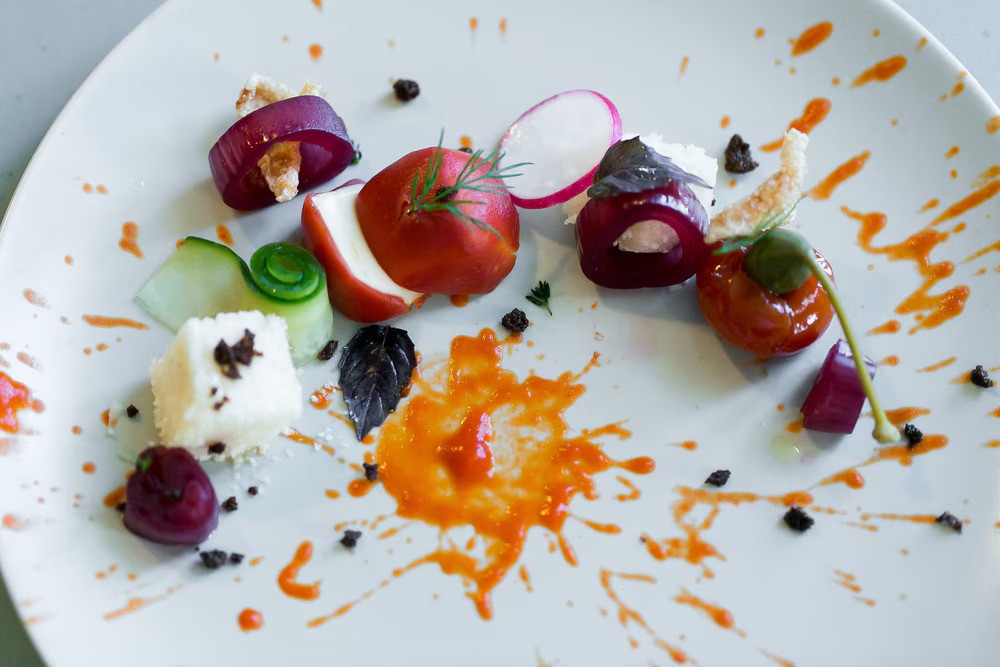
Walking into a high-end restaurant today, one might be greeted not just by the aroma of perfectly seared meat or the delicate sweetness of a dessert but by a sense of anticipation bordering on scientific curiosity. The rise of molecular cuisine has transformed dining from a mere act of eating into a multisensory performance, where the kitchen becomes a laboratory and each plate a carefully engineered experiment. Chefs armed with syringes, liquid nitrogen, and agar-agar are redefining what it means to enjoy food, crafting experiences that tantalize the eyes, the nose, and above all, the palate.
The Science Behind the Sensation
At its core, molecular gastronomy is the intersection of culinary artistry and scientific inquiry. It is a discipline that investigates how the physical and chemical properties of ingredients influence flavor, texture, and aroma. But beyond the lab coat imagery, the purpose is not to make food complicated for complexity’s sake. It is to elevate the sensory experience, allowing diners to engage with dishes in ways they never thought possible. When a chef transforms a humble tomato into a transparent, gelatinous sphere that bursts in the mouth, the diner is not just tasting tomato—they are encountering it in an entirely new dimension.
Techniques such as spherification, foaming, and sous-vide cooking are now commonplace in luxury kitchens. Spherification allows liquids to take on caviar-like forms, giving sauces and juices a playful, pop-in-your-mouth quality. Foams, which might seem ethereal and whimsical, actually concentrate flavors, creating an intense gustatory punch while keeping textures light and airy. Sous-vide, once a niche technique, ensures that meat and fish reach perfect, even doneness, locking in juices and enhancing tenderness far beyond what traditional cooking methods achieve. Each method reflects a scientific principle but manifests as pure culinary delight.
Redefining Ingredients
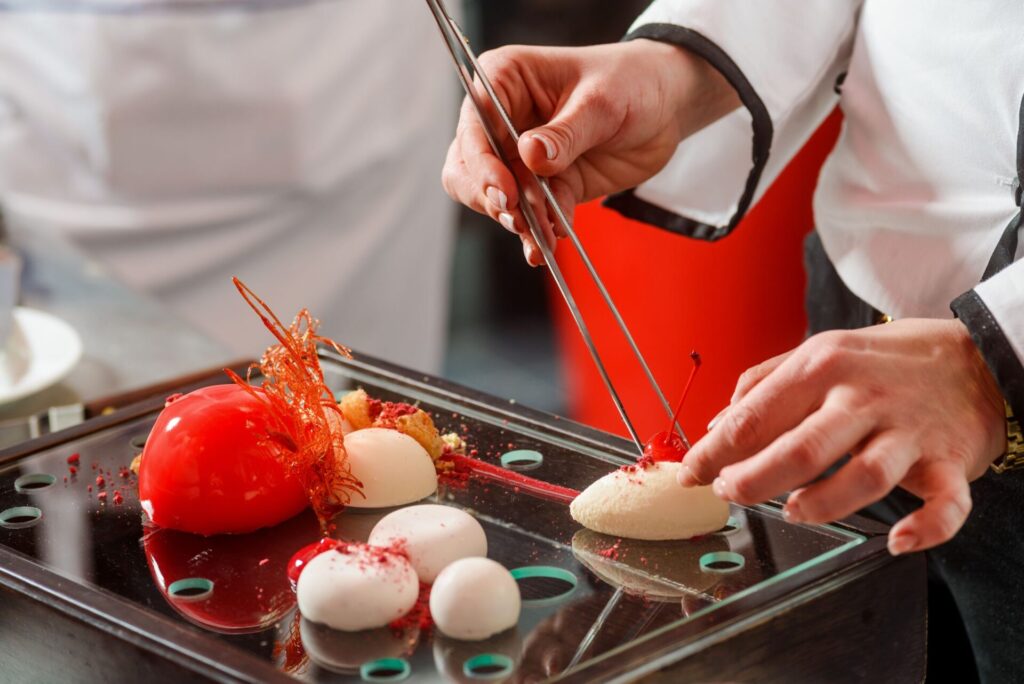
One of the most compelling aspects of molecular cuisine is the way it reimagines ingredients. Chefs no longer rely solely on what is fresh or seasonal; they experiment with textures, temperatures, and chemical reactions to create entirely new manifestations of familiar foods. Liquid nitrogen, for example, instantly freezes components, allowing for dramatic presentations like smoking desserts or frozen herbs that shatter beautifully on the tongue. Gels and emulsions turn liquids into solids or vice versa, producing dishes that challenge expectations. Imagine a consommé turned into a delicate pearl that melts to release a burst of flavor or a dessert that defies gravity, suspended in midair with the aid of edible foams.
Luxury restaurants embrace these techniques not only for their aesthetic appeal but for their ability to enhance the narrative of a dish. A single plate can tell a story, from the ingredients’ origins to the emotions the chef hopes to evoke. The tomato sphere is no longer just tomato; it is a memory of summer, a celebration of science, and a playful nod to the diner’s own curiosity. In molecular cuisine, ingredients are not just components—they are actors in a carefully choreographed performance.
The Theatrical Dining Experience
Molecular gastronomy thrives on spectacle. In many high-end restaurants, dining is transformed into a theatrical experience. Waitstaff may pour a steaming liquid over a plate, instantly creating fog that envelops the table. Diners watch as liquids turn into powders before their eyes, or as desserts levitate thanks to nitrogen-cooled vapors. These moments are not mere gimmicks; they are an integral part of the culinary journey, engaging multiple senses simultaneously. The sight of food transforming, the sound of sizzling or crackling, the aroma released in a sudden burst—all contribute to a heightened sense of anticipation and enjoyment. Just as molecular gastronomy turns dining into a multi-sensory experience, thoughtfully designed accessories can enhance personal rituals, adding both style and functionality, such as a finely crafted rock pipe.
But the spectacle is always in service of flavor. Molecular techniques allow chefs to concentrate tastes, enhance textures, and juxtapose temperatures in ways traditional cooking cannot. A savory foam might float atop a rich, slow-cooked stew, adding lightness without diminishing depth. A chocolate dessert might incorporate spheres of fruit puree, offering bursts of acidity that balance sweetness. Every visual flourish is paired with a carefully calibrated gustatory experience, ensuring that diners leave not only impressed but truly satisfied.
Pushing Culinary Boundaries
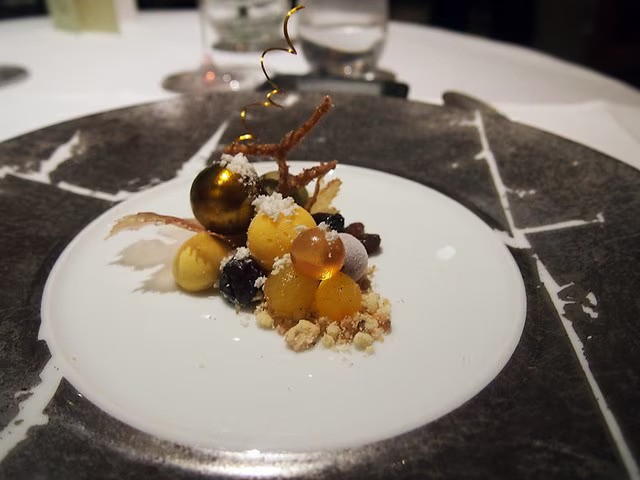
What makes molecular cuisine so exciting is its limitless potential for innovation. Chefs are no longer confined to the familiar interplay of ingredients; they can experiment with forms, consistencies, and flavor pairings in ways that were previously impossible. The traditional notions of texture—crunchy, soft, chewy—are being expanded into realms that challenge perception. A liquid can feel solid, a foam can carry intense flavor, a cold element can heighten the taste of warmth in a dish. This blurring of boundaries invites diners to rethink their assumptions about food and engage actively with the meal. Similarly, rethinking traditional approaches in farming allows for greater flexibility and efficiency, enabling sustainable and adaptable solutions for poultry care, such as mobile chicken coops.
In this sense, molecular gastronomy shares more with art than with traditional cooking. Each plate is a canvas, each ingredient a medium, and the techniques employed are brushstrokes of flavor, aroma, and texture. High-end restaurants that embrace this approach become incubators of creativity, where the culinary imagination has few limits and diners are invited into a world where food is as intellectually stimulating as it is delicious.
The Emotional Connection
Luxury dining is not merely about indulgence; it is about creating lasting memories. Molecular cuisine taps into this by offering surprise, delight, and emotional resonance. The pop of a sphere, the melt-in-your-mouth creaminess of a foam, the dramatic smoke of liquid nitrogen—these elements spark wonder. They create stories that diners carry home, and social media amplifies their impact, making each dish part of a shared cultural moment. Just as immersive dining experiences leave lasting impressions, early and structured interventions can create meaningful, long-term developmental impacts, as seen in programs like ABA therapy in Alexandria.
Moreover, molecular gastronomy often reconnects diners with ingredients on a deeper level. By altering textures and forms, chefs draw attention to flavors that might otherwise be overlooked. A carrot, when transformed into a delicate gel with subtle aromatics, can reveal sweetness and earthiness in a way that raw or roasted forms might not. Diners leave with a renewed appreciation for the ingredients themselves, gaining both sensory pleasure and intellectual engagement.
Global Influence and Accessibility
While molecular cuisine originated in avant-garde restaurants in Europe, it has since spread globally, influencing chefs across continents. Luxury establishments in Asia, the Americas, and the Middle East now incorporate molecular techniques, often blending them with local culinary traditions. Imagine Japanese kaiseki elevated with foams and spheres, or French haute cuisine enhanced by nitrogen-frozen elements. This global cross-pollination enriches the gastronomic landscape, demonstrating that science and artistry know no cultural bounds.
Interestingly, the influence of molecular gastronomy has begun to trickle down beyond luxury restaurants. Fine dining techniques are now being adapted for casual dining, home kitchens, and even food products. Sous-vide machines, spherification kits, and foaming tools are becoming increasingly accessible, allowing a broader audience to engage with the principles of molecular cuisine. While the theatrical spectacle may remain the domain of high-end restaurants, the essence of experimentation and sensory elevation is reaching new diners every day.
Challenges and Controversies
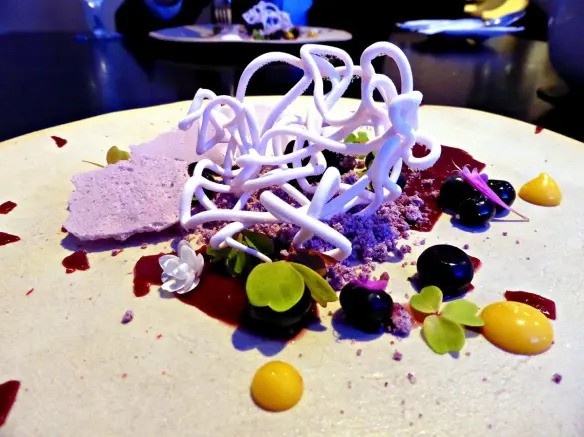
Despite its acclaim, molecular cuisine is not without critics. Some argue that the emphasis on technique and presentation can overshadow taste, creating dishes that are visually stunning but lack emotional depth. Others contend that the expense and complexity of these methods make them elitist, accessible only to those who can afford high-end dining experiences.
Yet for many chefs and diners, the challenge is part of the appeal. Molecular gastronomy demands precision, creativity, and a deep understanding of ingredients. It encourages chefs to push boundaries while staying rooted in flavor, and it invites diners to approach food with curiosity and openness. In this context, the challenges are inseparable from the rewards, and the controversies fuel ongoing experimentation and evolution within the field.
The Future of Molecular Cuisine
Looking ahead, molecular gastronomy shows no signs of slowing down. Advances in food science, ingredient technology, and kitchen equipment continue to expand the possibilities for high-end dining. Chefs are exploring ways to enhance sustainability through molecular techniques, using them to reduce waste, preserve flavor, and create plant-based alternatives that rival traditional dishes. Innovations in sensory science may lead to dishes that manipulate taste perception or aroma in ways previously unimaginable, further blurring the line between science and art. Similarly, targeted interventions in health can enhance function and quality of life, using specialized techniques to strengthen core stability and support well-being, as offered through pelvic floor therapy in Washington, MO.
Ultimately, the rise of molecular cuisine represents a profound shift in how we understand and experience food. It celebrates curiosity, creativity, and the joy of discovery. It reminds us that dining is not just nourishment but an adventure, one that engages the mind as much as the senses. From the beakers and test tubes of experimental kitchens to the meticulously plated banquets of luxury restaurants, molecular gastronomy invites us to savor not only what we eat but how we encounter it, turning each meal into a celebration of flavor, innovation, and wonder.
Conclusion
The evolution from traditional haute cuisine to molecular gastronomy marks one of the most exciting transformations in modern dining. High-end restaurants have embraced the principles of science not as a gimmick but as a tool to amplify flavor, delight the senses, and create memorable experiences. With each foam, sphere, and nitrogen-cooled spectacle, chefs invite diners into a world where food becomes both an art and a science, a place where curiosity and indulgence coexist on the same plate. As molecular cuisine continues to evolve, one thing is certain: the journey from beakers to banquets has only just begun, and every bite promises to surprise, inspire, and enchant. Just as molecular gastronomy transforms dining into a seamless blend of art and science, streamlined administrative solutions can elevate business operations, providing efficiency and accuracy through a medical billing services company for US businesses.
