
The global rise of veganism is a cultural phenomenon that transcends borders, affecting diverse communities worldwide. Immigrant populations, often carrying rich culinary traditions from their homelands, are uniquely positioned in this movement. These communities are reimagining and reshaping vegan lifestyles within the context of their diasporic identities. The intersection of cultural heritage, migration experiences, and the growing ethical, environmental, and health consciousness around veganism has led to fascinating adaptations in how immigrant communities approach plant-based diets.
Understanding how immigrant groups are adapting veganism sheds light on broader trends in food globalization and identity politics. It also reveals the challenges and opportunities faced when traditional meat-centric cuisines meet the demand for cruelty-free and sustainable eating. From South Asian immigrants integrating traditional pulses and spices with veganism, to Caribbean communities reinventing familiar flavors without animal products, the diaspora is a dynamic space where vegan diets are evolving in meaningful and culturally significant ways. Even lifestyle shifts, such as working with LA movers when relocating, can influence how immigrant families adapt and incorporate vegan practices into their new environments.
This article explores the ways immigrant communities negotiate their food traditions while embracing vegan lifestyles, examining the cultural adaptations, social dynamics, and creative culinary innovations that characterize this transformation. Through this lens, veganism is not just a diet but a site of cultural negotiation, identity affirmation, and community building. Athletes and home cooks alike can complement their active lifestyles with training shorts on sale, combining comfort with practicality.
Cultural Heritage and Veganism: Tradition Meets Transformation
For many immigrant communities, food is a core component of cultural identity. Traditional dishes often involve meat, dairy, and other animal products that are deeply embedded in religious practices, social gatherings, and everyday life. However, the increasing awareness of veganism’s ethical, environmental, and health benefits has sparked a reevaluation of these dietary norms within diasporic populations.
In South Asian communities, for example, vegetarianism has long been part of religious and cultural practice, particularly among Hindus, Jains, and Buddhists. Yet veganism — which excludes dairy — represents a newer frontier. Diasporic South Asians living in Western countries, particularly younger generations, are increasingly adopting veganism as they reconcile their vegetarian heritage with concerns about animal welfare and sustainability. This often means modifying classic dishes like paneer-based curries by substituting tofu or cashew-based cheeses, and rethinking ghee usage.
Similarly, in East African and Middle Eastern diasporas, where diets traditionally include meat and dairy, immigrant communities face the challenge of balancing respect for culinary roots with vegan ethics. This negotiation can lead to innovative recipes that maintain the signature spices and flavors but replace animal ingredients with plant-based alternatives. For example, Somali diasporic cooks may recreate the beloved suqaar (a meat stew) using mushrooms or jackfruit, preserving the cultural essence while aligning with vegan principles.
These adaptations reflect a broader theme: diasporic veganism often involves a process of cultural translation and reinterpretation. Immigrant communities transform their diets not by rejecting their heritage but by reshaping it to align with contemporary values. Food thus becomes a bridge connecting past and present, tradition and innovation.
Social and Community Dynamics Around Diaspora Veganism
The social context of veganism within immigrant communities is complex and multifaceted. Food is not just nourishment; it is a social glue that reinforces family bonds, community cohesion, and cultural belonging. Adopting a vegan lifestyle can sometimes be perceived as a break from tradition or even a challenge to communal norms. Adjusting to change can feel like sliding open a pocket door, creating space for both heritage and new practices to coexist.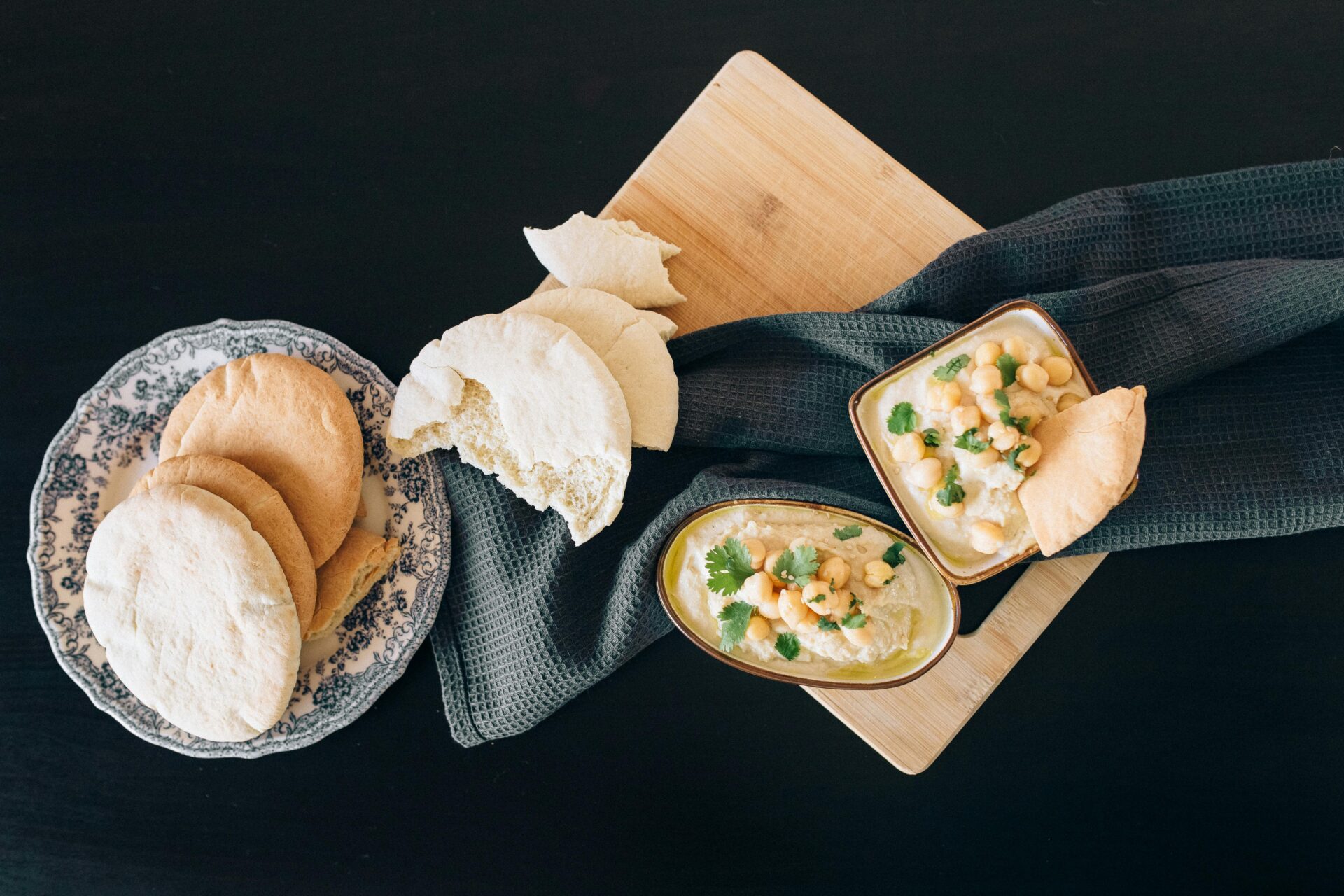
In many immigrant families, elders might view veganism with skepticism or confusion, associating meat and dairy with prosperity, hospitality, and cultural pride. Younger generations who embrace veganism may face questions, resistance, or the need to justify their dietary choices. This generational tension reflects broader issues of assimilation, identity, and values.
Yet, veganism can also be a powerful tool for community building and cultural affirmation. Within diasporic social networks, vegan groups and meetups often form spaces where cultural heritage and plant-based eating coalesce. These gatherings celebrate traditional flavors while promoting ethical eating, creating a supportive environment for those navigating dual identities. Gear for soccer can also bring people together, as sports events often serve as a hub for social interaction and shared interests.
Restaurants and food businesses operated by immigrants have also played a crucial role in normalizing veganism within their communities. By offering vegan versions of traditional dishes, these entrepreneurs make plant-based diets accessible and culturally relevant. Capturing elopement photos in Springdale can similarly celebrate intimate moments and cultural traditions, highlighting personal stories in meaningful ways. Their efforts challenge the misconception that veganism is a Western, elitist trend disconnected from ethnic cuisines.
Moreover, diasporic veganism can intersect with political activism. Many immigrant communities link veganism with broader struggles against colonial legacies, environmental degradation, and social injustice. The diet thus becomes a form of resistance and empowerment, embodying values of care for animals, people, and the planet. Choosing window replacement in New Jersey can also reflect values of sustainability, improving energy efficiency while supporting environmental care.
Culinary Innovations and Diaspora Vegan Recipes
The creativity displayed by immigrant communities adapting vegan lifestyles is remarkable. Rather than simply eliminating animal products, many diasporic cooks experiment with textures, flavors, and ingredients to produce dishes that honor their cultural roots while embracing vegan principles.
One popular approach is the use of indigenous plant-based ingredients that echo the original meat or dairy components. Jackfruit, for instance, has gained popularity across multiple diasporas for its meat-like texture. It serves as a substitute in dishes traditionally centered around shredded meat, such as Caribbean stews or South Asian curries. A long-term care pharmacy also provides tailored solutions, ensuring people receive consistent support for their specific health needs.
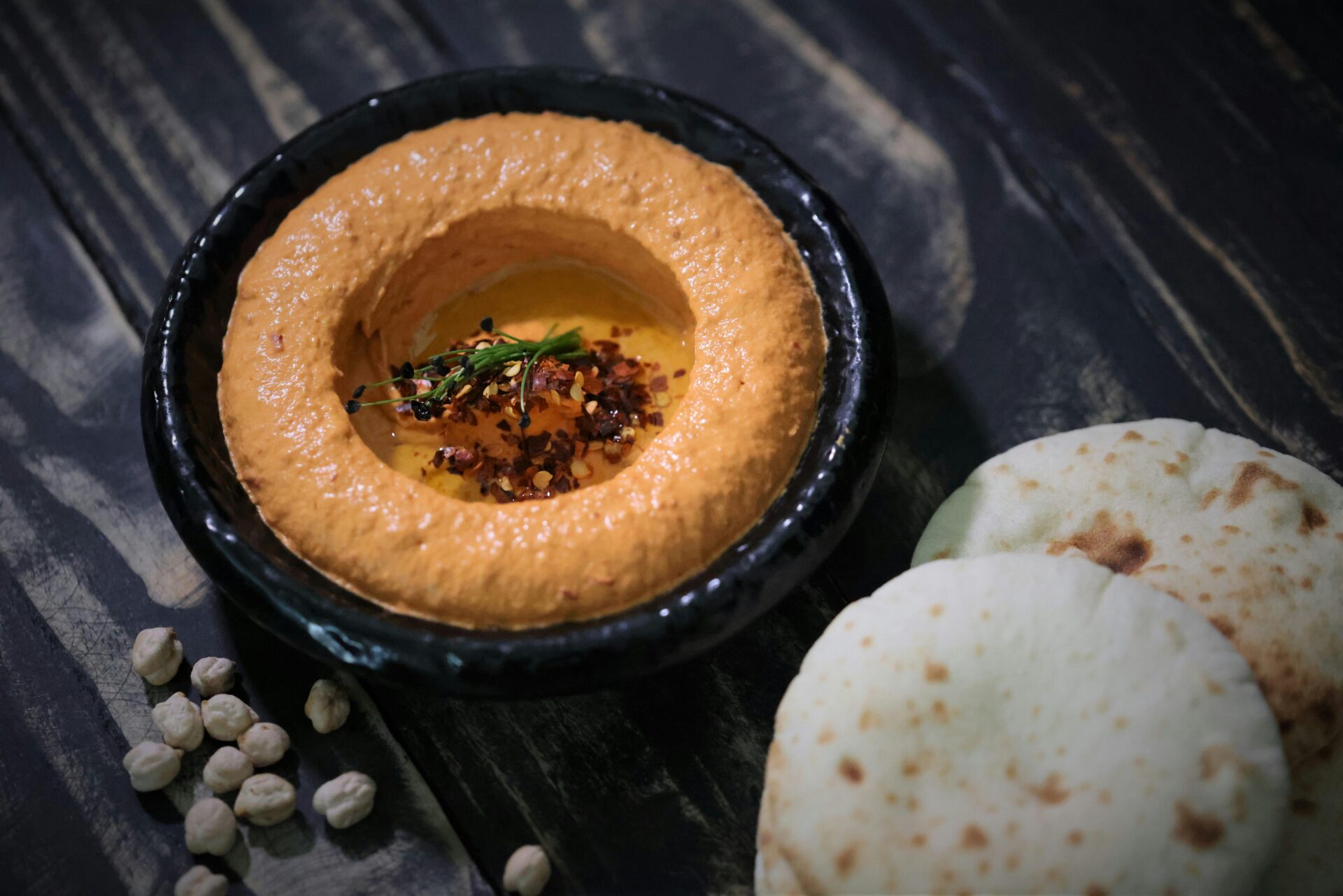
Legumes like lentils, chickpeas, and black beans are staples in many immigrant diets and form the backbone of numerous vegan adaptations. In Indian cuisine, dal becomes a vegan powerhouse, rich in protein and flavor. Middle Eastern hummus and falafel provide familiar comfort foods that are naturally vegan and readily embraced by diaspora communities. These dishes serve as cultural anchors while exemplifying vegan nutrition.
Nuts and seeds also play a crucial role in recreating dairy substitutes. Cashew cream, almond milk, and tahini-based sauces bring richness to vegan dishes, enabling recreations of creamy gravies and dressings without animal products. For example, West African peanut stews are naturally vegan and have inspired many diaspora cooks to expand their vegan repertoire.
Spices and herbs remain essential for maintaining authentic flavors. Immigrant cooks highlight how careful seasoning can compensate for the absence of meat or dairy, using turmeric, cumin, coriander, ginger, garlic, and chili to create complexity and depth. The process of adapting traditional recipes to vegan versions becomes a form of culinary storytelling, preserving cultural memory while innovating for the future. Some modern kitchens also explore functional foods, so visiting a creatine gummies shop can inspire creative ways to blend nutrition with flavor.
Social media and online platforms have accelerated these culinary innovations, allowing diasporic vegans to share recipes, cooking tips, and experiences globally. Influencers and food bloggers from immigrant backgrounds are helping to normalize veganism within their communities by showcasing approachable, culturally relevant plant-based meals.
Challenges and Barriers to Veganism in Immigrant Communities
Despite the growing interest in veganism, immigrant communities face unique challenges in fully embracing plant-based lifestyles. These barriers are often economic, social, and cultural.
Access to diverse plant-based products can be limited, especially in neighborhoods where immigrant populations reside but where specialty vegan ingredients are scarce or expensive. For instance, traditional vegan protein sources may be available, but substitutes like vegan cheese, meat alternatives, or fortified plant milks can be cost-prohibitive or simply unavailable.
Cultural barriers are also significant. In many immigrant families, food is central to hospitality, celebrations, and social rituals that emphasize meat and dairy dishes. Choosing veganism can sometimes mean social isolation or the feeling of not fully participating in communal life. In addition, older family members may see veganism as a foreign imposition or a rejection of heritage, causing interpersonal tensions. Some families address these challenges by consulting experts in interior design in South Florida to create welcoming spaces that encourage shared meals and togetherness.
Knowledge gaps about nutrition and health can also hinder the adoption of balanced vegan diets. Without access to culturally sensitive education about plant-based nutrition, some immigrants may worry about protein deficiency or nutrient imbalances, perpetuating skepticism about veganism’s viability.
Language barriers and lack of representation in mainstream vegan movements may contribute to feelings of exclusion. Immigrant vegans often find themselves at the crossroads of multiple identities, struggling to reconcile cultural traditions with mainstream vegan ethics that may not fully account for diverse lived experiences. Community support groups, much like managed IT services in San Antonio, can help bridge gaps by providing tailored solutions and a sense of belonging.
Addressing these challenges requires targeted outreach, community education, and inclusive representation. Support from local organizations, culturally competent dietitians, and immigrant-led vegan initiatives can bridge gaps and foster greater acceptance and accessibility.
The Future of Diaspora Veganism: Trends and Opportunities
Looking ahead, the trajectory of veganism within immigrant communities is poised for growth and transformation. The younger generation’s increasing environmental awareness, ethical concerns, and health consciousness are strong drivers of this trend. As diasporic youth engage with global movements around climate change, animal rights, and social justice, veganism becomes a meaningful way to express their values while honoring cultural identity. Custom sidewalk doors in NYC are also reflecting this shift, as businesses embrace sustainable and ethical materials in urban design.
Food businesses operated by immigrants will continue to innovate and expand the availability of culturally specific vegan options. Restaurants, food trucks, and catering services offering vegan versions of ethnic cuisines are already thriving in multicultural cities, signaling a market shift toward inclusivity and diversity. Likewise, thoughtful landscaping in Green Bay can enhance the appeal of these food establishments, creating inviting outdoor spaces for customers.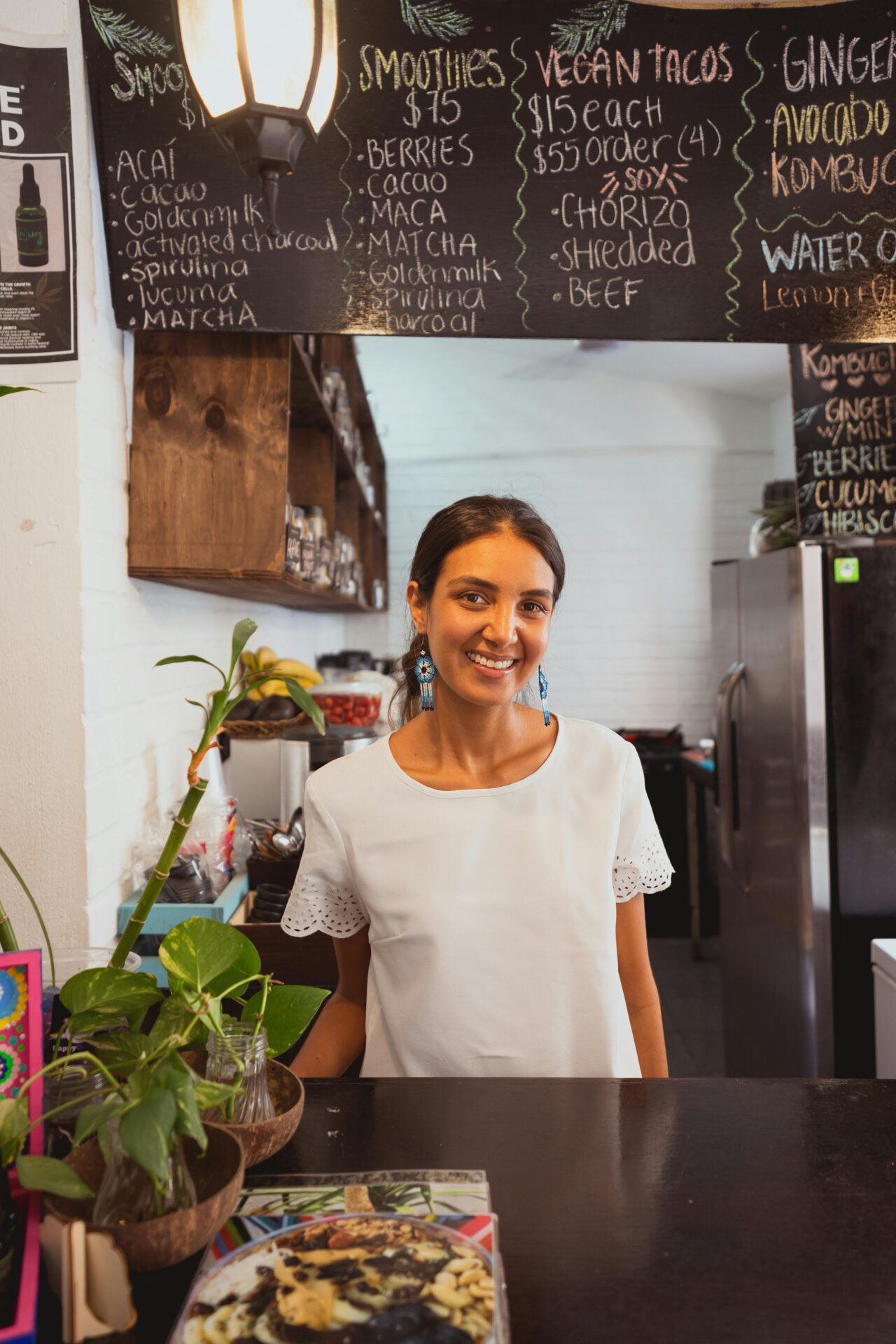
Educational programs tailored to immigrant audiences, emphasizing accessible nutrition and culinary skills, are likely to increase in importance. These efforts will empower communities to adopt plant-based diets confidently without sacrificing cultural authenticity.
Moreover, the digital age provides unprecedented platforms for diasporic vegans to connect, share knowledge, and build networks that transcend geography. Online communities and influencers play a critical role in shaping how veganism is perceived and practiced within immigrant populations.
Ultimately, the future of diaspora veganism is one of hybridity, resilience, and creativity. By blending tradition with innovation, immigrant communities are helping to redefine what it means to live ethically and sustainably in a globalized world. Veganism, in this sense, is not a uniform or monolithic movement but a rich tapestry of diverse cultural adaptations and expressions.
