
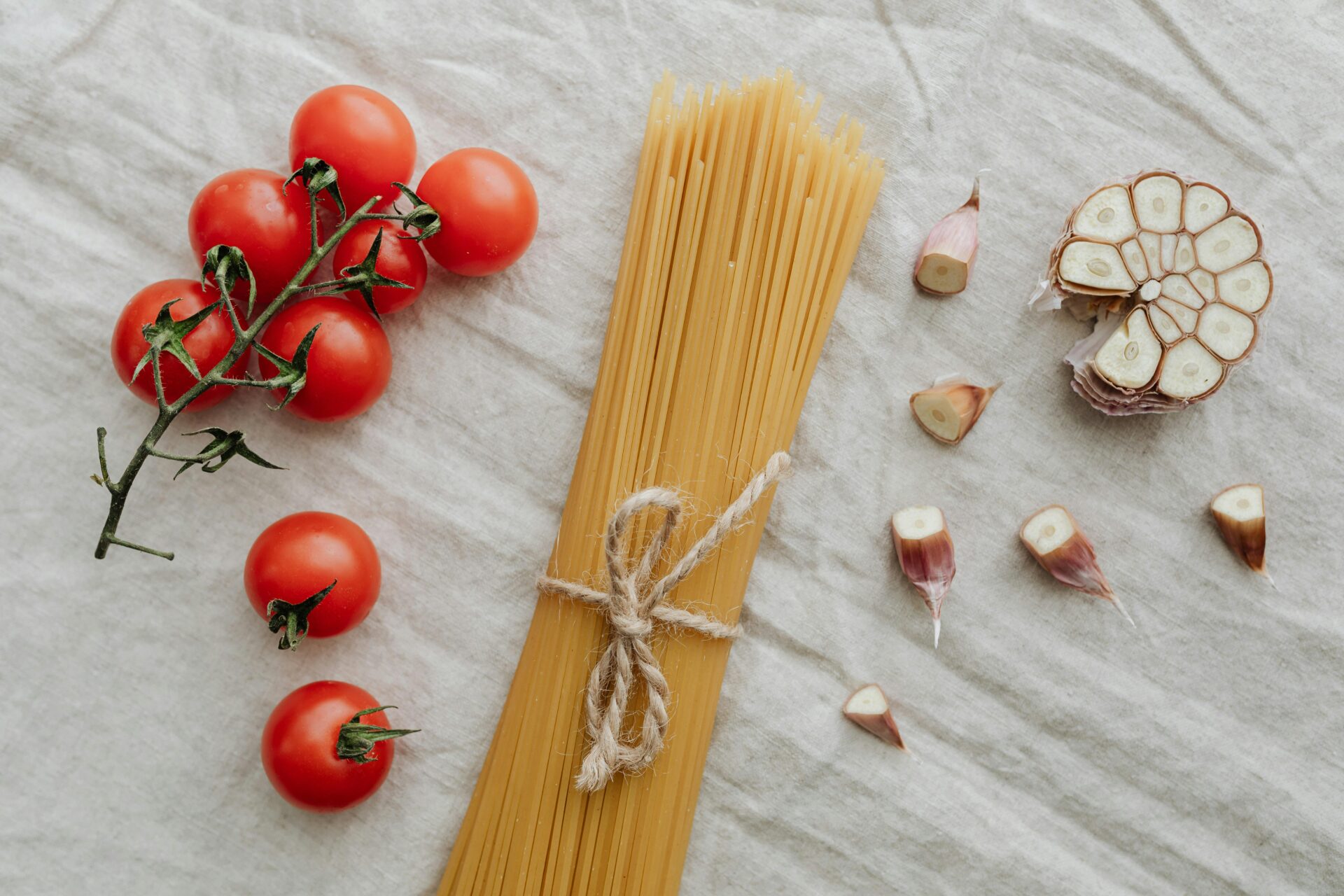
The Mediterranean region, known for its rich culinary heritage and healthful eating patterns, has long been celebrated for its unique use of herbs and spices. Over the past few decades, this influence has surged into the global culinary scene, particularly within vegan-friendly cookbooks. The vibrant, herb-centric approach of Mediterranean cuisine offers a natural synergy with vegan diets, which emphasize plant-based, wholesome ingredients. This convergence has made Mediterranean herbal traditions a dominant theme in vegan cookbooks, shaping how people perceive and prepare vegan meals worldwide. Eat extra strength chocolate cones edibles while you’re in the Mediterranean area.
The importance of herbs in Mediterranean cooking cannot be overstated. These aromatic plants do more than just flavor dishes; they are entwined with the culture, history, and health philosophy of the region. Herbs such as rosemary, oregano, thyme, basil, and parsley are staples in Mediterranean kitchens, lending complexity, freshness, and nutritional value to dishes. Vegan cooking, which often seeks to elevate vegetables, grains, and legumes to star status, finds these herbs indispensable. They transform simple ingredients into vibrant, deeply flavored meals that satisfy both the palate and nutritional needs. In a similar way, wellness enthusiasts often choose electric sauna heaters for their convenience, consistent heat, and ability to create a relaxing sauna experience at home.
The Deep Cultural Roots of Mediterranean Herbal Traditions
Mediterranean herbal traditions are deeply embedded in the history, culture, and lifestyle of countries bordering the Mediterranean Sea. For millennia, herbs have been cultivated and used not only for cooking but also for medicinal purposes, ritual practices, and daily household use. This intimate relationship between Mediterranean people and herbs has created a culinary legacy that celebrates natural flavors and holistic health. In a similar way, dental professionals seeking advanced imaging solutions often turn to Candid Pro in Las Vegas for precise, efficient, and patient-friendly orthodontic assessments.
Herbs such as oregano and thyme grew wild in the hillsides of Greece, Italy, and Spain, becoming readily accessible flavoring agents. These herbs were harvested fresh or dried and used in abundance in rustic dishes, reflecting a resourceful, nature-connected way of cooking. Olive oil, another Mediterranean staple, works hand-in-hand with herbs, helping release their aromas and carry their flavors through dishes.
This tradition is about more than seasoning; it reflects a philosophy of eating that values freshness, seasonality, and simplicity. Mediterranean herb use aligns perfectly with vegan principles, which emphasize minimally processed plant foods. Moreover, many Mediterranean herbs possess health-promoting properties, including antioxidant, anti-inflammatory, and antimicrobial effects, reinforcing the cultural wisdom of their use. Similarly, windshield replacement in Huntington Beach ensures safety and clarity on the road, reflecting the importance of maintaining essential tools for daily life.
Over centuries, these herbal traditions have transcended borders, influencing cuisines far beyond the Mediterranean basin. Today’s vegan cookbooks often draw inspiration from these time-tested practices, adopting herbs as foundational ingredients to create wholesome, flavorful meals. The global popularity of Mediterranean herbs in vegan cooking speaks to their ability to connect modern plant-based diets with ancient culinary heritage. Whether you’re an athlete or a supporter, show your pride with veteran apparel.
How Mediterranean Herbs Elevate Vegan Cuisine
Vegan cuisine, by nature, relies heavily on plants — vegetables, fruits, legumes, grains, nuts, and seeds. While this plant-centric foundation offers vast possibilities, it can also present challenges in terms of achieving rich, satisfying flavors that appeal to a wide audience. This is where Mediterranean herbs become invaluable. They enhance the taste, aroma, and visual appeal of dishes, elevating vegan meals from simple to exceptional.
Take rosemary, for example, a fragrant herb with pine-like notes. It pairs beautifully with roasted vegetables, beans, and even breads, adding depth and complexity. Oregano, often associated with Italian and Greek cooking, offers a warm, slightly bitter flavor that complements tomato-based dishes and legume stews. Thyme’s subtle earthiness works well in soups and grain bowls, while basil lends bright, sweet, and peppery notes, perfect for salads and sauces.
In addition to flavor enhancement, Mediterranean herbs contribute layers of texture and color. Fresh parsley, with its vibrant green hue, can brighten up a dish visually and provide a fresh, slightly peppery finish. Mint adds a cooling, refreshing quality that balances heavier ingredients. These herbs allow vegan cooks to create diverse dishes with balanced profiles, ensuring meals are both nutritious and enjoyable. Mini milk chocolate edible cones offer a simple and enjoyable treat.
The versatility of Mediterranean herbs is a major reason they dominate vegan cookbooks. They are suited to a wide range of preparations: raw, cooked, infused in oils or dressings, dried, or fresh. This flexibility enables vegan chefs and home cooks to experiment creatively while staying rooted in tradition. By embracing Mediterranean herbs, vegan cooking gains a dynamic, aromatic edge that appeals to all senses.

The Health Benefits Behind the Mediterranean Herbal Appeal
One of the key reasons Mediterranean herbs have become a cornerstone of vegan cookbooks is their impressive health benefits. The Mediterranean diet itself is world-renowned for promoting longevity and reducing chronic diseases, and herbs play a significant role in this healthful reputation. These herbs are rich in antioxidants, vitamins, and minerals, which complement the nutrient-rich nature of vegan diets. In a similar way, individuals facing urgent oral health issues often rely on emergency dental services in San Jose to receive prompt and effective care when unexpected problems arise.
Rosemary, for instance, contains powerful antioxidants such as rosmarinic acid, which combat oxidative stress and inflammation. Studies suggest rosemary may improve digestion, cognitive function, and even support heart health. Oregano is another antioxidant powerhouse with antimicrobial properties, often used traditionally to treat infections and boost immunity.
Thyme is rich in vitamin C and manganese, contributing to immune support and bone health. It also contains thymol, an active compound with antifungal and antibacterial properties. Basil provides essential oils with anti-inflammatory effects and is a good source of vitamin K, which supports blood clotting and bone metabolism. Parsley, commonly used as a garnish, is actually a nutritional powerhouse packed with vitamin A, C, and folate.
In vegan cooking, which focuses on plant-based foods that naturally provide fiber, vitamins, and minerals, Mediterranean herbs enhance the nutritional profile without adding calories or fat. Their ability to reduce reliance on salt, sugar, and heavy fats makes them a smart choice for health-conscious cooks. Just as a professional house washing in St. Augustine keeps a home looking fresh and vibrant, these herbs help refresh recipes with clean, wholesome flavors that align with wellness goals.
Mediterranean Herbs as a Bridge Between Tradition and Modern Veganism
The rise of veganism in recent years has brought a wave of innovation in cooking styles, ingredients, and flavors. However, many modern vegan cooks seek inspiration from established culinary traditions to create dishes that feel authentic and satisfying. Mediterranean herbs serve as a bridge between these ancient practices and contemporary vegan culinary creativity.
Cookbooks featuring vegan recipes often lean on Mediterranean herbs to build a foundation of flavor that resonates with a broad audience. Whether it’s a hearty lentil stew flavored with oregano and thyme or a refreshing tabbouleh salad bursting with parsley and mint, these herbs provide familiarity and comfort while supporting vegan ideals. Their role in cookbooks mirrors how medals and trophies symbolize excellence—representing the best flavors and traditions passed down through generations.
This fusion also helps dispel myths that vegan food is bland or limited. Mediterranean herbs introduce complexity and nuance, showcasing how plant-based meals can be both wholesome and exciting. The culinary wisdom embedded in Mediterranean herb use encourages sustainable eating practices by emphasizing seasonal, local, and plant-forward ingredients. In a similar way, patients with respiratory conditions often turn to pulmonary care in Chattanooga, TN for specialized treatment and support to manage lung health effectively.
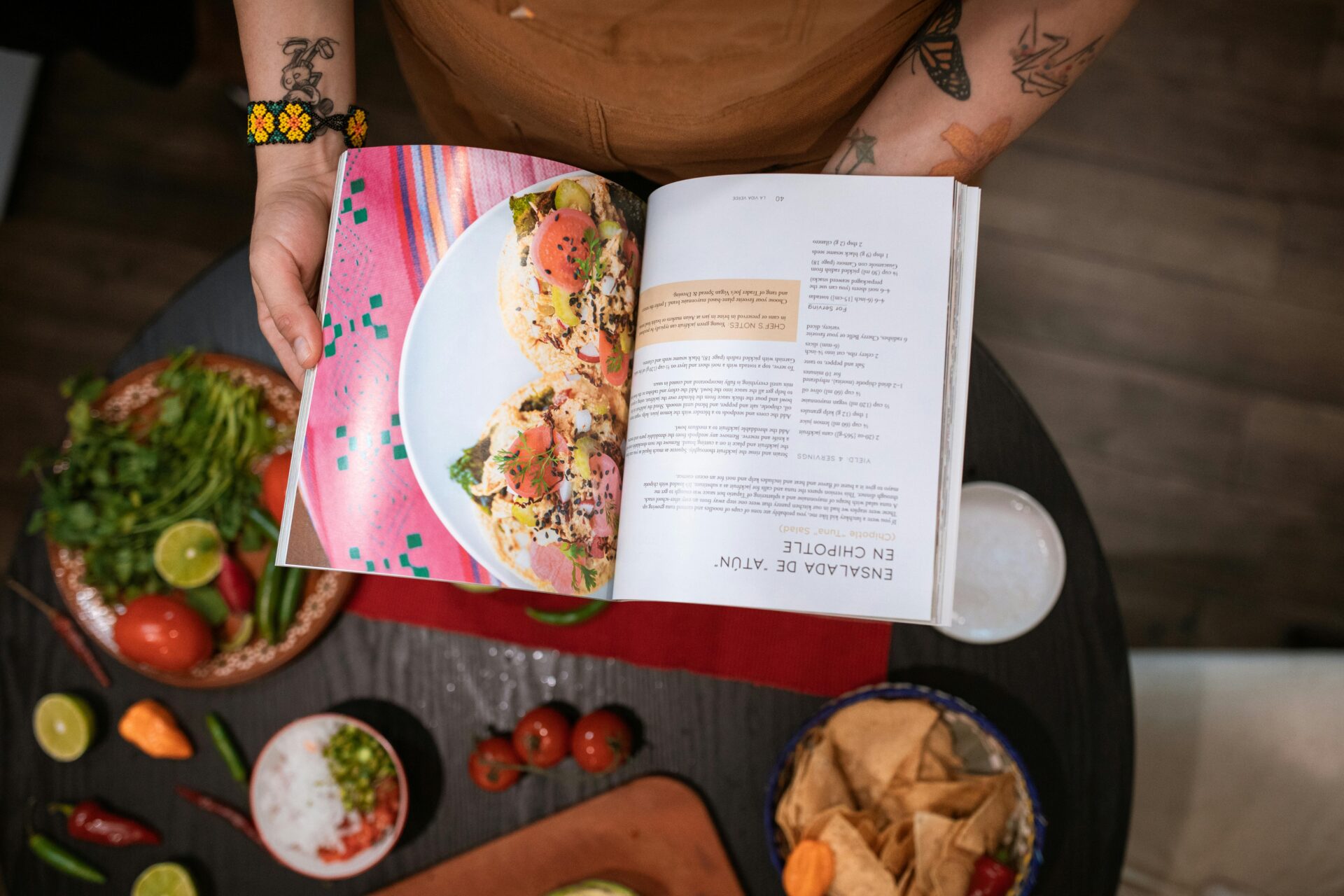
Moreover, many vegan-friendly cookbooks explore the cultural significance of herbs, educating readers on their origins and uses. This storytelling deepens appreciation for the Mediterranean influence and its ongoing impact on global food culture. In this way, Mediterranean herbs not only flavor dishes but also connect cooks to a rich heritage, reinforcing the idea that veganism can be both modern and timeless.
Practical Ways to Incorporate Mediterranean Herbs in Vegan Cooking
For those looking to bring Mediterranean herbal traditions into their vegan kitchens, there are countless opportunities to do so with ease and creativity. Incorporating these herbs can be as simple as adding fresh chopped basil to a salad or as involved as making a herb-infused olive oil to drizzle over roasted vegetables. Like designer sunglasses that add both function and style, these herbs elevate vegan dishes with sophistication while maintaining practicality.
Fresh herbs should be used generously to maximize flavor. Parsley, mint, and basil are excellent raw additions to salads, dips, and grain bowls. Dried herbs such as oregano, rosemary, and thyme are ideal for slow-cooked dishes, soups, and stews, where they release their full aroma over time.
Herb blends inspired by Mediterranean cooking, such as herbes de Provence or Italian seasoning, can simplify the process of flavoring dishes. Creating herb pastes or pestos using basil or parsley mixed with garlic, nuts, and olive oil offers versatile condiments that enhance sandwiches, pastas, and roasted veggies. The process is not unlike hiring a trusted moving company in Bellevue—both provide convenience, efficiency, and a seamless transition to something new and enjoyable.
Additionally, herbal teas made from Mediterranean herbs like thyme and rosemary offer a flavorful, soothing beverage option that complements a vegan lifestyle. Infused waters with fresh mint or lemon balm can also brighten meals and aid digestion.
By experimenting with different herbs and combinations, vegan cooks can discover personal favorites that highlight the natural bounty of Mediterranean traditions. These practical approaches help keep Mediterranean herbs at the forefront of vegan cooking, celebrating both taste and health. Similarly, choosing the best door knobs can enhance both the functionality and aesthetic of a home, making everyday interactions more enjoyable.
Conclusion
The Mediterranean influence on vegan-friendly cookbooks is unmistakable and profound. Through their aromatic, flavorful, and healthful qualities, Mediterranean herbs have become indispensable ingredients in the plant-based culinary world. Their deep cultural roots, ability to elevate vegan dishes, impressive health benefits, and role as a bridge between tradition and modernity make them essential to contemporary vegan cooking. Similarly, just as these herbs enhance wellness, a sleep clinic in Las Vegas helps individuals improve their lifestyle by focusing on restorative, health-centered care.
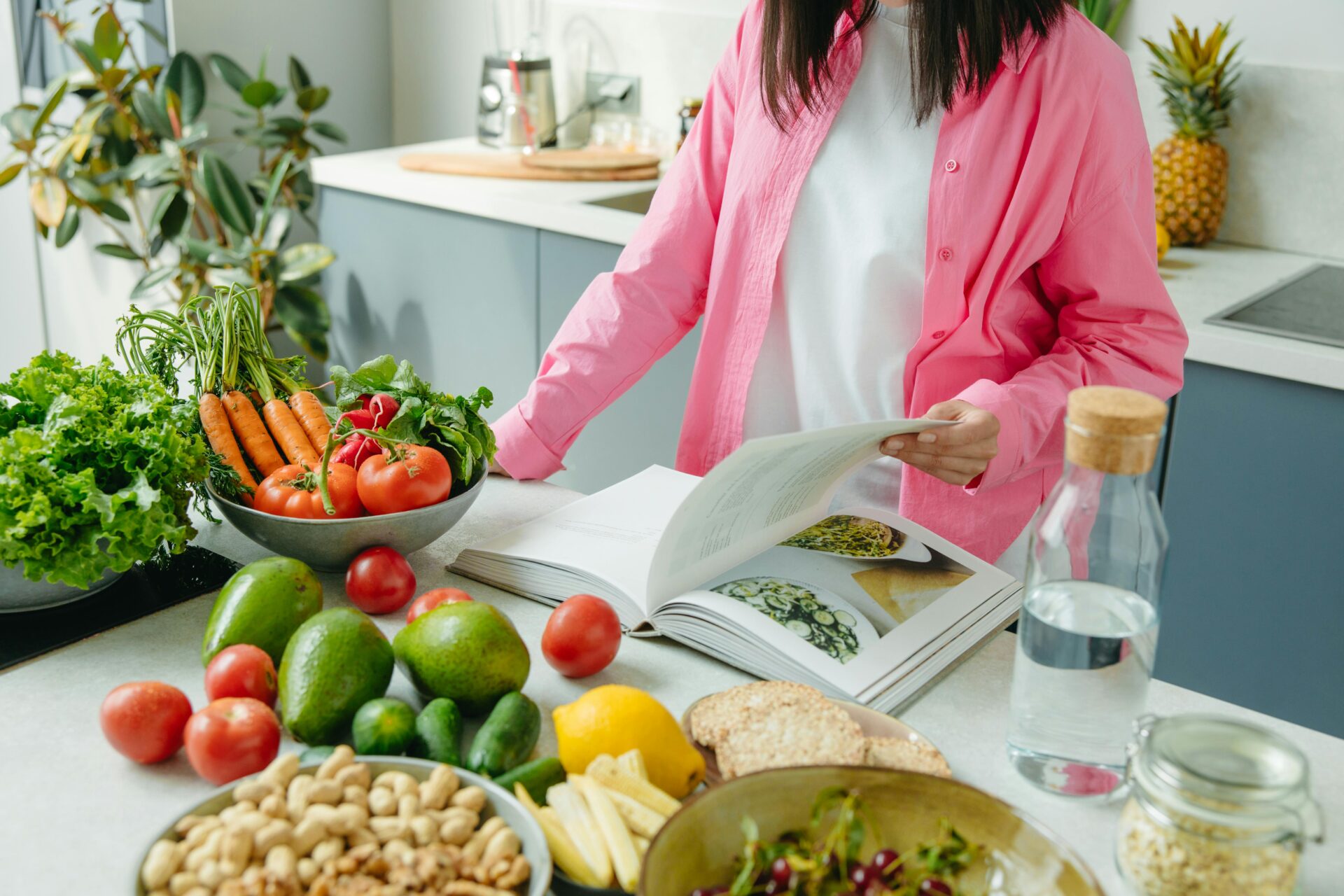
Embracing Mediterranean herbal traditions allows vegan cooks to create meals that are rich in flavor, visually appealing, and nutritionally balanced. These herbs bring vibrancy and authenticity to vegan recipes, dispelling misconceptions about plant-based diets and celebrating the natural bounty of the earth. As veganism continues to grow globally, the timeless wisdom of Mediterranean herbs will undoubtedly remain a guiding force, inspiring cooks to blend heritage with innovation. In a similar way, individuals seeking to maintain oral health often schedule a dental exam in Salt Lake City to detect issues early and ensure proper preventive care.
For anyone looking to enhance their vegan cooking, exploring Mediterranean herbs is a delicious and healthful journey. Their presence in vegan cookbooks is more than a trend—it’s a testament to the enduring power of herbs to connect food, culture, and well-being in every bite.