The Illusion of Effortless Elegance
To the diner seated at a crisply dressed table, fine dining often appears effortless. Plates arrive in perfect sequence, glasses are refilled before they empty, and the food itself seems to emerge as a finished work of art rather than the product of intense labor. This illusion of ease is not accidental. Fine dining is built on a carefully maintained performance in which the visible elements are only the tip of a much larger iceberg. Beneath every composed dish and graceful service lies an intricate web of invisible labor that makes the experience possible.
Kitchens That Never Truly Sleep
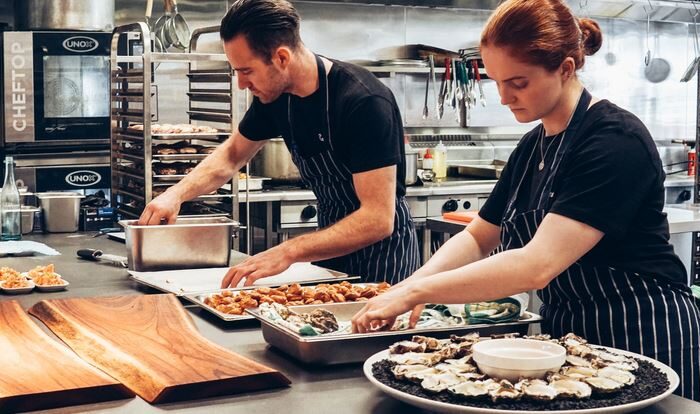
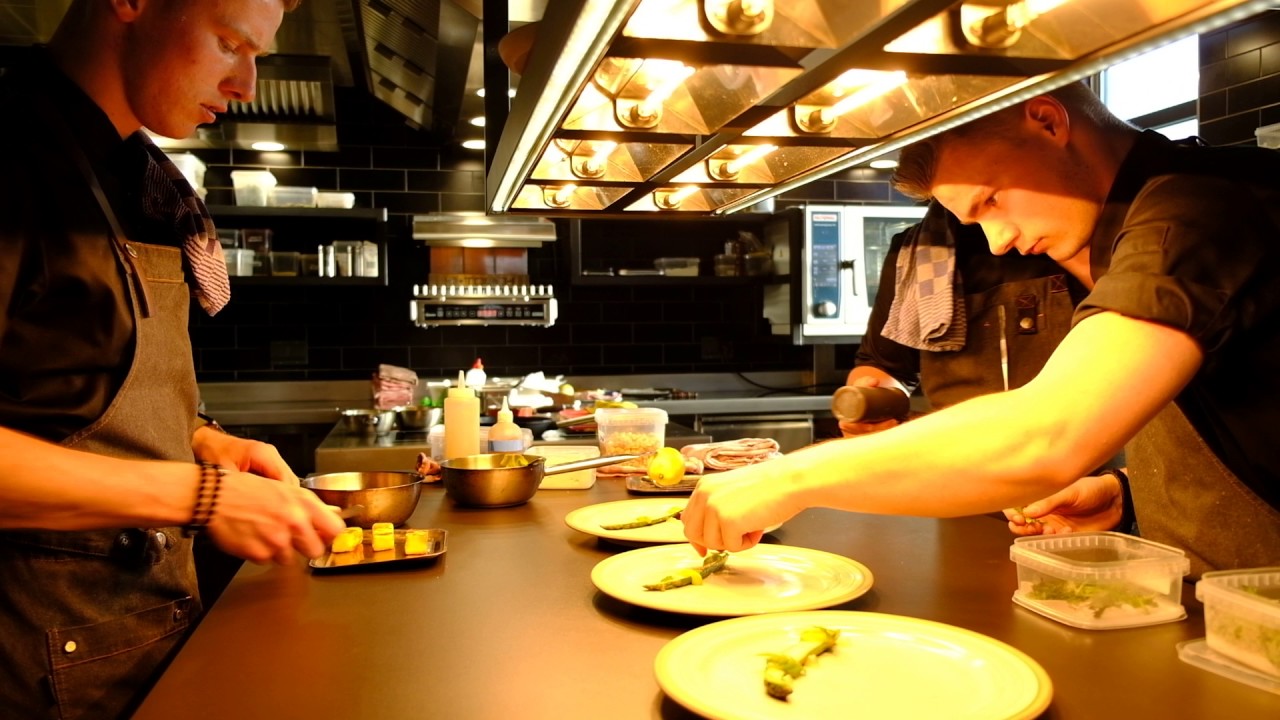
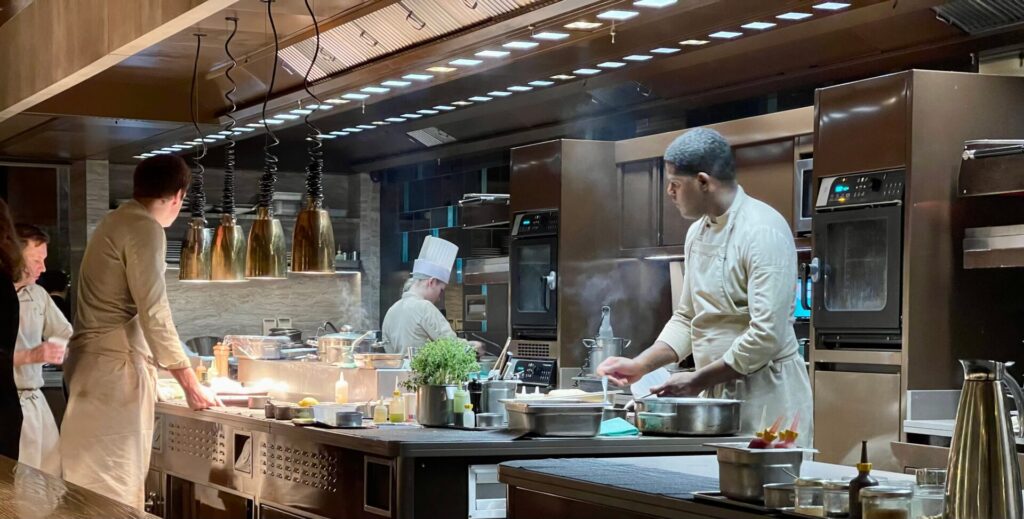
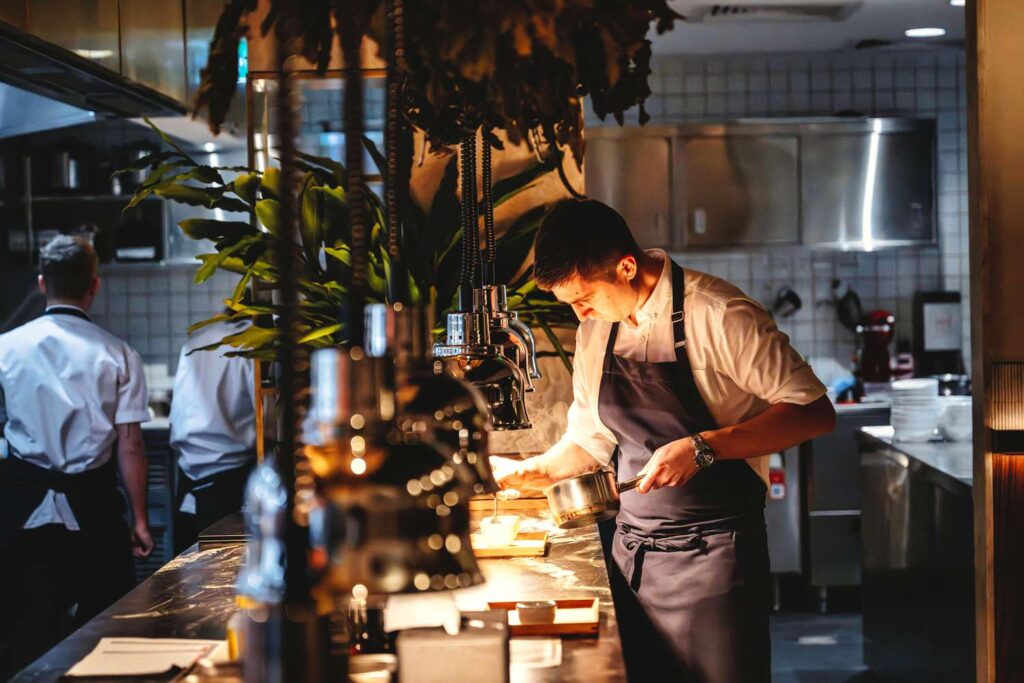
While the dining room may open its doors at a precise hour, the kitchen has often been awake for many hours before the first guest arrives. Prep cooks begin early, breaking down whole animals, washing crates of produce, and preparing stocks and sauces that may simmer for an entire day. These foundational elements rarely receive recognition, yet they are essential to the final dish. A perfectly reduced sauce or a balanced broth is the result of patience, repetition, and a deep understanding of technique.
The rhythm of the kitchen is also defined by cleanup, another largely unseen task. After service ends and guests depart, cooks remain behind to scrub stations, sharpen knives, label ingredients, and prepare for the next day. This cyclical labor ensures consistency and safety, but it exists entirely outside the spotlight of the dining experience.
The Emotional Labor of Precision
Beyond physical work, fine dining demands a significant amount of emotional labor. Chefs and cooks operate under constant pressure, striving for perfection in an environment where mistakes are highly visible and often unforgiving. Maintaining focus for hours, managing stress during peak service, and responding calmly to unexpected problems are all part of the job.
This emotional discipline extends to teamwork. Kitchens are hierarchical spaces where communication must be clear and efficient. Managing egos, resolving conflicts, and sustaining morale are invisible skills that keep operations running smoothly. The calm that diners perceive is often the result of deliberate emotional restraint practiced behind the scenes.
Service as Performance
In the dining room, servers and sommeliers engage in a form of professional performance that conceals extensive preparation. Before guests arrive, staff study menus, memorize ingredient lists, and practice describing dishes in language that is both informative and enticing. They anticipate questions about sourcing, allergens, and wine pairings, often drawing on years of experience and training.
The labor of service also includes reading the room. Knowing when to approach a table, when to step back, and how to adjust tone based on a guest’s mood requires emotional intelligence. Servers must absorb frustration, manage expectations, and create a sense of warmth without ever revealing the effort involved. This emotional labor is critical to the fine dining experience, yet it often goes unnoticed.
The Hidden Hands of Supply Chains
Fine dining relies heavily on complex supply chains that extend far beyond the restaurant itself. Farmers, fishers, foragers, and specialty producers play a crucial role in shaping menus. Their labor determines the quality and availability of ingredients, yet their presence is typically reduced to a brief mention on a menu or not acknowledged at all.
Coordinating these relationships requires time and expertise. Chefs and purchasing managers track seasons, negotiate prices, and adapt menus based on what is available. When weather disrupts a harvest or a shipment arrives late, adjustments must be made quickly and discreetly to preserve the guest experience. This logistical labor remains invisible, even though it directly shapes what appears on the plate.
The Role of Training and Mentorship
Fine dining establishments often function as informal schools, where knowledge is passed down through mentorship rather than formal instruction. Young cooks and servers learn by observing, repeating tasks, and receiving feedback, sometimes harsh, sometimes encouraging. This process requires patience and investment from senior staff, who must balance teaching with their own demanding workloads.
The time spent training new employees rarely translates into immediate profit. Instead, it represents a long-term commitment to maintaining standards and culture. The invisible labor of mentorship ensures continuity and excellence, shaping the next generation of hospitality professionals.
Administrative Work Behind the Scenes
Beyond the kitchen and dining room, a significant amount of administrative labor supports fine dining operations. Managers handle scheduling, payroll, inventory, and compliance with health and safety regulations. They resolve staffing shortages, manage budgets, and respond to reviews and reservations, often outside of regular working hours.
This work is essential to the restaurant’s survival, yet it lacks the tangible rewards of a well-received dish or a generous tip. Administrative labor ensures that creative and service-oriented work can take place, forming the structural backbone of the fine dining experience.
The Cost of Invisibility
The invisibility of labor in fine dining has real consequences. Long hours, physically demanding work, and emotional strain are often normalized as part of the profession. Because much of this labor is hidden, it can be undervalued or taken for granted by both guests and industry leaders.
This invisibility also affects compensation and recognition. While fine dining commands high prices, the individuals performing the labor may not always benefit proportionally. The gap between the perceived luxury of the experience and the lived reality of the workers highlights broader issues within the hospitality industry.
Time, Sacrifice, and Missed Milestones
Another hidden cost of fine dining is time itself. Evenings, weekends, and holidays are peak working hours for restaurants, meaning that staff often miss family gatherings, celebrations, and personal milestones. While guests mark anniversaries and birthdays over carefully plated meals, those serving them may be sacrificing their own opportunities for connection outside of work.
This imbalance between personal life and professional commitment is rarely acknowledged by diners, yet it is fundamental to the industry. Fine dining depends on the availability of workers during moments traditionally reserved for rest or social bonding. The labor of presence—simply being there when others are off—is a quiet but profound contribution to the experience.
Cultural Labor and Identity
Fine dining also relies on cultural labor, particularly in kitchens shaped by migration. Many high-end restaurants depend on immigrant labor, with workers bringing culinary traditions, techniques, and knowledge from their home countries. These influences enrich menus and kitchen culture, yet the individuals themselves often remain anonymous.
Cultural identity is frequently filtered through the voice of the head chef or the branding of the restaurant, leaving little room to acknowledge the collective contributions behind the scenes. This selective visibility can obscure questions of power, authorship, and credit, reinforcing hierarchies that determine whose labor is celebrated and whose is absorbed quietly into the final product.
Redefining Appreciation in Fine Dining
As conversations around labor, equity, and sustainability grow louder, fine dining faces an opportunity to redefine how appreciation is expressed. True appreciation extends beyond applause for creativity or accolades for innovation. It involves recognizing fair wages, humane schedules, and working conditions as integral to excellence, not separate from it.
For diners, appreciation can begin with awareness. Understanding that a meal is not only the result of talent but also of endurance, coordination, and sacrifice changes the meaning of luxury. The value of fine dining shifts from exclusivity alone to respect for the human effort involved.
A More Honest Luxury
Ultimately, the future of fine dining may depend on its willingness to embrace transparency. When labor remains invisible, it risks being undervalued. When it is acknowledged, it becomes part of the story, deepening the emotional and ethical dimension of the experience.
Beyond the plate lies a world of unseen work that gives fine dining its structure, rhythm, and soul. By learning to recognize that labor—not as background noise but as a central element—diners can engage with fine dining in a more thoughtful and meaningful way. In doing so, luxury becomes not just something to consume, but something to understand.
Changing Perspectives on Value
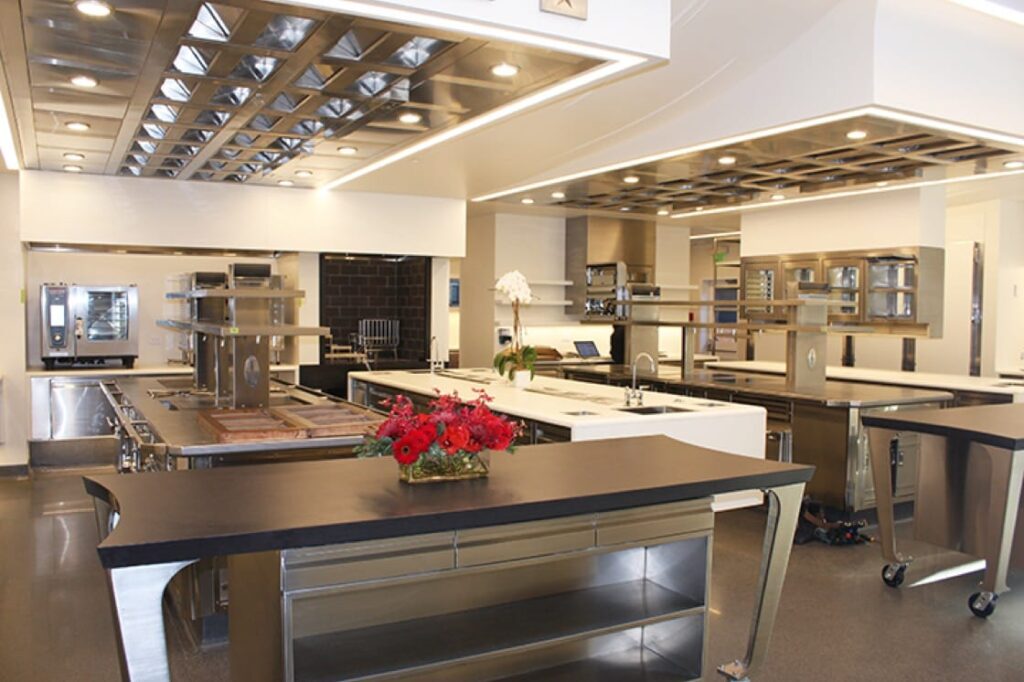
In recent years, there has been a growing effort to make invisible labor more visible. Open kitchens, chef’s tables, and storytelling through menus aim to connect diners with the people behind their meals. Some restaurants are experimenting with service charges, higher wages, and more transparent business models to better reflect the true cost of fine dining.
These changes encourage guests to see dining not just as consumption, but as participation in a complex ecosystem of labor. By acknowledging the work that happens beyond the plate, the experience gains depth and meaning.
Conclusion: Seeing Beyond the Surface
Fine dining is often celebrated for its artistry, creativity, and elegance, but these qualities rest on a foundation of invisible labor. From early morning prep to late-night cleanup, from emotional restraint to logistical coordination, countless forms of work converge to create a seamless experience. Recognizing this labor does not diminish the magic of fine dining; it enriches it. When diners learn to see beyond the plate, they gain a deeper appreciation for the human effort that transforms food into an unforgettable experience.