
People often describe spicy food using a single word: “hot.” Yet anyone who has cooked widely or eaten across cultures knows this word hides a much richer reality. The sharp burn of a chili pepper is not the same experience as the deep, cozy glow of cinnamon or cumin. Both sensations register as intensity, but they act differently on the body, linger in different ways on the palate, and serve very different roles in cooking. The distinction between heat and warmth in spices is one of the most important yet misunderstood concepts in flavor.
Heat is aggressive, immediate, and often confrontational. It announces itself loudly, sometimes overpowering everything else on the plate. Warmth, by contrast, is subtle and cumulative. It builds slowly, spreading rather than striking, and often enhances other flavors instead of competing with them. Understanding this difference is not just useful for chefs; it fundamentally changes how anyone approaches seasoning, recipe balance, and even cultural food traditions.
This distinction exists because spices interact with the human body in different physiological ways. Some stimulate pain receptors, others influence aroma perception, blood flow, or digestion. Over centuries, cuisines around the world have learned to harness these effects intentionally. Heat excites and challenges, while warmth comforts and rounds. Both are powerful tools, but they are not interchangeable.
Exploring the difference between heat and warmth in spices reveals how flavor works beneath the surface. It also explains why some dishes feel fiery and intense, while others feel soothing yet complex. By understanding what these sensations truly are, we gain better control over taste, balance, and emotional impact in food.
What “Heat” Really Means in Spices
When people talk about heat in spices, they are not actually describing flavor in the traditional sense. Heat is a sensory illusion created by chemical compounds that activate pain receptors, particularly those associated with temperature and irritation. Capsaicin, the compound found in chili peppers, is the most famous example. It binds to receptors in the mouth that normally respond to physical heat, tricking the brain into thinking the mouth is burning.
This is why chili heat feels sharp, immediate, and sometimes overwhelming. It does not taste hot in the way soup does; it feels hot. The sensation can intensify even after swallowing, lingering on the tongue and lips. Heat also builds with exposure, meaning each bite can feel stronger than the last. This cumulative effect is one reason spicy food can feel thrilling or punishing depending on tolerance.
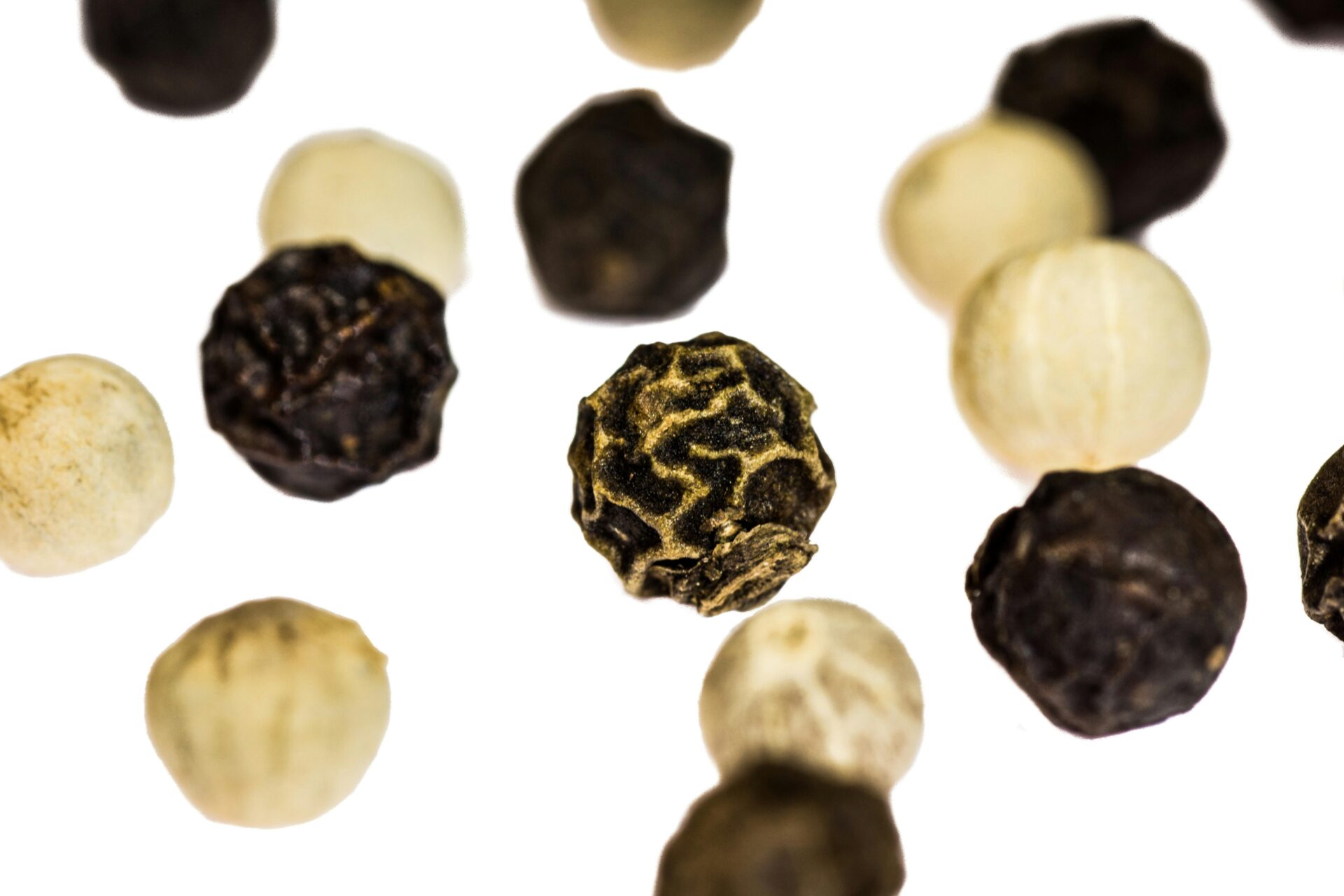
Other spices produce similar effects through different compounds. Black pepper contains piperine, which causes a tingling, prickly heat. Ginger has gingerol, which creates a bright, zesty burn that spreads quickly but fades faster than chili heat. Mustard seeds and wasabi release compounds that travel up the nasal passages, creating an intense, sharp sensation that clears quickly but feels explosive.
Heat tends to dominate flavor perception, often masking subtler notes if used excessively. This is why extremely spicy dishes can taste “flat” beyond the burn. The pain response becomes the primary sensation, drowning out sweetness, acidity, and aroma. Skilled cooks use heat carefully, not to overwhelm, but to punctuate and energize a dish.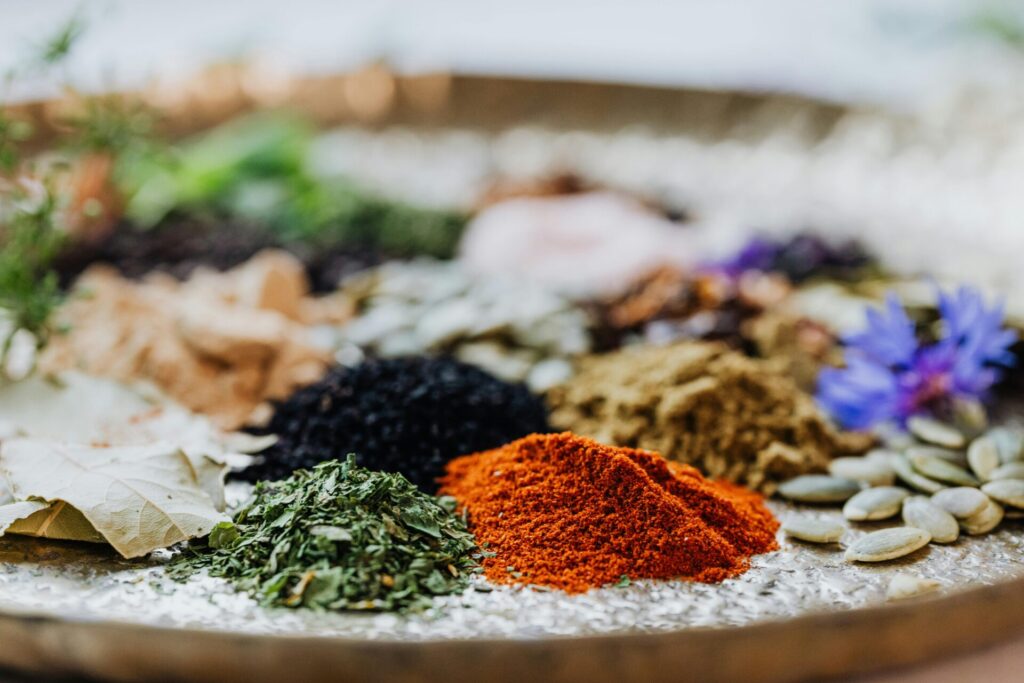
Culturally, heat is often associated with excitement, endurance, and intensity. Many cuisines that rely heavily on chili heat also balance it with fat, acid, or sweetness to prevent fatigue. The goal is not constant aggression, but controlled impact. Understanding heat as a physical response rather than a taste explains why it must be handled differently from other seasonings.
Defining Warmth as a Flavor Experience
Warmth in spices is a far more nuanced and misunderstood sensation. Unlike heat, warmth does not trigger pain receptors. Instead, it influences perception through aroma, mild stimulation, and physiological responses such as increased circulation. Warm spices feel comforting, rounded, and enveloping rather than sharp or aggressive.
Cinnamon, nutmeg, cloves, allspice, cumin, coriander, and cardamom are classic examples of warm spices. Their impact is not immediate. Instead of striking the tongue, they bloom gradually, often starting in the nose and spreading across the palate. Warmth feels like a gentle internal glow, sometimes described as cozy or grounding.
This sensation is largely tied to volatile aromatic compounds. When warm spices are heated during cooking, they release complex aromas that interact with memory and emotion. Warmth is deeply connected to smell, which is why these spices are strongly associated with baking, stews, and slow-cooked dishes. The brain interprets these aromas as nourishing and satisfying, even before tasting.
Warm spices also tend to enhance other flavors rather than compete with them. A pinch of cinnamon can make sweetness feel deeper without making a dish taste overtly spiced. Cumin can make savory dishes feel fuller and more robust without announcing itself loudly. Warmth acts as a background force, shaping the overall flavor landscape rather than dominating it.
Physiologically, warm spices often stimulate digestion and circulation gently. They make food feel more sustaining and complete. This is why many traditional cuisines use warm spices in cold climates or during winter months. The sensation of warmth aligns with the body’s desire for comfort and stability.
Unlike heat, warmth rarely overwhelms. Even when used generously, warm spices tend to blend rather than burn. This makes them ideal for layered cooking, where flavors develop over time. Understanding warmth as an aromatic, emotional, and physical experience clarifies why it plays such a different role from heat in spice usage.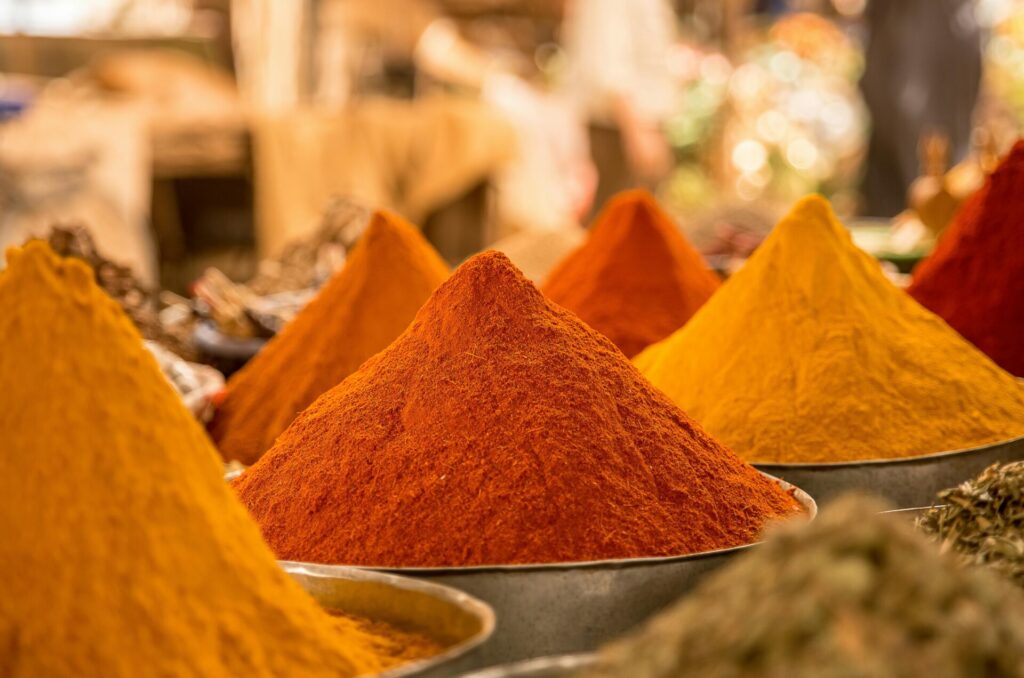
How Heat and Warmth Affect Balance in Cooking
One of the most important practical differences between heat and warmth lies in how they affect balance in a dish. Heat is a foreground element, demanding attention and shaping the eater’s immediate experience. Warmth is a structural element, supporting and enhancing other flavors without stealing focus.
When heat is added to a dish, it often requires counterweights. Fat coats the mouth and dulls pain receptors, sweetness soothes irritation, and acidity cuts through intensity. Without these balancing elements, heat can feel harsh or exhausting. This is why spicy dishes frequently include coconut milk, yogurt, sugar, or citrus. The cook must constantly negotiate with heat to keep it enjoyable.
Warmth, by contrast, rarely needs to be restrained in the same way. Adding cumin or coriander does not require sugar to “tame” it. Instead, warmth naturally harmonizes with fats, proteins, and carbohydrates. Warm spices create cohesion, helping disparate ingredients feel like part of a single, unified flavor.
Timing also matters. Heat can be added late in cooking or even at the table, because its impact is immediate. Warm spices benefit from early inclusion, allowing their aromas to develop and integrate. Toasting spices in oil before adding other ingredients is a classic technique precisely because it amplifies warmth rather than heat.
In layered dishes, warmth often forms the foundation, while heat is used as an accent. Think of a curry where cumin, coriander, and cardamom build depth, while chili adds sparkle and edge. Remove the heat, and the dish may feel gentle but complete. Remove the warmth, and the dish feels sharp, hollow, or one-dimensional.
Understanding this difference empowers cooks to design flavors intentionally. Heat excites, warmth sustains. Knowing when to prioritize one over the other transforms seasoning from guesswork into craft.
Using Heat and Warmth Intentionally
Recognizing the difference between heat and warmth changes how spices are chosen and combined. Instead of asking whether a dish should be “spicy,” the better question becomes what kind of sensation is desired. Do you want intensity or comfort, excitement or depth?
If a dish feels dull, adding heat may wake it up, but it may also flatten its character. Adding warmth, on the other hand, can make flavors feel fuller and more satisfying without aggression. Conversely, if a dish feels heavy or overly rich, a touch of heat can cut through and add clarity.
Intentional use also means understanding restraint. More heat is not always better. Because heat escalates quickly, small changes have big effects. Warm spices allow for more generous application, encouraging experimentation and layering. This is why beginner cooks often succeed more easily with warm spices than with chilies.
Texture and temperature also influence perception. Hot food amplifies heat sensations, while warmth remains stable. A warm-spiced dish served hot feels comforting, while a heat-heavy dish served hot can feel punishing. Cooling elements like yogurt or herbs can shift emphasis from heat toward warmth.
Ultimately, heat and warmth are tools, not goals. Mastery lies in knowing when to deploy each and how they interact. Heat challenges the eater; warmth invites them in. Together, they create some of the most memorable food experiences in the world. Understanding their difference allows cooks and eaters alike to appreciate spice not just as intensity, but as intention.