
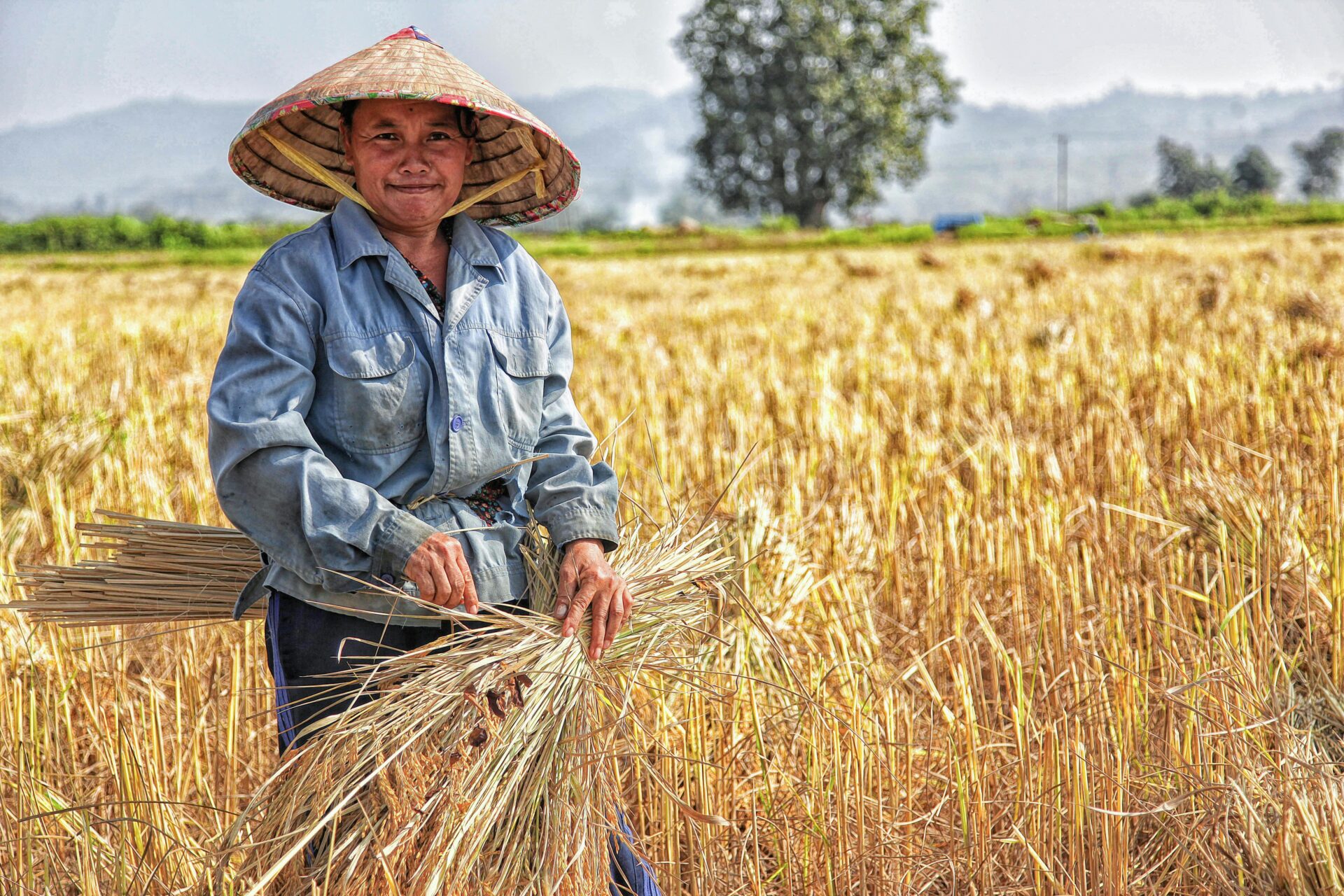
Organic farming has emerged as one of the most prominent agricultural movements of the 21st century, growing steadily in both consumer interest and production scale. Once considered a niche or alternative approach, organic agriculture now represents a significant segment of the global food system, appealing to consumers, policymakers, and environmental advocates alike. This rise is particularly notable in an era dominated by technological advancements and industrialized agriculture, where the prevailing trend often favors efficiency, high yields, and chemical interventions. Organic farming offers a contrasting vision—one that emphasizes natural processes, sustainability, and ecological balance.
At its core, organic farming is defined by the avoidance of synthetic fertilizers, pesticides, and genetically modified organisms (GMOs). Instead, it relies on natural soil management, crop rotation, composting, and biological pest control. These practices aim not only to produce nutritious food but also to maintain and restore the health of ecosystems. While early organic movements often centered around small-scale, labor-intensive farms, technological innovation has begun to expand the feasibility and accessibility of organic agriculture to larger operations, challenging the assumption that high efficiency and ecological farming are mutually exclusive.
Consumer demand has been a critical driver of this growth. Rising awareness of health, environmental sustainability, and food safety has encouraged shoppers to seek products labeled as organic. Market research consistently shows that organic products often command higher prices, reflecting the perceived benefits of reduced chemical exposure and superior nutritional quality. The growth of organic food in supermarkets, farmer’s markets, and specialty stores underscores the increasing mainstream acceptance of these products, and in some regions, organic production has transitioned from a specialty market to a competitive segment of conventional agriculture.
Cultural shifts also play a role. Younger generations, particularly Millennials and Gen Z, prioritize health, sustainability, and environmental responsibility. They are more likely to support local and organic farming initiatives, encouraging brands and retailers to expand organic offerings. This cultural transformation, combined with regulatory frameworks supporting organic certification and labeling, has contributed to a rapid increase in both the visibility and credibility of organic farming worldwide.
At the same time, the intersection of organic farming and technology presents unique opportunities. Advances in soil monitoring, precision agriculture, and automated irrigation have begun to support organic farmers in achieving higher productivity without compromising their ecological principles. These technologies are helping to dispel the myth that organic farming is inherently inefficient, demonstrating that sustainable practices can coexist with data-driven agricultural methods.
Technological Innovations Supporting Organic Practices
Contrary to popular belief, organic farming is not antithetical to technology. In fact, many technological innovations are reshaping the way organic agriculture is conducted, enhancing productivity, sustainability, and efficiency. Traditional organic methods, while effective in maintaining ecological balance, often face challenges such as labor intensity, pest management, and yield limitations. Modern technology is bridging these gaps, allowing organic farmers to scale operations while adhering to environmentally conscious practices.
One of the most significant technological advancements supporting organic farming is precision agriculture. Using satellite imagery, drones, sensors, and GPS mapping, farmers can monitor soil health, moisture levels, and crop growth with unprecedented accuracy. These tools allow organic farmers to optimize irrigation, detect nutrient deficiencies, and apply organic fertilizers more effectively. By reducing waste and improving resource utilization, precision agriculture helps organic farmers maintain sustainability without sacrificing yields, making their operations more economically viable.
Biological pest control has also benefited from technological innovation. Research into natural predators, beneficial insects, and microbial solutions has led to new organic methods for controlling pests without synthetic chemicals. Laboratories can now develop targeted microbial treatments that enhance plant immunity, inhibit pathogens, and promote growth. Combined with monitoring technologies, these solutions allow farmers to apply biological interventions only where necessary, reducing both environmental impact and labor costs.
Automation and mechanization are another game-changer for organic agriculture. Tools such as robotic weeders, automated planting machines, and harvesters adapted for organic systems reduce the dependency on manual labor. This is especially important for large-scale organic farms, where labor shortages can pose significant barriers to expansion. Automation allows organic farmers to maintain their ecological principles while achieving productivity levels comparable to conventional farms, narrowing the historical gap between the two approaches.
Soil management technologies also contribute to the growing success of organic agriculture. Sensors that track pH, moisture, and nutrient levels enable data-driven composting and crop rotation strategies. Organic amendments, like biochar and compost tea, can be precisely applied based on real-time soil analysis, enhancing fertility and microbial activity. This precision ensures that natural soil enrichment methods are used efficiently, reducing the risk of nutrient depletion and promoting long-term soil health.
The synergy between technology and organic principles is further reinforced by digital platforms that facilitate knowledge sharing and market access. Mobile apps, cloud-based farm management systems, and online marketplaces allow organic farmers to connect with buyers, track compliance with certification standards, and access real-time agronomic advice. These platforms empower small-scale and emerging organic farmers, democratizing access to the tools and information needed to succeed in a competitive agricultural landscape.
Environmental and Health Benefits Driving Adoption
The popularity of organic farming is not solely driven by consumer trends or technological possibilities; environmental and health considerations play a crucial role in shaping its expansion. Organic farming is widely regarded as a more sustainable alternative to conventional agriculture, offering benefits that extend beyond individual farms to entire ecosystems. These advantages are compelling both to policymakers and to environmentally conscious consumers.
One of the most significant environmental benefits of organic farming is its contribution to soil health. Conventional farming practices often rely heavily on synthetic fertilizers, which can degrade soil structure, reduce microbial diversity, and increase erosion. In contrast, organic methods emphasize crop rotation, cover cropping, and composting, which improve soil fertility and enhance resilience. Healthy soils sequester carbon, retain moisture more effectively, and support a greater diversity of plant and animal life. By prioritizing natural soil management, organic farming contributes to long-term environmental sustainability and mitigates some of the negative impacts associated with industrial agriculture.
Water management is another key advantage. Organic farms typically use practices that reduce water runoff and pollution. Chemical fertilizers and pesticides in conventional agriculture often leach into waterways, causing eutrophication and harming aquatic ecosystems. Organic practices minimize chemical input, preserve soil structure, and implement water-efficient irrigation systems. The result is a lower ecological footprint, with fewer contaminants reaching rivers, lakes, and groundwater.
Health considerations also influence the growing popularity of organic products. While research on nutritional differences between organic and conventional foods is ongoing, many consumers associate organic farming with reduced exposure to synthetic chemicals and pesticides. This perception drives demand for organic fruits, vegetables, dairy, and meat, particularly among families and individuals concerned about long-term health outcomes. Additionally, organic livestock practices avoid routine use of antibiotics and growth hormones, contributing to animal welfare and potentially reducing antibiotic resistance risks.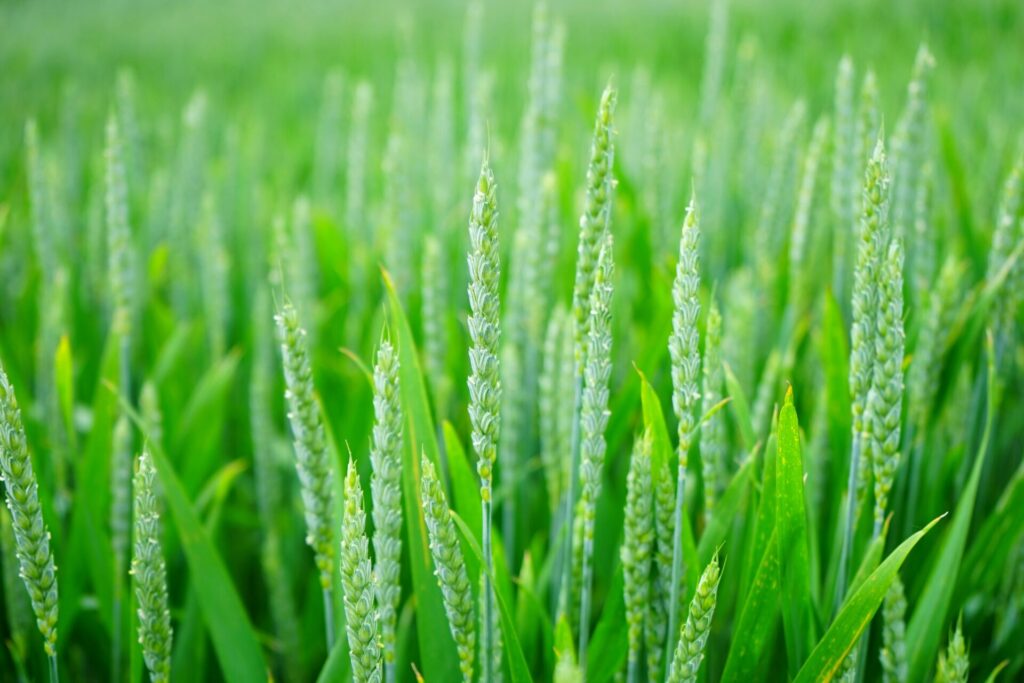
Biodiversity preservation is another notable benefit. Organic farms often feature hedgerows, flower strips, and diverse crop rotations, which support pollinators and beneficial insects. These practices create habitats for wildlife and enhance ecosystem stability. By maintaining a heterogeneous landscape, organic farming promotes ecological resilience and mitigates the negative consequences of monoculture, which dominates much of conventional agriculture.
The cumulative effect of these environmental and health advantages is a compelling rationale for the continued growth of organic farming. As awareness of climate change, chemical exposure, and ecosystem degradation increases, both consumers and governments are more likely to support and incentivize organic practices. The perception that organic farming aligns with broader sustainability goals reinforces its popularity, especially in regions where environmental stewardship is a cultural and political priority.
Conclusion: Organic Farming in a Technological Era
Organic farming is no longer a marginal or idealistic pursuit; it has become a mainstream movement with significant environmental, health, and economic implications. Its growing popularity in a technological era reflects the ability of modern innovations to enhance traditional ecological practices, demonstrating that sustainability and productivity can coexist. Precision agriculture, automation, digital platforms, and biological solutions have made organic farming more efficient, scalable, and viable than ever before, bridging the gap between ecological ideals and economic realities.
Consumer awareness, cultural shifts, environmental imperatives, and supportive policy frameworks are all converging to reinforce organic agriculture’s appeal. Health-conscious shoppers, environmentally responsible policymakers, and forward-thinking producers are creating a feedback loop that continues to expand the reach and influence of organic practices. By prioritizing soil health, biodiversity, and chemical-free production, organic farming aligns with broader societal goals, offering a tangible pathway toward sustainable food systems.
The future of agriculture will likely depend on this synergy between tradition and technology. Organic farming demonstrates that it is possible to maintain ecological integrity while embracing innovation to meet global food demands. As technology continues to evolve and consumer expectations for sustainability and transparency rise, organic farming is poised to play a central role in shaping a healthier, more environmentally conscious, and economically resilient food system. Its growth in a technological era underscores the capacity for agriculture to innovate responsibly, blending the best of modern science with time-tested ecological principles.
