
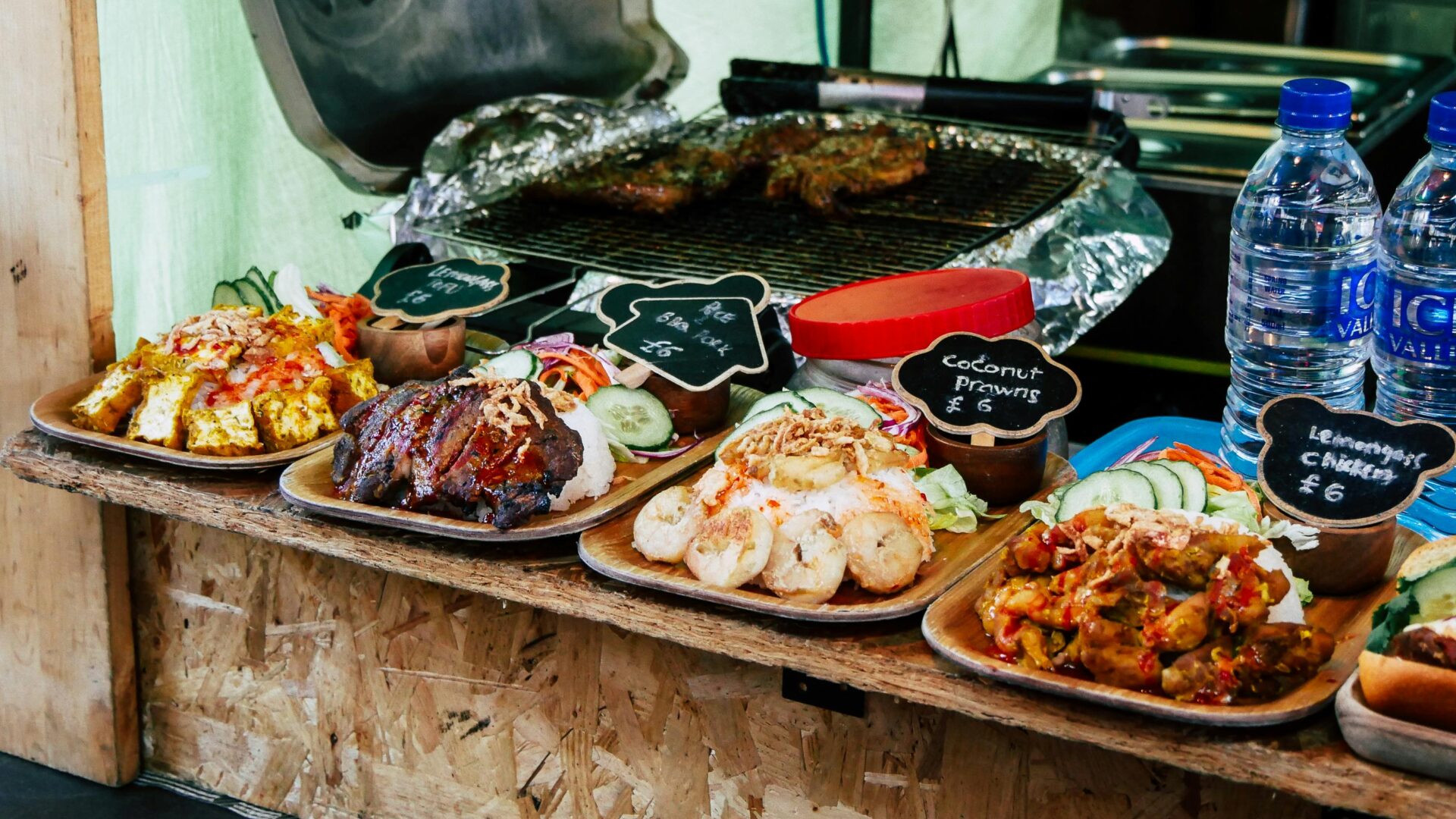
The story of human civilization is inextricably linked to the quest for flavor—the search for exotic spices, herbs, and seasonings that could transform the mundane into the extraordinary. Long before modern globalization, the ancient spice routes were the arteries of this sensory adventure, weaving through continents and cultures, binding distant peoples through trade, exchange, and curiosity. Today, as the world becomes ever more interconnected yet simultaneously seeks authentic, sustainable, and diverse culinary experiences, the spice routes are being reimagined. These ancient paths, once marked by caravans, ships, and merchants, are now inspiring new journeys—of taste, culture, and history. This article explores the origins and evolution of the spice routes, their profound impact on human societies, and how today’s chefs, travelers, and entrepreneurs are rediscovering and reinventing these pathways of flavor for a modern audience.
The Ancient Spice Routes: Origins and Impact
The origins of the spice routes trace back thousands of years, to times when spices such as cinnamon, pepper, cloves, nutmeg, and saffron were coveted commodities—sometimes worth their weight in gold. These spices were not merely culinary additives; they were essential for preserving food, medicinal uses, religious rituals, and symbolizing wealth and power. The ancient spice trade created the first truly global networks, connecting regions from the islands of Southeast Asia to the deserts of the Middle East, the shores of the Mediterranean, and the vast interiors of Asia.
One of the earliest known spice routes extended from the Maluku Islands—also called the Spice Islands, in present-day Indonesia—renowned for producing nutmeg and cloves. These islands were the epicenter of valuable aromatic spices that merchants carried westward across the Indian Ocean. The maritime spice route linked Southeast Asia to India, the Arabian Peninsula, and East Africa, eventually reaching the ports of the Mediterranean. Land routes, such as the famed Silk Road, also played a vital role, with caravans traversing Central Asia, passing through Persia and the Levant, carrying precious spices along with silk, precious metals, and ideas.
Spices were highly prized not only for flavor but also for their rarity and symbolic significance. Peppercorns from India were considered precious treasures in Roman times; cinnamon was valued for incense and embalming in ancient Egypt; and saffron, grown in Persia and parts of Greece, was used for dyeing and medicine. The demand for these goods fueled exploration, cultural exchange, and even conflict. The spice trade motivated the development of new sailing technologies, navigational techniques, and geographic knowledge.
The economic and cultural impact of these routes was enormous. Entire cities and regions flourished as trade hubs—places like Alexandria, Aden, Calicut, Venice, and Malacca became melting pots of languages, religions, and culinary traditions. The exchange of spices facilitated the mingling of cultural practices, culinary techniques, and agricultural innovations. The introduction of spices to Europe transformed medieval cuisine, elevating simple fare into sophisticated dishes, often reserved for nobility and the wealthy elite. Spices were also a significant factor behind the Age of Exploration, as European powers sought direct access to spice sources to bypass middlemen and monopolize trade.
However, the spice routes were perilous. Merchants faced storms, piracy, harsh deserts, political instability, and the challenges of long-distance travel. Despite these obstacles, the value of spices and the cultural prestige they conferred ensured the persistence and growth of these ancient networks for centuries.
The Decline and Transformation of Traditional Spice Routes
The centuries following the height of the classical spice routes saw profound changes. The expansion of European colonial powers fundamentally reshaped the geography and politics of the spice trade. The Portuguese arrival in the late 15th century, spearheaded by explorers like Vasco da Gama, altered the dynamics of spice commerce. By sailing directly to the Maluku Islands and India, European powers bypassed traditional Middle Eastern and Venetian intermediaries, establishing new maritime empires focused on controlling spice-producing regions.
The competition among European powers, including the Portuguese, Dutch, British, and Spanish, led to fierce conflicts and colonization campaigns in Asia, Africa, and the Americas. The Dutch East India Company (VOC), founded in the early 17th century, became a dominant force in monopolizing the spice trade, often resorting to aggressive tactics including military conquest and forced cultivation policies. The traditional merchant networks and city-states that had thrived for centuries were undermined or absorbed by these colonial enterprises.
At the same time, new crops and spices were introduced across continents, creating what historians call the Columbian Exchange. Chili peppers, native to the Americas, spread to Asia and Africa, profoundly altering global cuisines. Vanilla and chocolate, also from the New World, became sought-after flavorings. This diffusion led to the gradual decline in exclusivity of certain traditional spices, even as the demand for flavor-enhancers remained high.
Technological advances also played a role. The industrial revolution brought improvements in transportation—steamships, railways, and telegraph lines—which shortened travel times and lowered costs. The rise of global markets and modern supply chains diminished the importance of localized spice trade hubs, integrating spice commerce into broader commodity systems.
Despite these shifts, spices retained their cultural and culinary significance worldwide. However, the ancient routes themselves as physical pathways faded, replaced by new trade corridors shaped by colonial empires and modern nations. The old networks, which had once fostered vibrant cultural exchanges and symbiotic relationships between peoples, were often disrupted or exploited under colonial regimes.
In the 20th century, industrialization, urbanization, and globalization further transformed spice production and distribution. Mass agriculture and mechanized shipping allowed spices to be grown on plantations at scale, often in monoculture systems. Packaged spices became widely available, but with standardization and industrial processing came a loss of the nuanced regional varieties and artisanal knowledge that once thrived along the spice routes.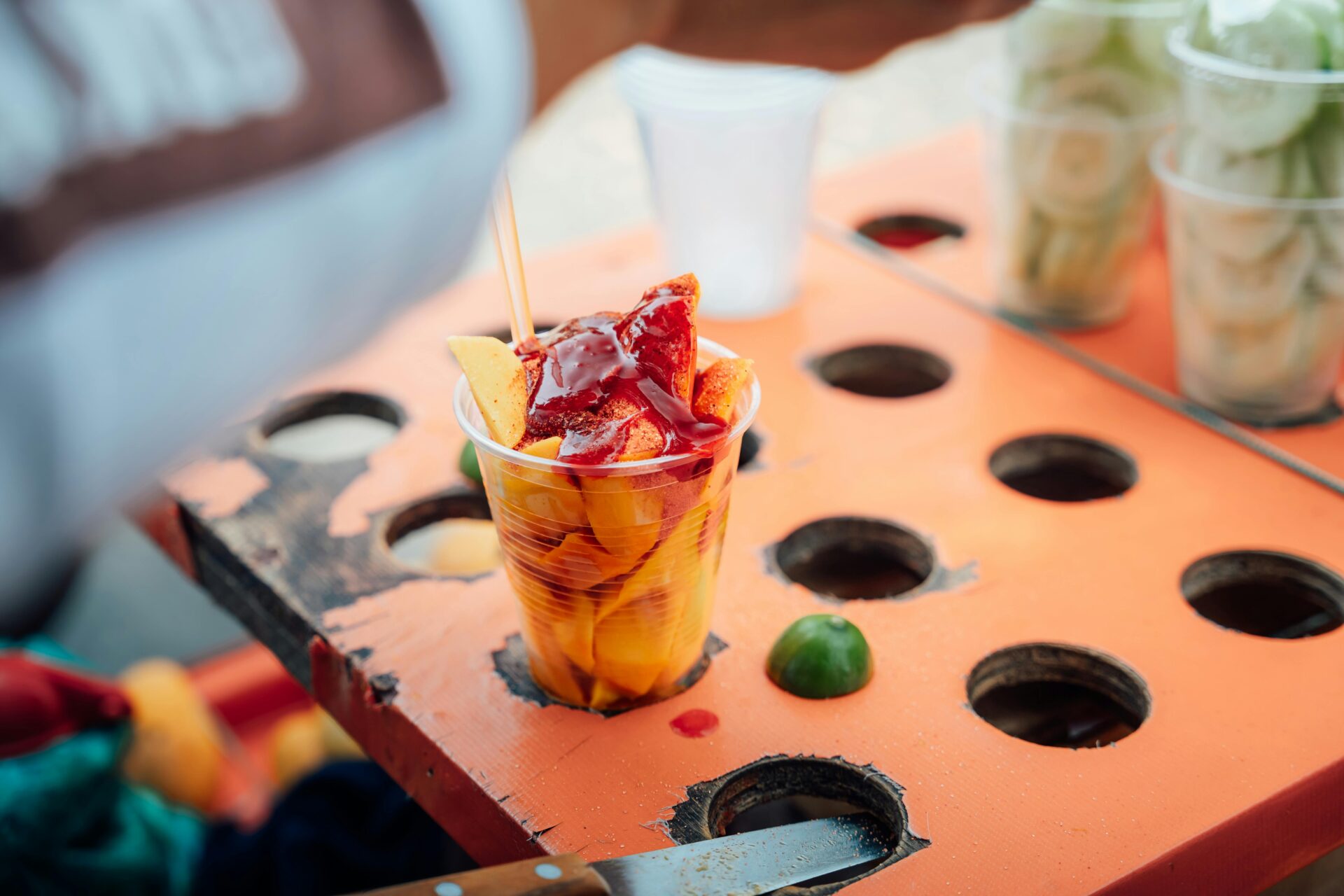
Reimagining Spice Routes in a Modern Context
In the 21st century, there is a growing movement to reimagine the ancient spice routes—not just as commercial pathways, but as conduits for cultural heritage, sustainable practices, and culinary revival. This reimagining occurs in multiple arenas: culinary arts, tourism, agriculture, and global trade ethics.
One key driver is a renewed appreciation for authenticity and regional specificity in spices and flavors. Chefs and food artisans worldwide are seeking out heirloom varieties and traditional processing techniques that had been marginalized by industrialization. The slow food movement, farm-to-table initiatives, and interest in terroir are revitalizing ancient spice cultivation areas and the cultural knowledge attached to them. This trend echoes the historical significance of spice routes as vectors of cultural exchange and culinary innovation.
Tourism focused on spice heritage is also gaining traction. Destinations along the historical spice routes—such as Kerala in India, Zanzibar in Tanzania, Malacca in Malaysia, and the Indonesian Spice Islands—are promoting culinary tourism that invites visitors to experience spice markets, plantations, cooking classes, and festivals celebrating the history of flavor. These initiatives foster economic development while raising awareness of the complex histories tied to spices.
In parallel, there is a growing emphasis on ethical sourcing and sustainability in the global spice market. Modern consumers and companies increasingly demand transparency about origins, labor conditions, and environmental impacts. Fair trade practices, organic farming, biodiversity conservation, and community-led spice production projects seek to address the exploitative legacies of colonial spice trade and support local livelihoods. This ethical reorientation reclaims the spice routes as pathways of equitable exchange rather than domination.
Technological advancements are also playing a role in this reimagining. Digital platforms and blockchain are used to trace the provenance of spices, ensuring authenticity and reducing fraud. Online marketplaces connect small-scale growers directly with consumers, bypassing some traditional middlemen. Scientific research into spice genetics and chemistry helps preserve rare varieties and optimize cultivation methods.
Moreover, the blending of culinary traditions along ancient spice routes inspires creative fusion cuisine and new flavor profiles. Contemporary chefs are drawing on the shared histories embedded in spices to craft dishes that celebrate global interconnectedness. This culinary creativity honors the past while forging new paths for flavor exploration, embodying the original spirit of the spice routes as places of exchange and innovation.

Conclusion
The ancient spice routes were more than mere trade corridors; they were vibrant networks that shaped the economic, cultural, and culinary landscapes of the world. Through perilous journeys and centuries of exchange, spices connected distant civilizations, inspiring exploration, cultural diffusion, and innovation. While colonialism and modernization altered the traditional routes, the essence of their legacy persists.
Today, as we reimagine the spice routes, we tap into a profound history of human ingenuity and connectivity. Whether through culinary revival, ethical trade, sustainable agriculture, or cultural tourism, these ancient paths continue to inspire new generations. The reimagined spice routes remind us that flavor is a powerful connector—a timeless language of trade, tradition, and transformation.
As challenges such as climate change and globalization reshape the spice landscape, the spirit of the ancient routes guides us toward a future where authenticity, sustainability, and cultural respect define the journey. The ancient paths of flavor are alive once again, inviting us to savor not only the spices themselves but the stories, people, and histories they represent. The quest for flavor endures, rich with possibility, innovation, and connection—truly a global journey worth following.
