
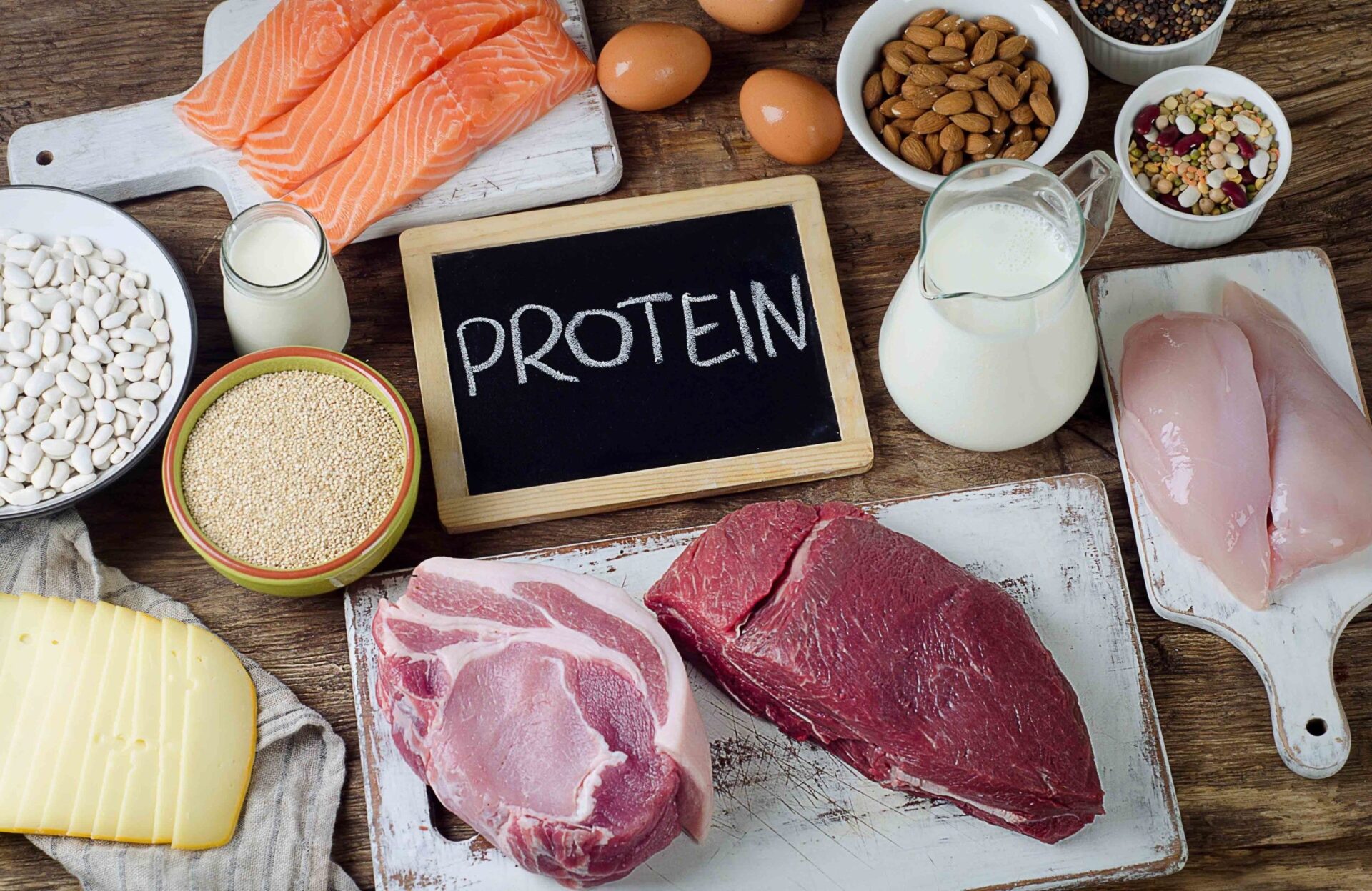
There was a time when protein-centric meals were associated almost exclusively with bodybuilders and elite athletes. Tupperware filled with grilled chicken, steamed broccoli, and brown rice was the gold standard of a meal “for gains”—functional, efficient, and anything but fun. Fast forward to today, and we’re living in a world where protein has gone from fitness subculture to culinary centerpiece, thanks in large part to the meteoric rise of protein restaurants. These dining spots are sprouting up in urban centers, shopping malls, and even airport terminals, offering customizable bowls, lean meats, egg-based creations, protein smoothies, and high-protein desserts to a clientele that ranges from gym-goers to busy professionals and health-conscious foodies.
But this isn’t just a culinary trend—it’s a cultural shift. Protein restaurants are succeeding not only because of what they serve, but because of what they represent. They symbolize a broader change in how society views food, health, identity, and performance. The surge in popularity of these establishments reveals a generation hungry not just for sustenance, but for optimization—eating that fuels not only the body, but ambition, confidence, and control.
The Wellness Economy and Functional Eating
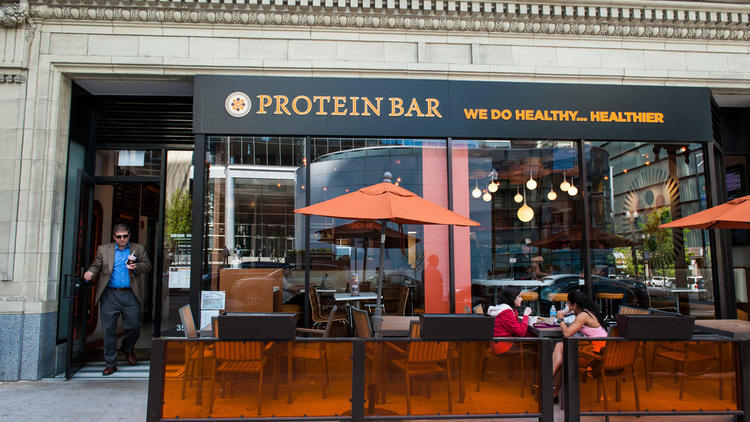
The rise of protein-centric dining is directly tied to the broader boom of the wellness industry, which has grown from a niche market to a trillion-dollar economy over the past two decades. Modern consumers are no longer satisfied with food that simply tastes good; they want food that does something for them. This shift toward functional eating—choosing meals based on performance and nutritional value—has paved the way for protein to become a central figure in everyday diets. This trend is as visible in restaurant branding and décor as it is in menus, with innovations like custom-printed window film helping to reinforce health-focused messaging.
Unlike low-fat or low-carb fads of the past, protein has managed to transcend the world of diets and establish itself as a nutritional cornerstone. Its reputation for helping build muscle, aiding weight loss, and promoting satiety has made it incredibly appealing to anyone looking to improve or maintain their physical health. As people increasingly approach food as medicine or as a tool for self-betterment, protein restaurants have emerged as trusted go-to spots for efficient, macro-balanced meals that align with those values.
The menus at these restaurants typically emphasize lean meats, tofu, legumes, eggs, and protein-enriched grains or supplements. But the real innovation is how these places market their offerings. They don’t just sell food—they sell lifestyle alignment, presenting protein as a core component of success, strength, and productivity. This approach is similar to how health-focused services like hearing aids in Wausau are marketed—not just as products, but as tools for a better life.
Social Media, Fitness Culture, and the Image of Strength
The cultural embrace of protein has been accelerated by the rise of social media fitness influencers, who routinely share images of high-protein meals, workout routines, and body transformations. Platforms like Instagram and TikTok have created a powerful visual association between protein consumption and aesthetic or physical achievement. In this world, what you eat isn’t just a private choice—it’s a performative act, a statement about who you are and what you value.
This has led to a new food culture in which strength and physical vitality are aspirational goals, and protein is the tool to get there. Unlike traditional diet culture, which often revolved around restriction and deprivation, the new wave of muscle-centric wellness is about abundance and empowerment. Protein meals symbolize nourishment, growth, and capacity. They fuel heavy lifts and early morning runs. They align with a mindset of self-mastery, where the body is something to be refined, not punished. Just as people pay attention to what they put in their bodies, many are also becoming more conscious of what they consume in their environment, including seeking solutions like arsenic water filtration in Clarksville, TN, to ensure overall wellness.
Protein restaurants tap into this energy by creating spaces that feel more like training hubs than eateries. With their clean lines, minimal branding, and digital nutrition trackers, these restaurants communicate a very clear message: eating here will make you better. It’s a compelling promise for a generation that grew up equating food with fear and guilt and now seeks instead performance and potential.
Convenience Meets Control
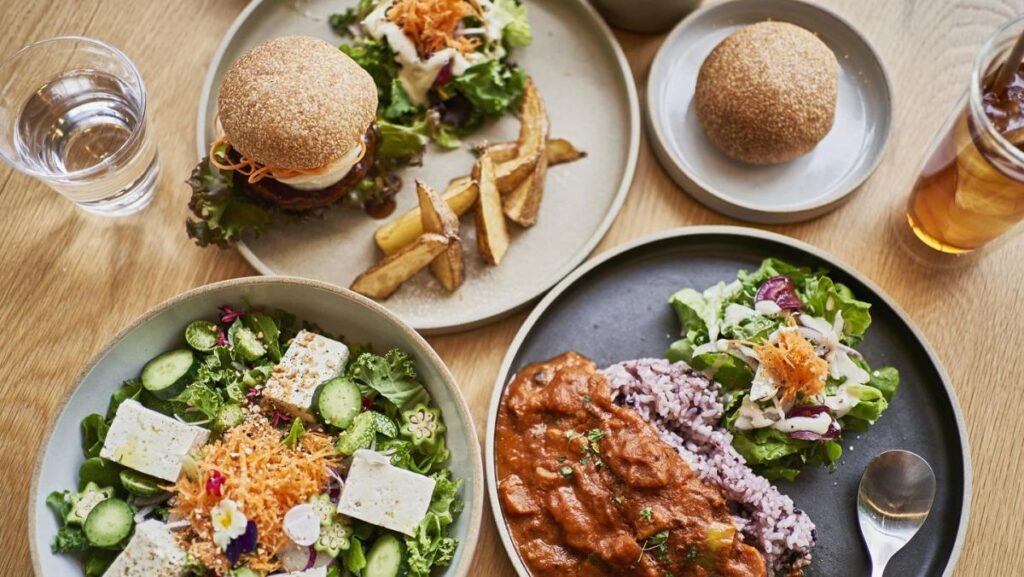
Another factor driving the rise of protein-focused restaurants is the increasing demand for convenient and customizable meals. In a fast-paced world, time has become one of our most precious resources. At the same time, people want more control over what goes into their bodies. Protein restaurants bridge these two needs perfectly. They offer meals that are not only quick but tailored to individual macronutrient goals, dietary restrictions, or fitness plans. Innovative technologies, such as the turbine flow meter in kitchen equipment, help ensure precise ingredient measurements to maintain consistent quality.
Customization is key to their appeal. Customers can typically build their own bowls, selecting their preferred base, protein source, toppings, and sauces. This level of control allows for highly personalized dining experiences, which appeals to both the data-driven gym enthusiast and the busy parent who wants something healthy but satisfying.
Moreover, these restaurants often integrate technology in a way that enhances transparency. Calorie counts, protein grams, and even micronutrient data are frequently displayed on digital menus or apps, making it easier than ever for diners to track and plan their nutrition. This aligns perfectly with the quantified-self movement, where everything from steps walked to hours slept to meals eaten is meticulously monitored. Food, in this context, becomes another metric of progress—a lever to pull on the path to success.
Redefining Masculinity and Femininity Through Food
The protein movement is also reshaping traditional gender associations with food. In the past, salads and “light” meals were marketed to women, while hearty steaks and protein-rich dishes were reserved for men. Today, those boundaries are beginning to blur. Women are increasingly encouraged to eat for strength, not slimness, and men are being introduced to plant-based and more balanced protein sources. Just as nutritional habits are evolving, so too are approaches to health and wellness, with more specialized options like an OCD treatment facility becoming available for targeted care.
Protein restaurants cater to this new narrative by creating inclusive menus and spaces that celebrate strength, regardless of gender. Protein is no longer a symbol of brute force; it’s associated with energy, clarity, recovery, and resilience. As gender roles evolve and the stigma around women lifting weights or men eating plant-based diets fades, these restaurants offer a kind of culinary neutrality that reflects these shifting norms.
For many, eating at a protein restaurant is more than just grabbing a bite—it’s a way of aligning with a new kind of aspirational identity, one that values performance, balance, and self-care over traditional ideals of beauty or size. This evolution is helping dismantle outdated stereotypes and encouraging a more inclusive understanding of what strength looks like.
Sustainability and the Protein Paradox
One of the interesting tensions in the protein boom is its complex relationship with sustainability. On one hand, many protein restaurants are making efforts to reduce their environmental impact by offering plant-based protein options like tempeh, seitan, and legumes. These choices appeal to eco-conscious consumers who are aware of the environmental costs of large-scale meat production. Some modern restaurants also incorporate sustainable architectural elements, such as steel French doors, to enhance energy efficiency and natural lighting.
On the other hand, some of these same restaurants continue to center their menus around animal protein, particularly chicken, turkey, or beef. This creates a paradox where consumers are striving to be health-conscious and performance-driven but may still be supporting food systems that contribute significantly to carbon emissions and deforestation.
The solution may lie in continued innovation. As lab-grown meats, insect protein, and plant-based alternatives improve in quality and availability, protein restaurants will have new opportunities to lead the way in creating sustainable yet performance-optimized meals. Just as mastering a diatonic harmonica requires dedication and skill, so does adapting to new food technologies demand creativity and openness. The restaurants that embrace this shift could not only maintain their relevance but position themselves at the forefront of the next wave in conscious dining.
The Future of Food and Fitness
The growing popularity of protein-focused restaurants represents far more than a dining trend—it’s a reflection of how our culture is evolving. We are entering an era in which food is inseparable from identity, where meals are selected not just for taste but for their ability to enhance, optimize, and empower. The rise of these establishments signals a movement toward intentional eating, where what’s on your plate is part of a larger system of self-improvement and lifestyle design.
As consumers become increasingly educated, health-savvy, and values-driven, the demand for high-performance, ethically sound, and nutritionally intelligent meals will only grow. Protein restaurants are just the beginning. The future may hold concepts that blend biohacking with gastronomy, AI-guided meal personalization, or even wearable tech that interfaces with menu apps to optimize nutritional intake in real time.
What’s clear is that the cultural hunger for protein isn’t just about building muscle. It’s about building lives, habits, and identities around food that reflects who we are and who we want to become. In a world of endless choice and distraction, protein restaurants offer something rare: clarity, direction, and a sense of purpose served in a bowl.
